





More Than Just Heavy Rain
For many Americans, the word “monsoon” conjures images of endless, dramatic downpours. While that’s part of it, a monsoon is a complete seasonal climate shift, bringing not just rain but a blanket of intense humidity. In countries like India, this transformation
is profound. Streets can become rivers, and the air becomes so thick with moisture that it feels like you can drink it. This isn't just an inconvenience; it creates a perfect breeding ground for bacteria, viruses, and fungi. The entire environment changes, and with it, the rules of what is safe to eat and drink. The ground becomes saturated, leading to “waterlogging,” where sewage and freshwater systems can mix, turning a simple glass of water or a fresh vegetable into a potential health hazard.
The Invisible Threat in Food and Water
The onset of the monsoon corresponds with a spike in specific illnesses, often called “monsoon infections.” These aren’t new diseases but familiar ones whose transmission goes into overdrive. Water-borne illnesses like typhoid, cholera, and hepatitis A become rampant as floods contaminate wells, pipes, and public water supplies. Food poisoning cases surge as the high humidity accelerates the spoilage of fresh ingredients and allows bacteria like E. coli and Salmonella to thrive. Mosquito-borne diseases like dengue and malaria also peak, as stagnant water provides ample breeding grounds for them. This creates a high-stakes environment where a seemingly innocent meal can lead to days or weeks of severe illness, forcing a radical, society-wide re-evaluation of the daily menu.
The Monsoon 'Do Not Eat' List
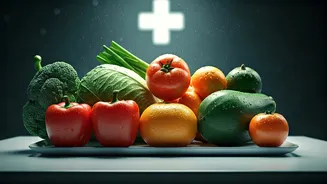
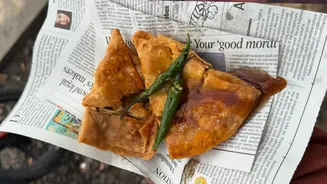
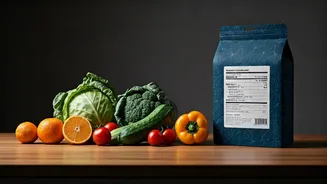
As a direct result of these risks, an informal but widely followed set of dietary rules emerges. Foods that are perfectly healthy for most of the year are suddenly viewed with suspicion. Leafy green vegetables, like spinach and cabbage, are often avoided. They grow low to the ground, exposed to contaminated soil and water, and their many layers make them notoriously difficult to clean thoroughly. Street food, a vibrant and essential part of life in many Asian cities, becomes a gamble. The water used to make chutneys or the ice in a refreshing drink could be contaminated. Similarly, pre-cut fruits and raw salads sold by vendors are seen as risky. Even seafood consumption often drops, as the monsoon season can be the breeding period for fish, and runoff can heavily pollute coastal waters.
So, What's on the Menu Instead?
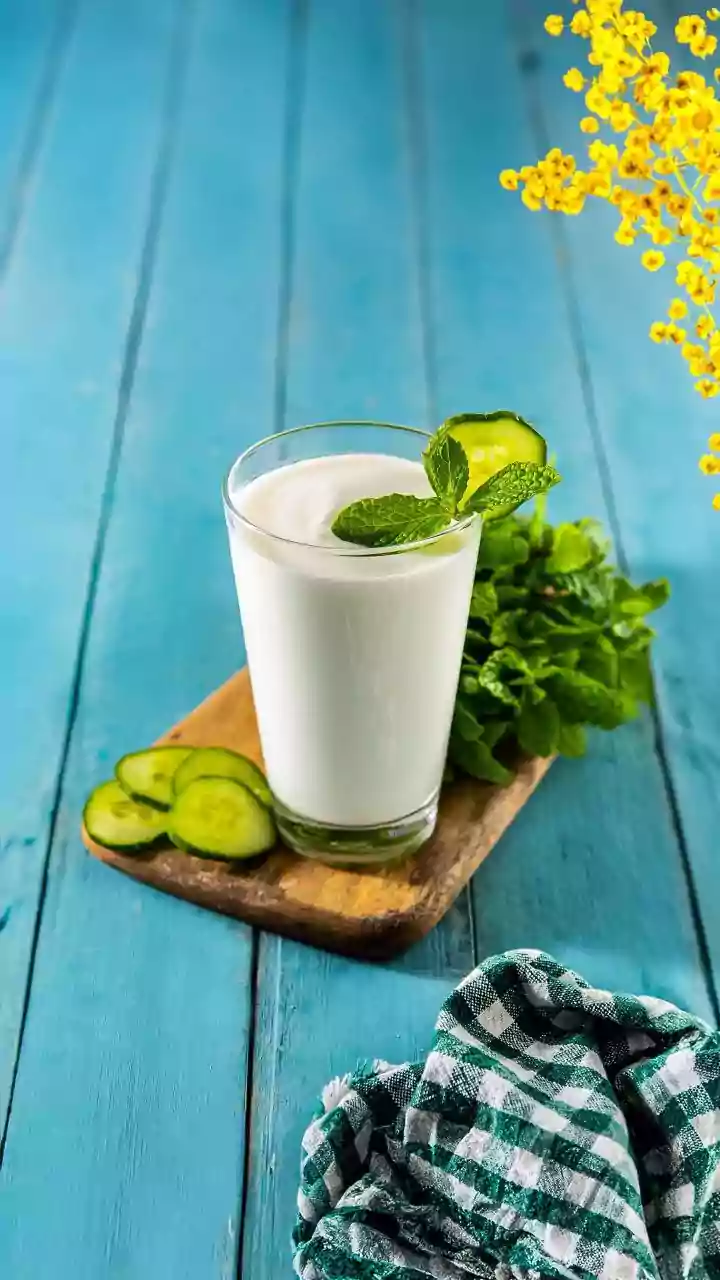
So, what does a monsoon-safe diet look like? The focus shifts from raw and fresh to warm, cooked, and simple. Lightly spiced soups and warm broths become staples, providing hydration and comfort. Easily digestible foods like lentils (dal), rice, and cooked vegetables take center stage. There’s a cultural emphasis on using spices with known antimicrobial or digestive properties, such as turmeric, ginger, and garlic. The guiding principle is simple: heat kills germs. Steaming, boiling, and thorough cooking are favored preparation methods. This culinary pivot isn’t about flavor trends; it’s a time-tested public health strategy passed down through generations, a form of collective wisdom that helps communities navigate the most challenging season of the year.