





The Old Rules of Rain
For generations, the Indian monsoon—a powerful weather system that drenches the subcontinent from roughly June to September—was the antithesis of a vacation. It was a time for staying put. For businesses, it was the low season, marked by canceled flights,
washed-out roads, and potential landslides in hilly regions. For families, it was a period of cozy, indoor confinement, centered around hot tea and fried snacks, not hotel bookings. Traditionally, the travel industry would wind down, with many resorts in popular destinations like Goa or the Himalayan foothills offering deep discounts or closing altogether. The logic was simple: travel was inconvenient, sometimes dangerous, and the promise of a sunny beach holiday was, well, a washout. The primary travel windows were reserved for the cooler, drier winter months or the summer school holidays. The monsoon was for agriculture, for replenishing reservoirs, and for waiting for the sun to return.
Meet the New Monsoon Traveler
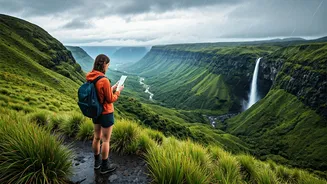
That logic is being washed away by a new wave of travelers: India’s millennials and Gen Z. Armed with smartphones, disposable income, and a different set of priorities, they are actively seeking out the monsoon experience. This isn't the grand, two-week family vacation planned months in advance. Instead, it’s a nimble, often impromptu decision. A promising weekend forecast, a tempting last-minute hotel deal, and a group of friends on a WhatsApp chat can turn a regular Friday into the start of a three-day road trip. Travel industry data backs this up. Booking platforms report a significant spike in searches and reservations for short-haul trips made just 1-3 days before the travel date. The destinations are often within a few hours' drive of major metropolitan hubs like Mumbai, Delhi, or Bangalore. Popular spots include Lonavala and Mahabaleshwar near Mumbai, with their misty hills and gushing waterfalls, or the serene, rain-washed tea plantations of Munnar in the south. These young travelers aren’t just tolerating the rain; they are chasing it, seeking lush green landscapes and a dramatic, romantic atmosphere that the dry season can't offer.
The Tech-Fueled Getaway
This trend wouldn't be possible without technology. The “faster” in “faster breaks” is a direct result of a mature digital travel ecosystem. Gone are the days of calling a travel agent. Today, a new generation is fluent in the language of online travel agencies (OTAs) like MakeMyTrip, dynamic pricing, and instant booking confirmations. Social media, particularly Instagram, plays a huge role. An influencer posting a stunning video of a rain-soaked Goan villa can trigger a cascade of bookings from followers wanting to replicate the experience. These platforms have gamified last-minute travel, pushing alerts for flash sales and “unmissable” weekend deals. This creates a sense of urgency and spontaneity that perfectly aligns with the mindset of a young professional looking to escape the city grind for a couple of days. The entire planning and booking process, from choosing a destination to paying for a homestay, has been compressed from weeks into minutes.
A Barometer of Modern India
This isn’t just a travel trend; it's a telling snapshot of broader shifts in Indian society. First, it reflects the growing economic confidence of India’s youth. A decade or two ago, saving for a house or a wedding was the primary financial goal. Today, for a growing segment of the urban professional class, discretionary spending on experiences like travel is a priority. Second, the rise of “workcations” and flexible work arrangements, accelerated by the pandemic, has untethered many from their office desks. If you can answer emails from a cafe overlooking a rainy valley, why wouldn't you? Finally, it signals a change in attitude. The monsoon is no longer seen as merely an inconvenience to be endured but as an experience to be embraced. This shift from a mindset of scarcity and caution to one of abundance and spontaneity is a hallmark of this generation. They are not just booking trips; they are asserting a new way of living, one that values flexibility, experience, and the ability to find beauty even in a downpour.