

Beyond the Buffet Menu
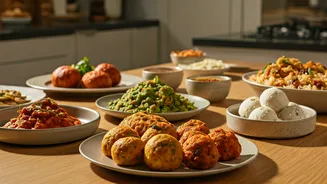
Mention “Indian food,” and many Americans picture a specific set of dishes: butter chicken, saag paneer, and mountains of fluffy naan bread. While delicious, this menu represents a tiny, albeit popular, fraction of the subcontinent's vast culinary landscape.
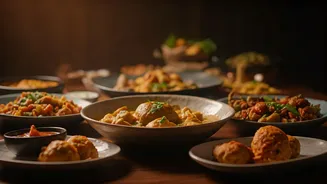
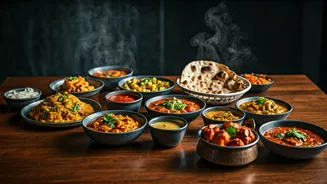
The food that dominates many U.S. Indian restaurant menus is largely derived from Punjabi and Mughlai cuisines—known for being rich, decadent, and perfect for special occasions. This narrow focus has created a widespread, and unfortunate, misconception that Indian food is inherently heavy, greasy, and an indulgent splurge rather than a daily, healthful option. This perception is a far cry from the reality of how most people in India actually eat. The country is a mosaic of culinary traditions, with each region boasting its own distinct ingredients, cooking techniques, and flavor profiles. From the light, coconut-based seafood curries of Kerala to the fermented lentil batters of Gujarat and the vegetable-forward fare of Bengal, the true essence of Indian cooking is diversity, seasonality, and balance.
A Revolution in the Home Kitchen
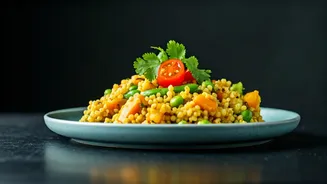
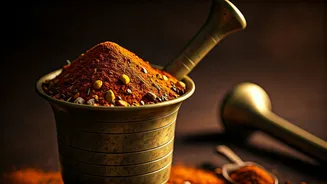
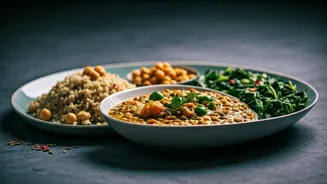
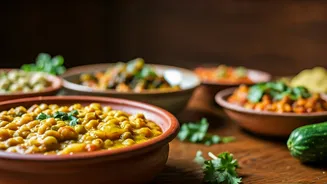
The “new wave” is less a creation of new recipes and more a powerful reclamation of old ones. It’s a movement led by second-generation Indian Americans, food writers, and digital creators who are turning to their parents' and grandparents' kitchens for inspiration. They are pushing back against the idea that their heritage food needs to be “toned down” or Westernized to be palatable. Instead, they are celebrating the complex spice blends, pungent pickles, and everyday vegetable dishes that form the backbone of Indian home cooking. This shift is about honoring the dal-roti-sabzi (lentils, flatbread, vegetables) model that has nourished families for centuries. It highlights techniques like tempering spices in hot oil (tadka) to release their aromatic and medicinal properties, and it emphasizes a plant-forward approach that has always been central to many Indian diets. In sharing these traditions, they are not just cooking; they are telling a richer, more accurate story about their culture.
Redefining 'Healthy' with Ancient Wisdom
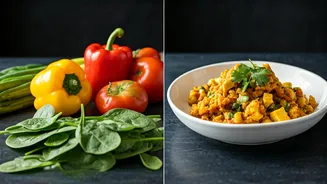
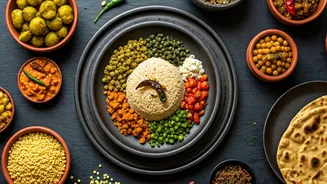
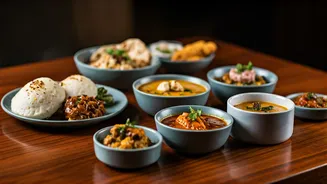
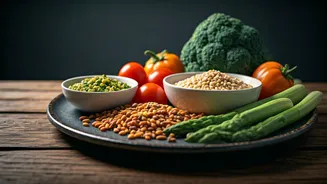
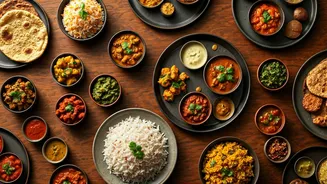
The health benefits of this authentic approach are profound, but they don't fit neatly into modern Western wellness trends. This isn't about counting calories or cutting carbs. Instead, it’s rooted in Ayurvedic principles of balance, gut health, and eating with the seasons. Traditional Indian cooking is packed with ingredients now celebrated as “superfoods” in the West: turmeric for its anti-inflammatory properties, ginger for digestion, and a wide array of lentils and legumes for plant-based protein and fiber. Fermented foods, like idli and dosa, are gut-friendly powerhouses. The very structure of a traditional meal, often served as a thali with small portions of various dishes, encourages variety and portion control. By embracing these time-tested practices, this new wave demonstrates that a healthy diet doesn't require sacrificing flavor or cultural identity. It's about finding wellness within heritage.
The Faces of the New Wave
This movement is made tangible by a vibrant community of culinary leaders. Cookbook authors like Priya Krishna with her book “Indian-ish” and Meera Sodha with “Made in India” have brought accessible, authentic home cooking to a global audience. On social media, creators are demystifying regional recipes, showing their followers how to make everything from complex sambars to simple millet flatbreads. These chefs and writers are not just sharing recipes; they are providing context. They explain the difference between dal and sambar, why one spice blend is used over another, and the cultural significance of certain dishes. They are giving people the tools and the confidence to move beyond the jarred curry paste and explore the incredible depth of Indian cuisine. They are proving that the most authentic food is also often the most nourishing.