




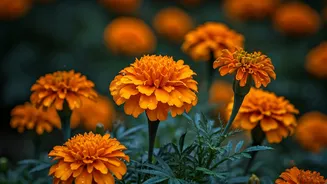


An Age-Old Gardening Secret
For generations, gardeners have sworn by a simple trick: planting marigolds alongside their precious vegetables and herbs. This isn’t just folklore. Many marigold varieties, particularly French marigolds (Tagetes patula), release a chemical called alpha-terthienyl
from their roots. This naturally occurring substance is what scientists call a nematicide, meaning it's toxic to certain microscopic soil pests, most notably root-knot nematodes. These tiny, parasitic worms can wreak havoc on the root systems of plants like tomatoes, peppers, and squash, causing stunted growth and poor yields. By planting marigolds, you’re essentially creating a protective, invisible barrier right in the soil where these pests live and feed.
Which Pests Do They Actually Repel?
While marigolds are champions at combating nematodes, their reputation for repelling every garden foe is a bit exaggerated. It’s important to separate scientific fact from garden gossip. Research strongly supports their effectiveness against root-knot nematodes when planted as a cover crop and tilled into the soil before the main planting season. Their pungent scent is also believed to deter or confuse other pests above ground. Many gardeners report success using them to ward off whiteflies from tomatoes and Mexican bean beetles from beanstalks. However, the common belief that they repel mosquitoes, deer, or rabbits is largely anecdotal. While a dense planting might discourage a casual nibbler, a hungry rabbit will likely hop right over them. Think of them as a specific tool, not a cure-all forcefield.
Choosing Your Marigold Variety
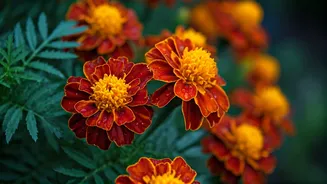
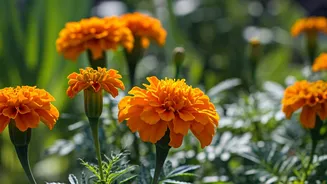
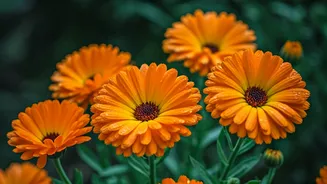
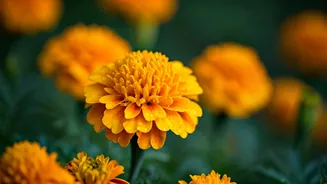
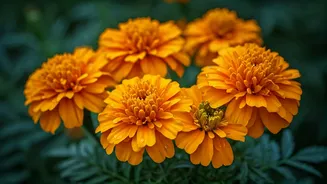
Not all marigolds are created equal when it comes to pest control. For the most potent effect against nematodes, seek out French marigold varieties like ‘Nemagold,’ ‘Queen Sophia,’ or ‘Golden Guardian.’ These types tend to have the highest concentrations of the necessary root chemicals. African marigolds (Tagetes erecta), the taller, pom-pom-like flowers, are less effective against nematodes but are still a beautiful addition and can help deter some flying insects with their strong fragrance. For general-purpose planting, the classic, single-petal French marigolds are a reliable and hardworking choice. They are low-maintenance, drought-tolerant, and bloom continuously from summer until the first frost, providing lasting color and protection.
How to Plant for Maximum Impact
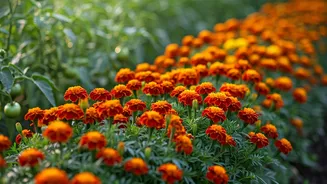
Strategic placement is key to unlocking the marigold’s defensive power. For vegetable gardens, the most common method is interplanting—placing marigolds in between your vegetable rows or dotting them throughout the bed. This creates a confusing landscape of scents and visuals for pests looking for their favorite meal. Planting a solid border of marigolds around the entire perimeter of your garden bed acts as a first line of defense, particularly for crawling insects and soil-based threats. For tomatoes, a classic pairing is to plant one or two marigolds near the base of each tomato plant. In addition to their pest-repelling properties, marigolds in pots on a patio or deck can help reduce the presence of flying insects in your immediate vicinity, all while adding a cheerful pop of color.
More Than Just a Pretty Face
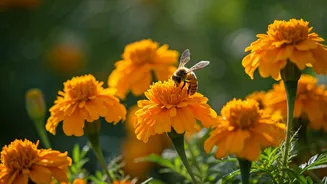
Beyond their pest-fighting abilities, marigolds are simply great garden citizens. Their bright, open-faced blossoms are a magnet for beneficial pollinators like bees and butterflies, which are essential for fruit and vegetable production. They are also incredibly easy to grow from seed, making them a budget-friendly option for filling out garden beds. Their blooms are famously long-lasting, providing continuous pops of gold, orange, and red all season long. By adding marigolds to your garden, you're not just practicing pest control—you're creating a more vibrant, balanced, and resilient ecosystem from the ground up.