



The End of the Itinerary Tyranny
For decades, the mark of a successful vacation was a packed itinerary. You’d race from one landmark to another, camera in hand, collecting experiences like trading cards. The goal was to see everything, but this high-speed approach often left little room
to actually *feel* anything. The result? A generic, exhausting trip that could have happened in any number of cities, punctuated by mediocre tourist-trap meals. Today, a growing number of travelers are consciously rebelling against this “itinerary tyranny.” They’re seeking something deeper than a photo op. In an era of over-curated digital lives, the hunger for authenticity is profound. We don’t just want to see the postcard; we want to understand the place that produced it. This has sparked a fundamental shift in travel priorities, moving away from passive sightseeing and toward active, meaningful engagement. And the most direct path to a place’s soul, many are realizing, is through its food.
Food as the Ultimate Travel Guide
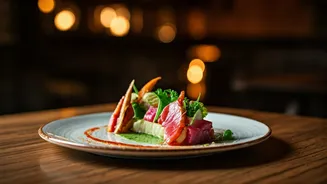
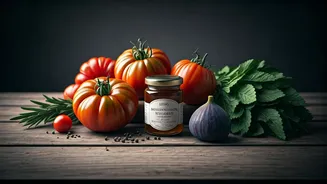
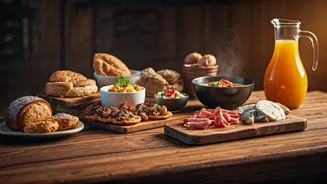
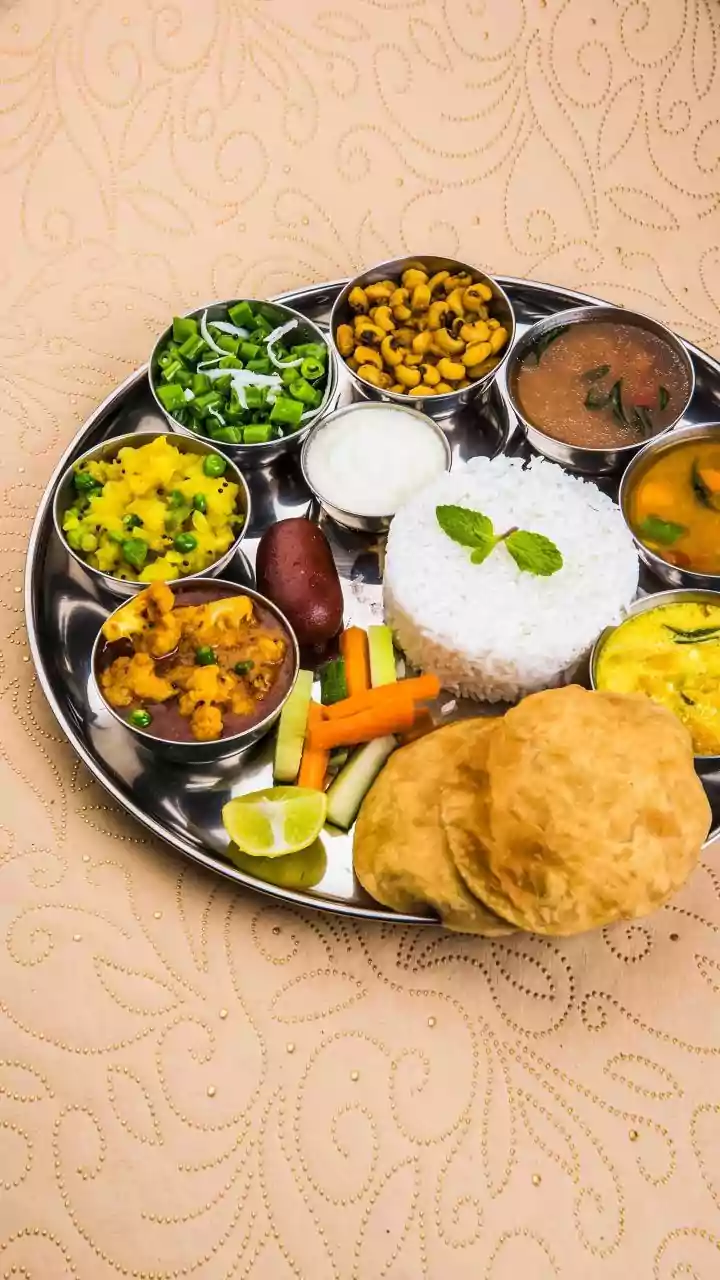
Think of food not as fuel for your trip, but as the trip itself. A single dish can tell a story that a museum plaque cannot. A bowl of gumbo in New Orleans is a lesson in Creole and Cajun history, a reflection of African, French, and Spanish influence simmered over centuries. A slice of deep-dish pizza in Chicago speaks to the city’s working-class roots and its love for hearty, communal meals. A simple piece of cheese from a Vermont dairy farm connects you to the land, the local economy, and the generations of artisans who perfected their craft. Unlike a monument, which you can only observe, food is an interactive experience. It engages all the senses. Following the scent of smoked brisket down a side street in Austin, Texas, or chatting with a baker at a farmers' market in Portland, Maine, creates memories that are visceral and lasting. These are not manufactured tourist moments; they are genuine connections to the rhythm of local life. The best souvenir is no longer a t-shirt, but the memory of a perfect meal and the story behind it.
What a Food-Led Trip Looks Like
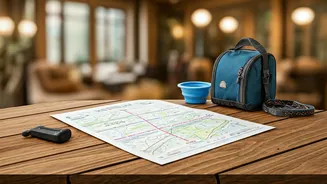
A food-led trip isn’t about chasing Michelin stars (though it certainly can be). It’s about building an itinerary around taste and discovery. Instead of plotting a route between historical markers, you might plan a journey along the Texas BBQ Trail or the Wisconsin Cheese Tour. Your weekend in a new city might revolve around exploring its distinct neighborhood food scenes, from food trucks and diners to hole-in-the-wall spots recommended by locals. This approach prioritizes experience over expense. It might involve taking a cooking class to learn the secrets of regional pasta, spending a morning at a bustling fish market, or touring a local brewery or distillery to meet the makers. The goal is to understand the *why* behind what people eat. This hyper-local focus turns a simple getaway into an immersive cultural deep-dive, transforming a traveler from a mere spectator into an active participant in the local story.
A Shift Accelerated by Connection
While this trend has been building for years, the post-pandemic landscape poured fuel on the fire. After periods of isolation, people emerged with a renewed appreciation for community and tangible experiences. The focus shifted inward, with many Americans exploring their own backyards with fresh eyes. Domestic travel boomed, and with it, a desire to find novelty and culture closer to home. This inward turn revealed a simple truth: you don’t need a passport to have a world-class culinary adventure. The United States is a patchwork of vibrant, diverse food cultures waiting to be explored. From the green chile cheeseburgers of New Mexico to the clam bakes of New England, these food traditions offer a powerful sense of place. Opting for a food-led trip is a vote for supporting small businesses, local farmers, and the unique cultural fabric that makes a destination worth visiting in the first place.