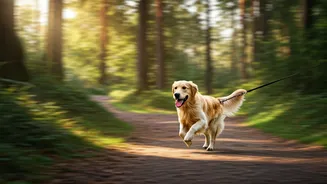




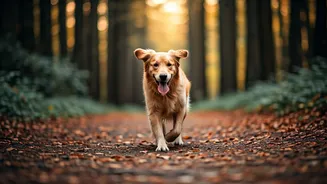
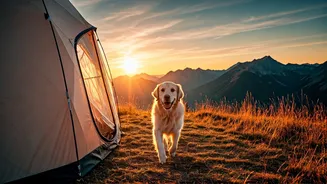

1. Find the Right Trail (For Both of You)
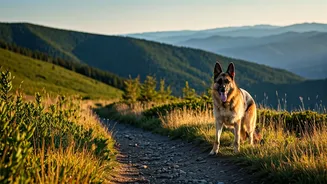
Not all trails are created equal, and even fewer are dog-friendly. Before you go, confirm that dogs are allowed. National Parks, for instance, have very strict rules and often limit dogs to paved areas, while National Forests and State Parks can be more
accommodating. Use apps like AllTrails, which have a “dog-friendly” filter, or check the specific park’s website for their latest regulations. Beyond just permission, consider the trail’s suitability for your dog’s breed, age, and fitness level. A steep, rocky incline that’s a fun challenge for you could be dangerous for a dachshund, while a five-mile loop might be too much for an older pup. Start small and choose well-maintained paths to build confidence.
2. Gear Up Your Furry Boss
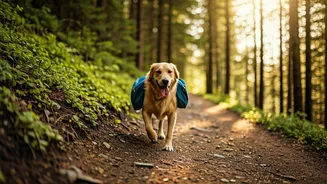
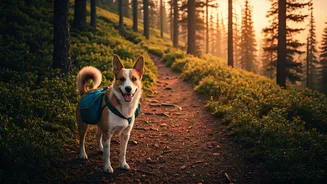
Your dog needs their own gear, and it goes beyond a standard collar and leash. A well-fitted harness is a better choice for hiking, as it distributes pressure across their chest and back, preventing neck strain if they pull or stumble. For water, don’t assume they can just drink from streams, which may contain bacteria. Pack a dedicated collapsible bowl and plenty of fresh water for both of you—a good rule of thumb is to carry at least as much for them as you do for yourself. On rough or hot terrain, dog booties can protect paws from cuts and burns. Finally, a small pet-specific first-aid kit with essentials like antiseptic wipes, gauze, and tweezers is a non-negotiable.
3. Master Trail Etiquette
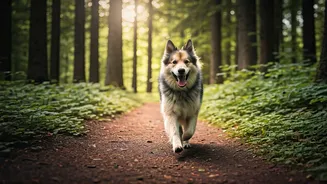
Being a responsible dog owner on the trail ensures these spaces remain open to pets. The cardinal rule is to follow leash laws. Even if your dog has perfect recall, keeping them leashed prevents them from disturbing wildlife, bothering other hikers, or running into hazards. Always yield the trail to others; step to the side and have your dog sit as other hikers, horses, or bikers pass. And the most important rule of all: Leave No Trace. This means packing out everything you pack in, including all dog waste. Tying a full poop bag to a tree to “get it on the way back” is not acceptable—it’s littering. Invest in durable, odor-proof bags to carry waste until you reach a proper trash receptacle.
4. Prioritize Their Health and Safety
Your dog can’t tell you when they’re tired, thirsty, or overheating. It’s your job to monitor them constantly. Watch for signs of distress like excessive panting, lagging behind, or refusing to move. Take frequent breaks in the shade, especially on warm days, and offer water often. Before your trip, ensure your dog is up-to-date on all vaccinations and flea/tick prevention. Be aware of the local wildlife—know what to do if you encounter snakes, bears, or coyotes. After the hike, do a thorough check for ticks, foxtails, and any cuts or scrapes on their paws and body. Your adventure ends only when you’ve confirmed your furry co-pilot is safe and sound back at home.
5. Practice Makes Perfect
Don’t make a grueling, 10-mile mountain ascent your dog’s first hiking experience. Just like humans, dogs need to build up their trail fitness. Start with long walks in your neighborhood, then graduate to shorter, easier local trails. This helps acclimate them to new sights and smells and gets their paws used to different surfaces. It also gives you a chance to see how they behave in a trail environment and test out your gear. These practice runs are the perfect time to reinforce commands like “leave it” and “heel,” which are crucial for a safe and controlled hike. The more prepared you both are, the more fun you'll have when you finally tackle that bucket-list trail together.