




An Ancient Food's Modern Moment
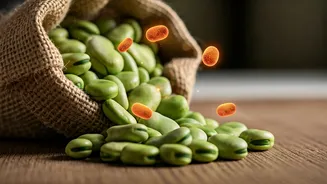
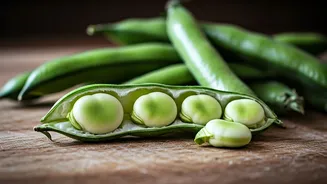
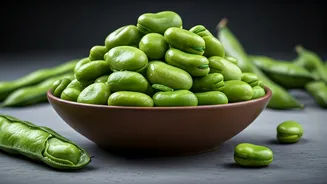
Fava beans, also known as broad beans, are anything but new. They’re one of the oldest cultivated plants in the world, with a history stretching back thousands of years across the Mediterranean and Middle East. For most of that time, they were simply
a hardy, protein-packed staple. But in our modern quest for optimal health, we’re rediscovering what ancient cultures knew intuitively: some foods just work wonders for the body. As the science behind the gut microbiome—the bustling ecosystem of trillions of microbes in our digestive tract—becomes clearer, ingredients like the fava bean are getting a second look. It turns out this unassuming legume is uniquely equipped to support the foundation of our overall wellness: a happy gut.
The Two-for-One Fiber Punch
When nutritionists talk about gut health, they almost always start with fiber. It’s the preferred food for the beneficial bacteria living in your colon. Fava beans are an absolute powerhouse in this department, delivering around 9 grams of fiber per cooked cup. But it’s not just about the quantity; it’s the quality and variety. Fava beans contain a potent mix of both soluble and insoluble fiber. Insoluble fiber, often called “roughage,” helps add bulk to stool, promoting regularity and keeping your digestive system moving smoothly. Think of it as the gentle street sweeper for your colon. Soluble fiber, on the other hand, dissolves in water to form a gel-like substance. This not only helps you feel full and can aid in managing blood sugar and cholesterol, but it’s also the main course for your friendly gut microbes. This dual-action fiber makes fava beans exceptionally effective at supporting digestive mechanics and microbiome health simultaneously.
Feeding Your Inner Garden
This is where fava beans truly shine. The soluble fiber they contain acts as a prebiotic. While probiotics are the beneficial live bacteria found in foods like yogurt, prebiotics are the *food* for those bacteria. By consuming prebiotics, you’re not just temporarily adding good microbes; you’re nourishing the ones you already have, encouraging them to thrive and multiply. When these good bacteria feast on the prebiotic fibers from fava beans, they produce beneficial compounds called short-chain fatty acids (SCFAs), like butyrate. Butyrate is a superstar in the gut world. It serves as the primary energy source for the cells lining your colon, helping to strengthen the gut barrier, reduce inflammation, and maintain a healthy digestive environment. In essence, eating fava beans is like providing premium fertilizer for your internal garden, helping the good stuff grow and crowd out the bad.
A Necessary Note of Caution
While fava beans are a boon for most, there's an important exception to be aware of: favism. This is a condition linked to a genetic disorder called G6PD (glucose-6-phosphate dehydrogenase) deficiency. For individuals with this deficiency, consuming fava beans can trigger a severe hemolytic reaction, where red blood cells break down rapidly. G6PD deficiency is most common in people of Mediterranean, African, and Southeast Asian descent. If you have a family history of this condition or are from a high-risk population and have never eaten fava beans, it’s wise to consult a doctor. For the vast majority of the population, however, fava beans are perfectly safe and incredibly healthy.
Easy Ways to Enjoy Fava Beans
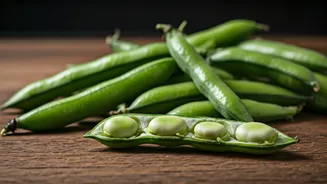
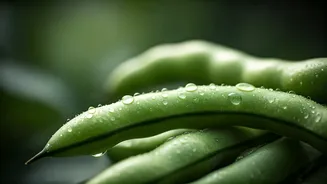
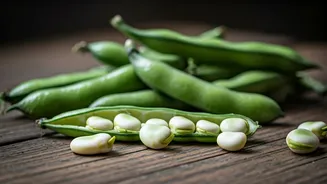
Ready to give your gut a fava-powered boost? Incorporating them into your diet is simple. Fresh fava beans, available in the spring, need to be removed from their large pods and then from their individual waxy skins (a quick blanch in boiling water makes this easy). Once prepped, they are delicious when lightly sautéed with olive oil, mint, and a little salt, or tossed into salads and pasta dishes. For year-round convenience, look for frozen or canned fava beans. Frozen beans are often already shelled and just need to be cooked. Canned versions are ready to go—just be sure to rinse them to reduce sodium. They are fantastic when mashed into a dip with lemon and garlic (a simpler alternative to hummus), blended into soups for a creamy texture, or added to hearty stews for a boost of protein and fiber.