








A Summit in the Clouds
When India hosted the G20 presidency, it made a deliberate choice to move events beyond the usual megacities of Delhi and Mumbai. This brought a series of high-profile business and technology meetings to Gangtok, the capital of the tiny state of Sikkim.
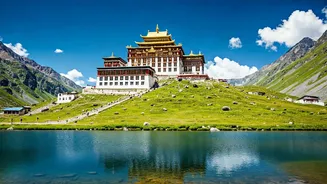
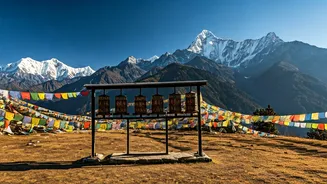
For the foreign delegates who flew in, the experience was a revelation. Surrounded by breathtaking views of snow-capped peaks, they weren't just attending another conference in a generic hotel ballroom. They were immersed in a unique cultural and ecological landscape. The B20 (Business 20) conference, for instance, focused on opportunities in tourism, hospitality, and pharmaceuticals. The message was clear: this region isn't a remote backwater; it’s an untapped frontier for sustainable investment. Reports from the ground highlighted the seamless logistics, the warm hospitality, and the palpable sense of pride from locals. Gangtok didn’t just host an event; it made a case. It proved that a city of its size and location could perform on a global stage, delivering an experience that was more memorable and impactful than one in a sprawling metropolis.
Understanding the 'Other' India
For most Westerners, “India” conjures images of the Taj Mahal, the deserts of Rajasthan, or the bustling streets of Mumbai. Northeast India confounds those expectations. Comprising eight states—including Sikkim, Assam, Nagaland, and Manipur—the region is connected to the rest of the country by a narrow strip of land called the Siliguri Corridor, often dubbed the “chicken’s neck.” This geographical separation has fostered a profound cultural distinction. The region is a stunning mosaic of hundreds of indigenous communities and languages, with cultural and ethnic ties that look as much toward Southeast Asia and Tibet as they do toward mainland India. Its landscapes are dominated by lush green hills, powerful rivers like the Brahmaputra, and dense forests, not the arid plains that characterize much of the country. This very distinctiveness, however, has also led to it being misunderstood and often overlooked, both within India and internationally. For decades, it was known more for its political insurgencies and remoteness than its vibrant potential.
An Untapped Economic and Cultural Hub
The push to host events in Gangtok is part of a larger Indian government strategy called the "Act East" policy, aimed at transforming the region from an isolated periphery into a strategic hub connecting India with Southeast Asia. The potential is immense. Sikkim, for example, is India’s first and only fully organic state, offering a model for sustainable agriculture that the world is desperate to learn from. Assam is home to world-famous tea gardens and a burgeoning wildlife tourism scene centered on the one-horned rhinoceros. Nagaland’s Hornbill Festival, a dazzling showcase of indigenous tribal culture, is already a legend among intrepid travelers. The entire region offers the kind of authentic, off-the-beaten-path travel experience that modern tourists crave. Beyond tourism, there are opportunities in hydropower, information technology, and handicrafts. By putting a spotlight on these places, even for a few days, events like the G20 summit begin to rewrite the old narrative of neglect and replace it with one of opportunity and growth.
Why the Spotlight Matters
Giving the Northeast a bigger spotlight isn't just about attracting a few more tourists or investors. It's about changing perceptions on a fundamental level. For years, the region’s story has been told by others, often through the narrow lens of conflict or exoticism. Successful, well-publicized events allow the region to define itself on its own terms: as a place of innovation, natural beauty, and immense human capital. When international business leaders leave Gangtok impressed, they become ambassadors for the region’s potential. When a global audience sees images of a modern, forward-looking summit set against a Himalayan backdrop, it chips away at outdated stereotypes. This visibility creates a virtuous cycle: more attention leads to better infrastructure, which leads to more investment, which creates more opportunities for the local population, further integrating them into the national and global economy. Gangtok proved the model works.