




Gangtok: The Himalayan Balcony
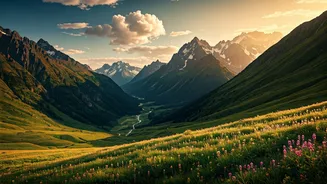
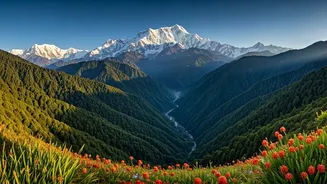
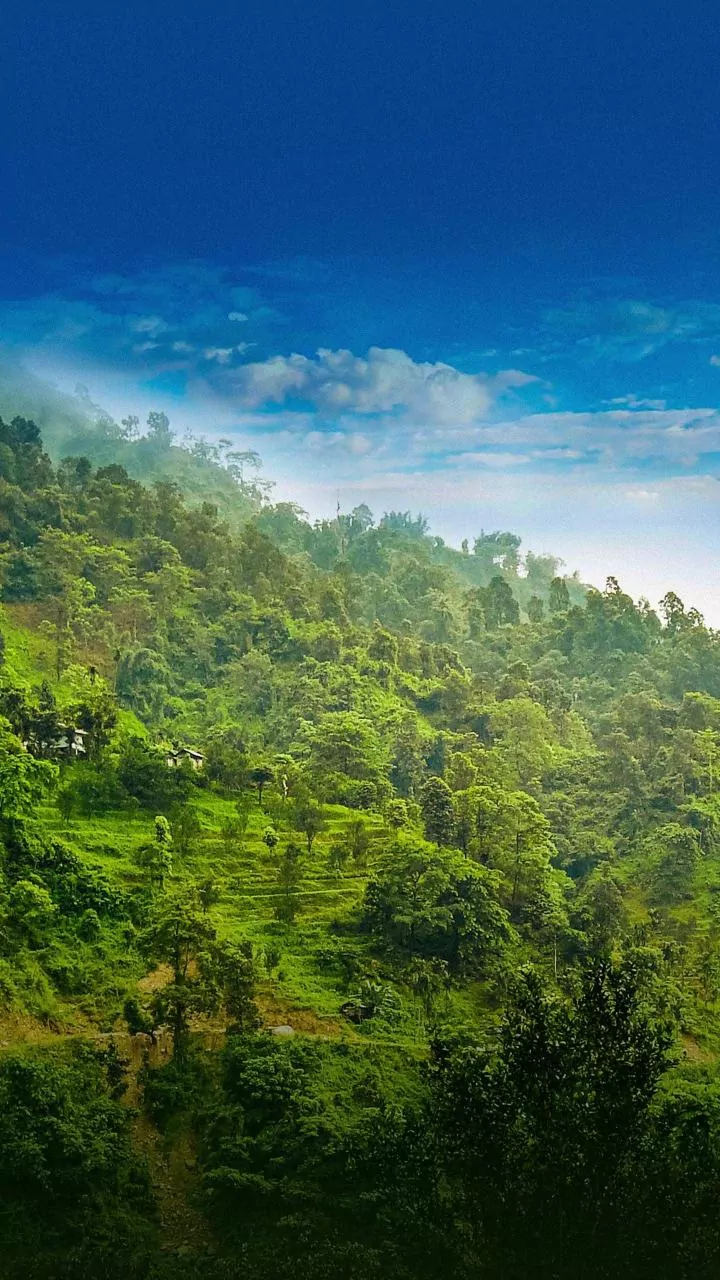
Perched on a steep mountainside, Gangtok is a city unlike any other. It’s a place where bustling markets give way to serene, panoramic views of Kanchenjunga, the world's third-highest peak. For most American travelers, it’s a name that barely registers,
but for those in the know, it’s the starting point for an unforgettable journey. Forget the chaotic symphonies of Delhi or Mumbai; Gangtok operates on a different frequency. This remarkably clean and orderly city is built for walkers, with a pedestrian-only main drag, MG Marg, where locals and travelers mingle over cups of hot tea, surrounded by shops selling intricate Tibetan handicrafts. It’s the perfect base camp to acclimate to the altitude and the culture before venturing into the mystical landscapes that lie just beyond the city limits. This isn’t just a stopover; it’s an introduction to the unique character of Sikkim, a state that was a sovereign monarchy until 1975 and still feels like a world apart.
The Spiritual Heartbeat: Rumtek Monastery
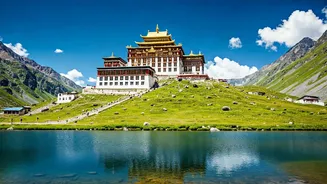
A short, scenic drive from Gangtok lies Rumtek Monastery, one of the most significant sites for Tibetan Buddhism outside of Tibet itself. As you approach, the first thing you’ll notice is the sheer scale and vibrant color of the complex. Modeled after the Tsurphu Monastery in Tibet, Rumtek is a working monastery, a home for monks, and a university for Buddhist studies. Stepping into the main courtyard feels like entering another era. The air hums with a quiet energy, punctuated by the deep, resonant chanting from the prayer hall or the sudden laughter of young monks in crimson robes playing in a corner. The walls are covered in exquisite murals depicting Buddhist deities and mandalas, their colors rich and their details mesmerizing. It’s here that the spiritual essence of Sikkim becomes tangible. You don’t have to be a Buddhist to feel the profound sense of peace and history that permeates the air. It’s a powerful reminder that this region’s soul is deeply connected to its faith.
A Journey to the Clouds: Tsomgo Lake
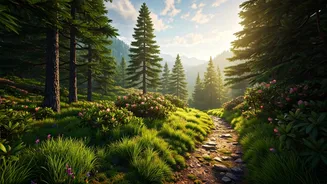
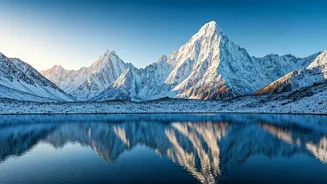
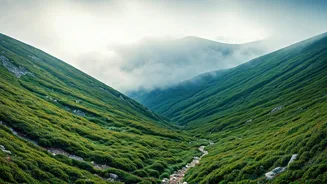
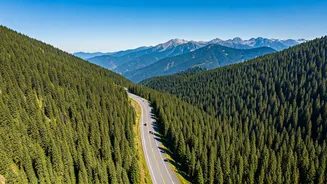
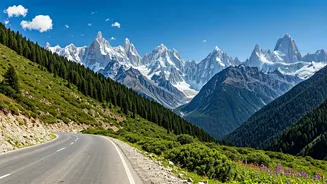
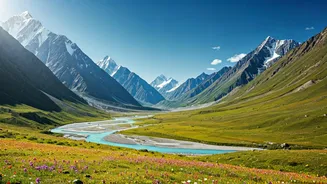
The drive to Tsomgo Lake (also known as Changu Lake) is an adventure in itself. As your vehicle climbs the winding mountain roads out of Gangtok, the landscape transforms dramatically. Lush forests give way to windswept alpine terrain, with prayer flags fluttering violently in the wind, sending their blessings across the valleys. At an altitude of 12,313 feet, Tsomgo is a glacial lake held sacred by the Sikkimese people. Its surface, a stunning shade of emerald-blue, reflects the surrounding snow-dusted peaks. In winter, it freezes over completely, creating a stark, white wonderland. You might find colorfully decorated yaks waiting patiently for a photo op, their bells jingling softly in the thin, crisp air. The experience is humbling. Standing on the shore, you feel the immense scale of the Himalayas and the raw, untamed power of nature. This is where the headline’s promise is fulfilled—a place where the earth seems to touch the heavens, offering a different kind of spiritual encounter.
Where Faith and Nature Intertwine
The magic of a Gangtok outing lies in this seamless blend of culture and nature. The experience isn’t about ticking off a monastery and then a lake; it’s about seeing how they are part of the same sacred tapestry. You see it at the smaller Enchey Monastery, perched high above Gangtok, which legend says was blessed by a flying tantric master. You feel it while visiting the Namgyal Institute of Tibetology, a treasure trove of rare Buddhist statues, scrolls, and thangkas that seeks to preserve a rich cultural heritage against a backdrop of breathtaking mountains. In Sikkim, a prayer wheel might be turned by a mountain stream, and a sacred cave might be hidden behind a waterfall. The entire landscape is considered holy ground, and every outing, whether to a monastery or a high-altitude lake, feels like a pilgrimage of sorts. This isn't just sightseeing; it's a deep dive into a land where the divine is not confined to temple walls but is present in every rock, stream, and mountain peak.