






Aam Panna: The Tangy Green Mango Cooler
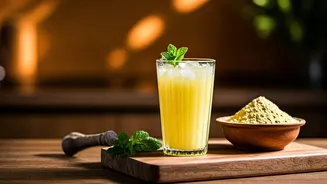
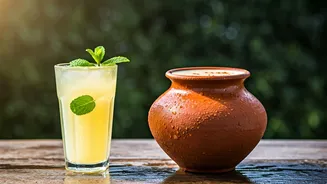
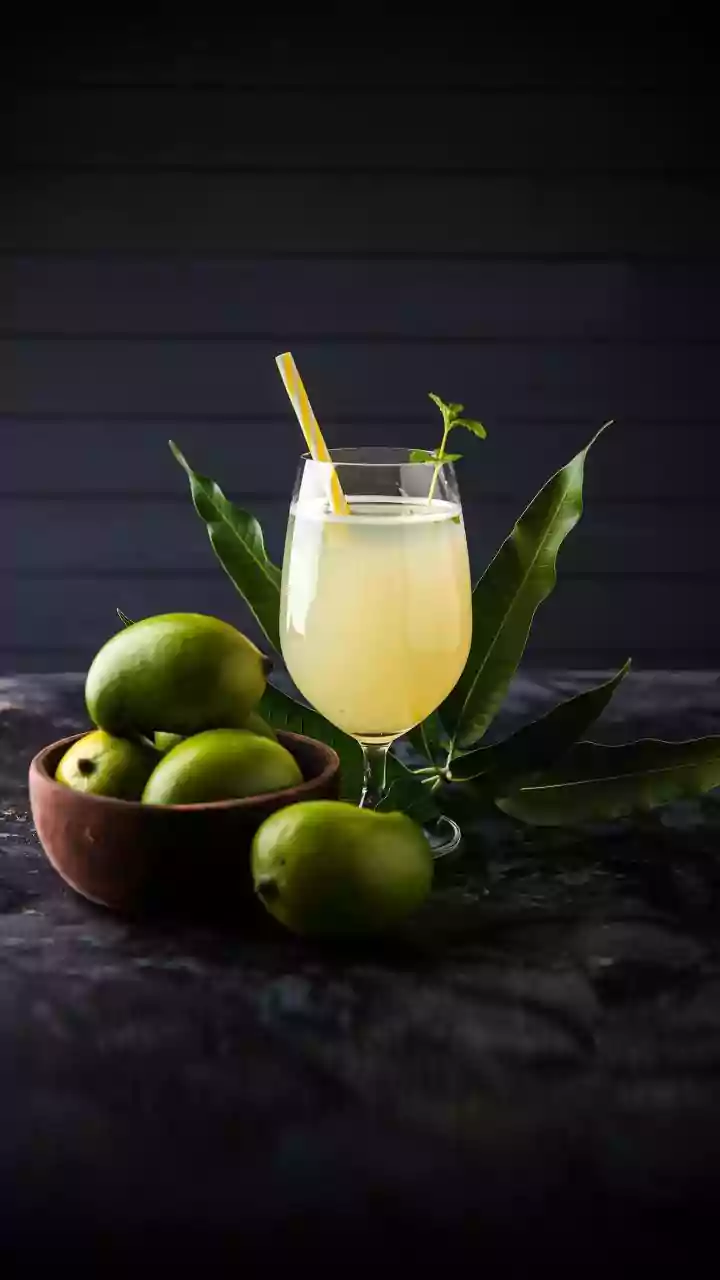
Forget sweet mango lassi; Aam Panna is its sharp, savory cousin and the undisputed king of Indian summer drinks. Made from boiled and pulped raw, green mangoes, it’s a masterful blend of tart, sweet, and salty flavors, often spiced with roasted cumin,
black salt, and fresh mint. The taste is electrifying—a tangy punch that instantly wakes up your palate and quenches thirst like nothing else. Traditionally, it’s prized for its ability to prevent heat stroke and replenish sodium and iron lost through sweat. Its comeback isn’t just about nostalgia; it’s a rediscovery of a natural, functional beverage that’s far more complex and satisfying than a can of lemonade. In a world moving away from processed sugars, Aam Panna feels both ancient and incredibly modern.
Sattu Sherbet: The Superfood Protein Shake
Imagine a rustic, all-natural protein shake that has powered laborers and travelers through scorching afternoons for centuries. That’s Sattu. It’s a flour made from roasted gram (or chickpeas), and when mixed with chilled water, it becomes a nourishing, sludgy-in-a-good-way beverage called Sattu Sherbet. It’s prepared in two ways: sweet (with jaggery or sugar) or savory (with lemon juice, black salt, and roasted cumin). The savory version is the more common thirst-quencher. The flavor is earthy, nutty, and deeply satisfying. Rich in protein, fiber, and micronutrients, Sattu is a complete meal in a glass. As Americans embrace plant-based proteins and whole foods, Sattu is being hailed as a humble superfood, proving that the most effective nutritional trends are often the ones that have been hiding in plain sight all along.
Kokum Sherbet: The Ruby Red Refresher
If you’ve never heard of kokum, you’re not alone. This small, dark purple fruit from India’s western coast is a culinary gem. When its dried rind is soaked in water, it releases a beautiful ruby-red color and a unique, tart flavor that’s not quite cranberry, not quite pomegranate, but something wonderfully in between. Kokum Sherbet is a simple drink of this infused water, lightly sweetened and sometimes spiced with a hint of cumin. It’s incredibly refreshing, with a distinct sourness that cuts through the heat. Traditionally, it’s known as a digestive aid and a powerful body coolant. Its comeback is driven by its striking color, sophisticated flavor profile, and antioxidant properties, making it a chic, non-alcoholic alternative for the adventurous palate.
Bel Sherbet: The Medicinal Wood Apple Elixir
The Bel fruit, or wood apple, looks intimidating. With a hard, woody exterior, it doesn’t exactly scream ‘refreshing drink.’ But break it open, and you’ll find a fragrant, fibrous pulp that makes one of India’s most revered summer coolers. Bel Sherbet is made by soaking the pulp in water and straining it to create a thick, aromatic juice. The flavor is unique—a mix of sweet and tangy, with hints of tamarind and a slightly floral aroma. For centuries, it has been a go-to remedy for digestive issues and a natural coolant. As interest in gut health and traditional Ayurvedic wellness grows in the U.S., Bel is finding a new audience. It represents a deeper dive into functional beverages, where flavor and genuine therapeutic benefit go hand in hand.
Jaljeera: The Spicy, Savory Hydrator
For those who think drinks should always be sweet, Jaljeera is here to change your mind. The name translates to “cumin water,” but that’s an understatement. This punchy, savory drink is a powerful concoction of water, cumin, ginger, black pepper, mint, and a healthy dose of tangy black salt (kala namak), which gives it a distinctive, slightly sulfuric flavor. It’s an appetizer, a digestive aid, and a formidable thirst-quencher all in one. Served ice-cold, often with tiny, crispy fried dough balls (boondi) floating on top, Jaljeera delivers an invigorating jolt. It’s the antithesis of a flat, sugary soft drink. Its resurgence is part of a broader trend toward complex, savory flavors in beverages, proving that a drink doesn't have to be sweet to be incredibly refreshing.