








Beyond the Buzzword: What Is 'Gut-Friendly'?
Before we get to the delicious part, let’s quickly demystify the term. When people talk about “gut health,” they’re referring to the balance of microorganisms living in your digestive tract. This community, known as the gut microbiome, is made up of trillions
of bacteria, fungi, and other microbes. Think of it as a bustling internal ecosystem that plays a huge role in your overall wellness. A healthy gut is linked to more than just smooth digestion. Research suggests it can influence your immune system, mood, and even skin health. A “gut-friendly” diet, therefore, isn’t a complicated or restrictive regimen. It’s simply an approach to eating that focuses on nourishing the beneficial microbes in this ecosystem, helping them thrive so they can better support you.
Why Summer Is the Perfect Season
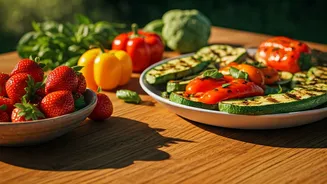
While you can focus on gut health any time of year, summer provides a natural and effortless entry point. Farmers' markets are overflowing with a diverse array of fresh fruits and vegetables, which are foundational to a healthy gut. The season’s heat encourages us to gravitate toward lighter, cooler meals like big salads, yogurt bowls, and grilled proteins—all of which align perfectly with this way of eating.
Furthermore, summer is the season of the barbecue and the potluck, social settings where a colorful, fiber-rich side dish or a tangy, fermented condiment can truly shine. Instead of feeling like a chore, incorporating these foods into your summer routine feels like a celebration of the season’s bounty.
The Power Duo: Probiotics and Prebiotics
To build a gut-friendly plate, it helps to understand two key players: probiotics and prebiotics. Think of them as the 'seeds' and 'fertilizer' for your internal garden.
**Probiotics** are the good-guy bacteria themselves. You can find them in fermented foods, which are having a major culinary moment. Summer-friendly sources include:
- **Greek Yogurt & Kefir:** Use them as a base for smoothies, a creamy foundation for breakfast bowls with berries, or as a cooling sauce for grilled meats (think tzatziki).
- **Kombucha:** This fizzy, fermented tea is a refreshing alternative to soda on a hot day.
- **Kimchi & Sauerkraut:** Don’t relegate them to winter. A spoonful of tangy kimchi on a burger or some sauerkraut with a grilled sausage adds a complex, savory punch.
**Prebiotics** are the food for your good bacteria. They are types of fiber that your body can't digest, so they pass through to your lower digestive tract, where they become nourishment for the healthy microbes. Excellent summer sources include:
- **Garlic & Onions:** The flavor base for countless marinades, dressings, and sauces.
- **Asparagus:** Delicious when lightly blanched for a salad or charred on the grill.
- **Bananas:** Especially slightly green ones, are perfect for smoothies or as a simple snack.
- **Tomatoes:** A summer staple packed with fiber and nutrients.
Putting It All Together: A Day of Eating
Wondering what this looks like in practice? It’s simpler and more delicious than you might think. Here’s a sample day that’s packed with flavor and gut-supporting goodness:
- **Breakfast:** A bowl of Greek yogurt topped with a handful of fresh berries, a sliced half-banana, and a sprinkle of chia or flax seeds for extra fiber.
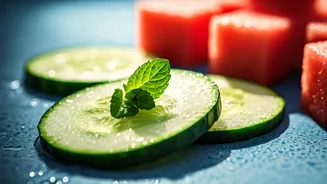
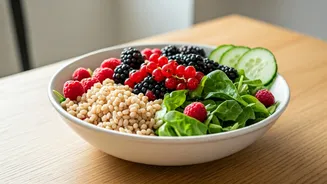
- **Lunch:** A large, colorful salad. Start with a bed of mixed greens and add grilled chicken or chickpeas, sliced cucumber, cherry tomatoes, and a few slivers of red onion. Drizzle with a vinaigrette made from olive oil, lemon juice, and a crushed garlic clove.
- **Dinner:** Grilled salmon, a fantastic source of anti-inflammatory omega-3 fatty acids. Serve it alongside a generous portion of grilled asparagus and a scoop of quinoa. For an extra flavor and probiotic kick, top it with a dollop of plain yogurt mixed with fresh dill and lemon zest.