

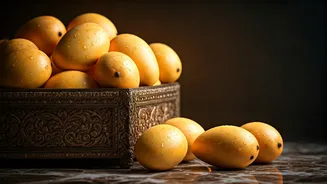




A National Marker of Time
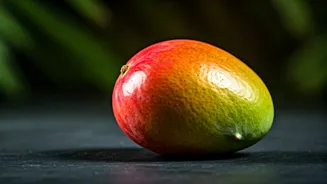
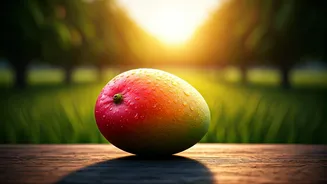
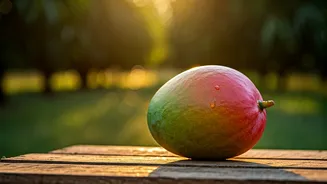
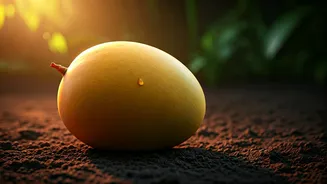
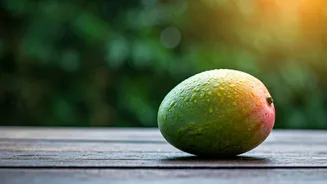
In the United States, seasons are marked by holidays and changing leaves. In India, the transition from spring to the sweltering heat of summer is marked by the arrival of mangoes. From the moment the first green, unripe fruits appear in the markets,
a palpable sense of anticipation builds across the nation. This isn't just about a new fruit being in stock; it's a cultural event, a sensory explosion, and an annual ritual that connects generations. For a few precious months, typically from March to July depending on the region, life revolves around this singular fruit. Newspapers announce the arrival of the first Alphonso batch. Family WhatsApp groups buzz with photos of their first purchase. Debates over which regional variety is superior rage with the passion usually reserved for cricket.
A Hierarchy of Kings
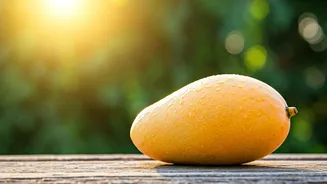
To an outsider, a mango is a mango. To an Indian, this is heresy. There are over 1,500 varieties of mangoes grown in India, each with its own unique shape, color, aroma, and flavor profile. At the top of this royal court sits the Alphonso, or 'Hapus.' Grown primarily in the coastal regions of western India, the Alphonso is renowned for its saffron-colored flesh, creamy texture, and a complex flavor that is sweet but with a hint of citrusy tartness. It's the undisputed king, commanding high prices and even receiving a Geographical Indication (GI) tag, much like Champagne from France, to protect its authenticity. But the kingdom is vast. From Gujarat comes the Kesar, with its intense sweetness and vibrant orange pulp perfect for juice. Northern India swoons for the fibreless Dasheri from Lucknow and the distinctively tangy Langra from Varanasi. Each region proudly champions its local hero, making the mango a delicious symbol of India's immense diversity.
The Sweet Economy
The craze is also a massive economic engine. The mango industry is a lifeline for millions, from the farmers who tend the orchards to the vendors who crowd every street corner with carefully stacked pyramids of fruit. Entire markets, like Crawford Market in Mumbai or the wholesale markets in Delhi, transform into fragrant, chaotic temples to the mango. Prices are negotiated with gusto, quality is judged by a sniff and a gentle press, and crates are loaded onto trucks for distribution across the country and, increasingly, the world. The export market for Indian mangoes is booming, with special-cased Alphonsos being flown to discerning customers in the U.S., Europe, and the Middle East, offering a taste of Indian summer far from home. This seasonal industry injects billions into the rural economy, making a good mango harvest a matter of national economic importance.
Rituals of Summer Joy
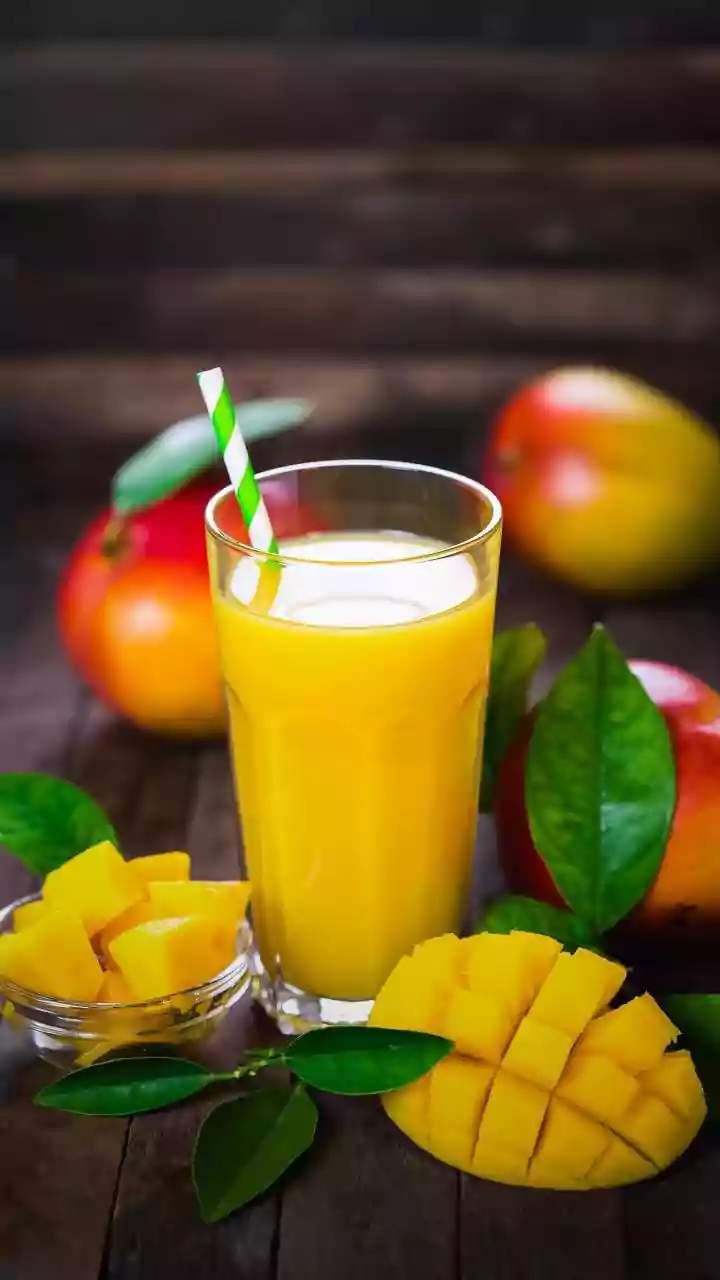
Beyond the economics and the varietals, the mango craze is deeply personal. It's woven into the fabric of daily life and childhood memory. It’s the joy of buying mangoes not by the piece, but by the dozen or the crate. It's the family ritual of sitting together after dinner, peeling and eating mangoes with your hands, juice dripping down your elbows. It's the art of eating them—some meticulously slice them into a 'hedgehog' pattern, while others prefer to soften the fruit by hand and suck the pulp directly from the top. Every part of the fruit is used. Unripe green mangoes are turned into spicy pickles (achar) and tangy powders (amchur), while the sweet pulp of ripe ones is transformed into milkshakes, lassis, ice creams (kulfi), and elaborate desserts. For many Indians, the taste of a specific mango is the taste of home, a flavor that instantly transports them back to long, lazy summer vacations.