
The Backlash Against Wellness Overload
For the better part of a decade, the wellness industry felt like an arms race. Every month brought a new, expensive 'must-have'—from infrared sauna blankets and personalized nootropic stacks to lymphatic drainage massages and gadgets that track every
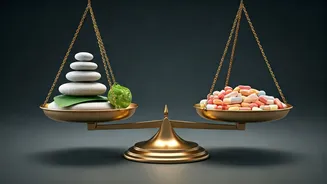
conceivable biometric. The underlying message was clear: optimal health was something you bought, optimized, and endlessly pursued. But for many, this relentless quest for peak performance led not to enlightenment, but to exhaustion and anxiety. The pressure to 'do wellness' correctly became a stressor in itself. This growing fatigue has created an opening for a powerful counter-movement: a return to the unglamorous, unmarketable, and undeniably effective fundamentals.
Sleep: The Original Performance Enhancer
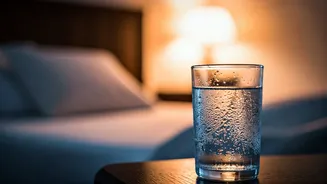
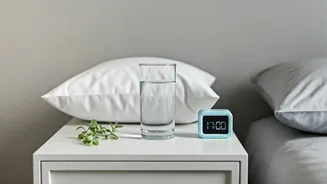
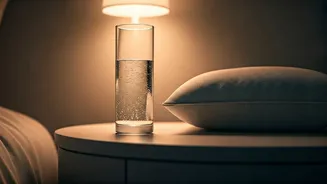
For years, sleep was the thing we sacrificed. Hustle culture glorified the 'rise and grind' mentality, and wearing your exhaustion like a badge of honor was common. Now, that narrative is being aggressively rewritten. Sleep is being reframed not as passive downtime, but as the single most powerful performance-enhancing, mood-regulating, and immune-boosting activity you can do. Tech billionaires now boast about their eight-hour sleep scores, and sleep hygiene has become a status symbol. While there are still plenty of products to buy—from smart rings to weighted blankets—the core conversation has shifted. The focus is less on 'hacking' sleep with a device and more on protecting it as a non-negotiable pillar of health. It’s the free, biological tool that underpins every other aspect of our well-being, and we’re finally admitting that no supplement can replace it.
Water: The Ultimate Forgotten Luxury
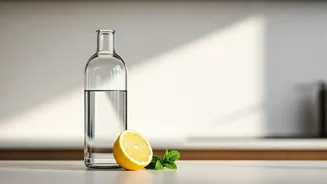
In a market saturated with functional sodas, mushroom coffees, and electrolyte powders that promise everything from mental clarity to a radiant glow, the simple act of drinking plain water has become almost revolutionary. The hydration trend isn't new, but its latest iteration is stripped of complexity. While giant, time-stamped water bottles have become a ubiquitous accessory, the message has simplified. It's not about infusing your water with expensive minerals or alkalizing it to a perfect pH. It’s about recognizing that proper hydration is critical for energy, brain function, and skin health—and that for most people, the liquid that comes from the tap is perfectly sufficient. By re-centering water, wellness conversations are implicitly pushing back on the multi-billion dollar beverage industry that profits from making us feel like our hydration is inadequate unless it comes in a beautifully designed can.
From Optimization to Foundation
This collective return to sleep and water signals a deeper shift in our cultural understanding of health. The era of obsessive optimization—chasing the final 1% of peak performance—is giving way to a more sustainable focus on building a solid foundation. Experts and influencers alike are beginning to preach a new gospel: don't ask about the best new probiotic until you're sleeping at least seven hours a night. Don't spend a fortune on a green juice powder if you're chronically dehydrated. This 'boring' advice is gaining traction because it’s both accessible and effective. It removes the financial and social barriers that the wellness industry erected, democratizing the concept of feeling good. It’s a quiet rebellion against the idea that health is a complicated, expensive hobby, and a return to the truth that it starts with the simple, consistent choices we make every day.