




So, What Is This 'Stone' Mat?
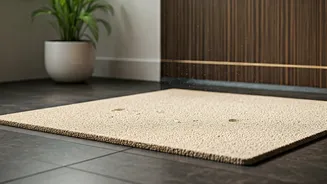
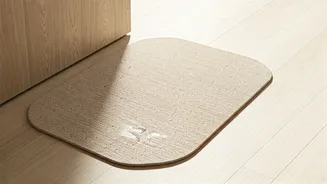
Despite its hard, stone-like appearance, this mat isn’t carved from a quarry. It’s made from diatomaceous earth (DE), a naturally occurring, crumbly sedimentary rock. The fascinating part is its origin: DE is composed of the fossilized remains of tiny
aquatic organisms called diatoms. These microscopic skeletons are rich in silica and, more importantly, are incredibly porous. Think of it as a natural, ultra-absorbent sponge that has been compressed into a solid slab. While it’s new to many American homes as a bath or entryway mat, the material itself has long been used in everything from water filtration and toothpaste to natural pest control, all thanks to its unique physical properties.
The Science Behind the 'Magic' Drying
The viral videos aren’t faked. When water hits the mat, it really does seem to disappear. This isn't a chemical reaction but a physical one. The millions of micropores in the diatomaceous earth create an enormous surface area. They act like tiny capillaries, wicking moisture away from the surface and distributing it throughout the mat's structure. This rapid absorption, combined with constant air exposure across that same large surface area, leads to incredibly fast evaporation. Unlike a traditional fabric mat that traps water in its fibers, becoming a soggy, mildew-prone mess, the DE mat pulls moisture in and releases it back into the air. The result is a surface that feels dry to the touch within a minute or two.
The Pros: Why People Are Obsessed
The primary benefit is obvious: no more sopping wet bathmats. This quick-drying nature means it’s far less likely to harbor mold, mildew, or that funky smell that plagues traditional mats. This hygienic angle is a major selling point. Aesthetically, these mats tap directly into the minimalist and modern design trends. Their clean lines, neutral colors (usually gray, white, or beige), and low profile offer a sleek, spa-like alternative to shaggy polyester. They feel clean, look clean, and for people tired of constantly washing textiles, they represent a low-maintenance dream. They’re a simple swap that can instantly make a bathroom or entryway feel more intentional and less cluttered.
The Cons: What the Videos Don't Show
Before you add one to your cart, it’s important to understand the trade-offs. First, these mats are rigid and brittle. Drop one, or drop something heavy on it, and it can crack or shatter. They also don’t feel soft or warm underfoot; they feel like, well, a smooth rock. While they are amazing with clean water, they are not ideal for mud, dirt, or oily substances. Mud will simply sit on top and clog the pores, requiring cleaning. Oils and colored liquids can cause permanent stains. If you live in a household with kids who track in grime from the backyard, this is probably not the entryway solution for you. It’s better suited for a post-shower puddle than a muddy boot print.
Care and Long-Term Maintenance
Most DE mats come with a small piece of sandpaper, which is your key to long-term performance. Over time, soap scum and surface minerals can clog the mat’s pores, reducing its absorbency. A light sanding is all it takes to scuff off the top layer and expose fresh, porous diatomaceous earth underneath, restoring its 'thirst.' For general cleaning, avoid soaps and detergents, which will also clog the pores. Instead, simply rinse the mat with clean water and let it air dry, preferably standing on its edge to maximize airflow. If you treat it right, a DE mat can last for years, but it requires a slightly different kind of care than just throwing it in the wash.