



From Grandmother’s Kitchen to Global Cafes
For generations in India, food has always been medicine. The concept of “functional foods”—ingredients consumed for their health benefits beyond basic nutrition—isn’t a new wellness trend; it’s an ancient practice woven into daily life through Ayurveda.
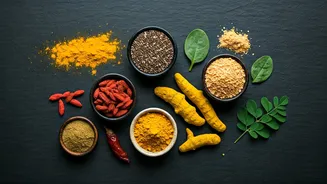
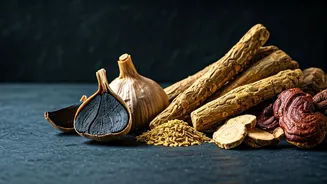
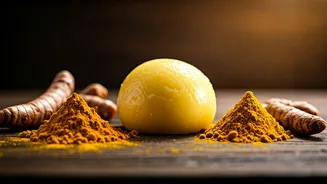
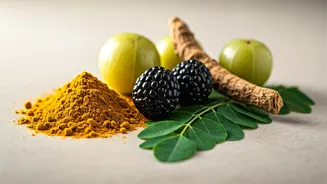
Spices like turmeric (haldi) for inflammation, herbs like holy basil (tulsi) for immunity, and adaptogens like ashwagandha for stress relief were staples in a grandmother’s arsenal of home remedies, often administered in warm milk or bitter concoctions. For many millennials and older generations, these powerful ingredients were associated with being sick or with old-fashioned, sometimes unpleasant-tasting, family cures. They were respected, but not necessarily celebrated. But that perception is undergoing a radical and rapid transformation, driven by India’s youngest cohort of adults.
The Gen Z Remix: Taste Meets Tradition
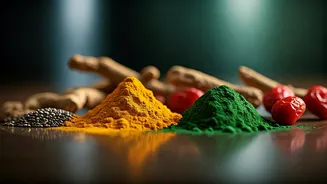
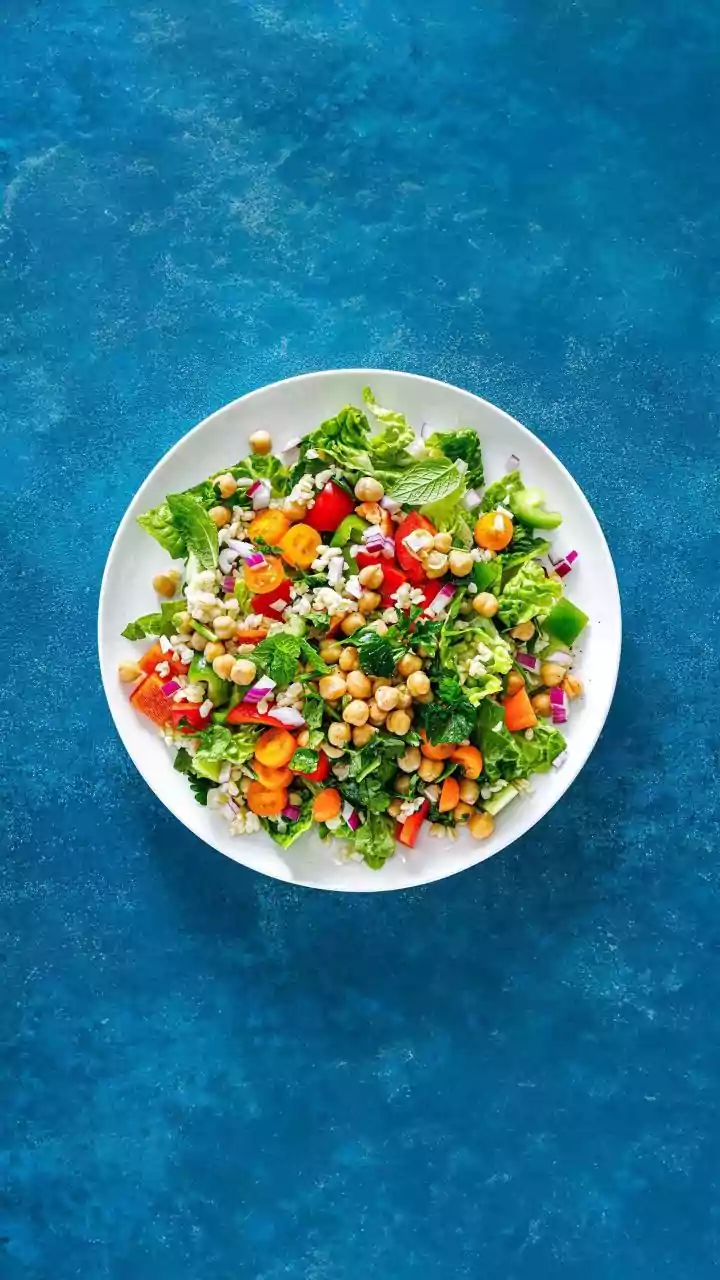
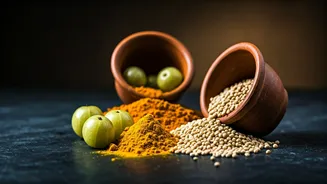
Enter Gen Z. Armed with global culinary awareness and a fluency in social media aesthetics, they are deconstructing these traditional flavors and reassembling them in ways that are both palatable and photogenic. They’re keeping the functional benefits but ditching the medicinal vibe. The bitter taste of ashwagandha is being masked in smooth cold-brew coffee. The earthy notes of moringa powder are finding a home in vibrant green smoothies and protein bowls. Amla, or Indian gooseberry, a potent source of Vitamin C, is being transformed into sparkling mocktails and tangy kombuchas, not just preserved in sugary murabba. This isn't just about hiding the taste. It's a creative culinary movement. Think rose-cardamom lattes infused with ashwagandha, spiced chia seed puddings featuring turmeric and black pepper, or even savory dishes like hummus getting a nutritional boost with moringa. The goal is integration, not just addition. Health is no longer a chore to be endured but an experience to be curated and enjoyed.
Driven by a Digital Palate
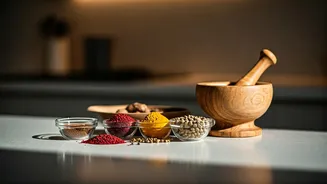
This flavor revolution is unfolding not in cookbooks, but on screens. Instagram Reels and YouTube Shorts are the primary platforms where these remixes gain traction. A 30-second video can showcase the entire process: a visually appealing flat-lay of ingredients, the satisfying swirl of a vibrant powder into a drink, and the final, beautifully garnished product. It’s a feast for the eyes before it ever reaches the lips. This digital-first approach does two things. First, it demystifies the ingredients for a generation that may have felt disconnected from them. Second, it reframes them as aspirational lifestyle elements rather than just medicine. Making an 'Ashwagandha Cloud Coffee' is an act of self-care that’s also a piece of shareable content. This makes wellness performative, personal, and profoundly modern.
A New Form of Cultural Pride
Beneath the surface of this trend is a quiet reclamation of cultural heritage. For years, Western brands have repackaged and commercialized these Indian ingredients, often stripping them of their context and selling them back at a premium. Indian Gen Z is now taking ownership. By innovating with these flavors, they are asserting their identity in a way that is both rooted in tradition and confidently global. They are saying, “This is ours, and we know how to make it cool.” It’s a departure from simply preserving the past; it’s about making the past relevant and exciting for the future. This isn’t a rejection of their grandparents’ wisdom but an evolution of it, proving that ancient practices can thrive in the most modern of contexts.