

Beyond the Instagram Aesthetic
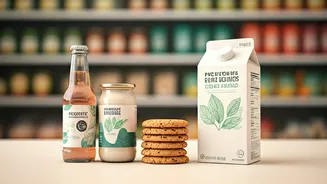
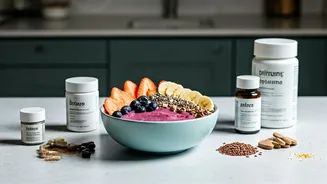
For years, the wellness industry has been dominated by a specific aesthetic: sleek packaging, minimalist branding, and price tags that feel anything but accessible. From celebrity-endorsed detox teas to exotic 'superfoods' flown halfway across the world,
achieving good health started to look a lot like a high-stakes consumer sport. But after years of chasing expensive and often unproven trends, a palpable sense of fatigue has set in, particularly among younger generations. Gen Z, a cohort raised on the internet, is uniquely skilled at spotting inauthenticity. They've seen countless wellness influencers rise and fall, and they're growing weary of the cycle. The promise of a quick fix in a bottle is losing its luster, replaced by a craving for something more grounded, sustainable, and real. This isn't just about saving money; it's a quiet rebellion against a commercialized version of well-being that often feels disconnected from genuine health.
The Wisdom in the Spice Box
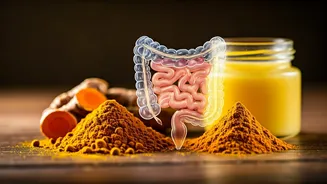
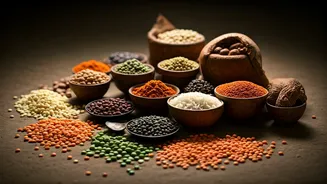
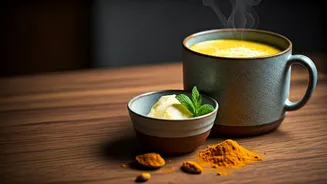
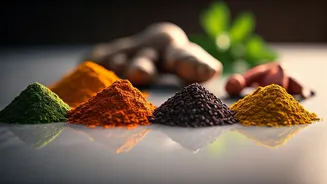
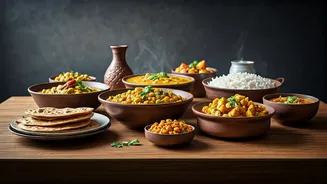
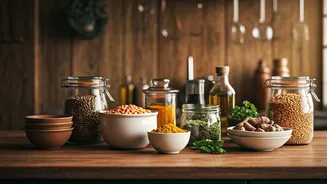
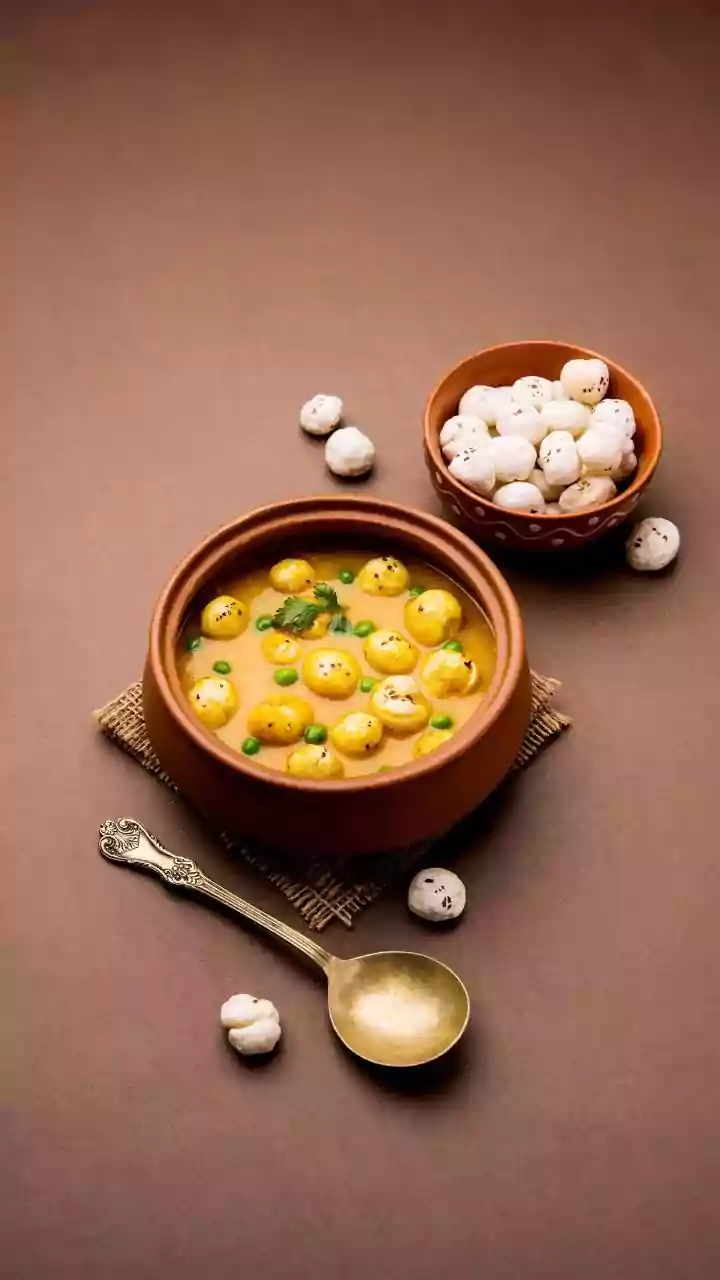
Enter the 'Dadi-Nani' effect. In many South Asian households, 'Dadi' (paternal grandmother) and 'Nani' (maternal grandmother) are the keepers of generations of culinary and medicinal knowledge. Their kitchens aren't stocked with trendy supplements, but with a vibrant arsenal of spices and whole foods that have been used for centuries to soothe, nourish, and heal. This is where many young people are turning, rediscovering the power of their own heritage. Recipes for simple dishes like *khichdi* (a comforting mix of rice and lentils), the soothing properties of a warm cup of *haldi doodh* (turmeric milk), or the digestive magic of ginger and cumin are being shared not just in family group chats, but across platforms like TikTok and Instagram. These aren't fads; they are cornerstones of Ayurvedic principles, a traditional Indian system of medicine that views food as a primary tool for balancing the body. The focus is on simple, digestible, and anti-inflammatory ingredients that support gut health from the inside out.
More Than Just Gut Health
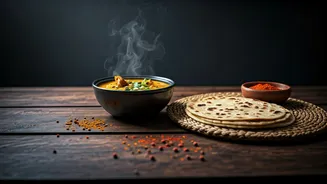
This embrace of ancestral eating goes far beyond physical wellness. For many second- and third-generation immigrants, it’s a powerful act of cultural reclamation. In a world that often encourages assimilation, cooking a dish passed down from a grandmother can be a profound way to connect with one's roots. It’s about honoring a lineage and preserving an identity that can feel diluted by distance and time. Each recipe comes with a story—a memory of a grandmother’s hands expertly folding a paratha, the specific way she tempered spices to bring out their fragrance, or the foods she prescribed for a common cold. This emotional and narrative layer is something a pre-packaged, branded wellness product can never offer. It transforms the act of eating from a purely functional task into a soulful experience, weaving personal history into every meal. It's nourishment for the spirit as much as the body.
What the 'Glow-Up' Really Means
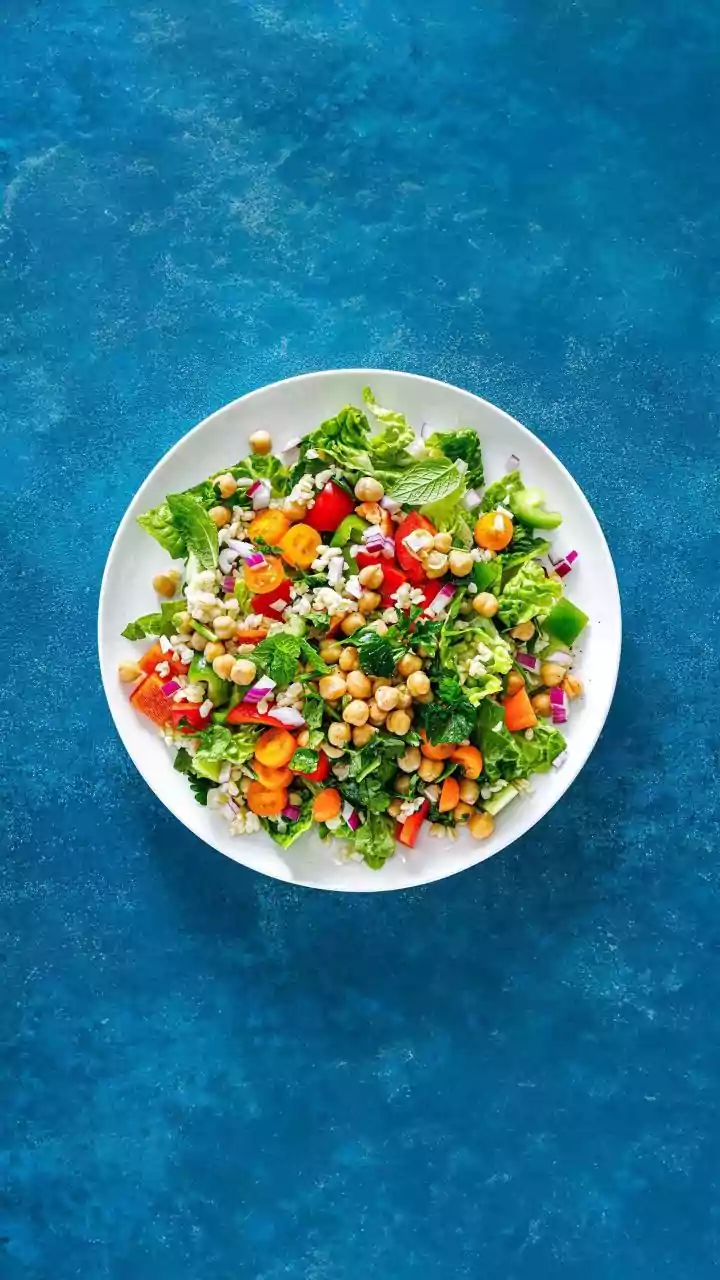
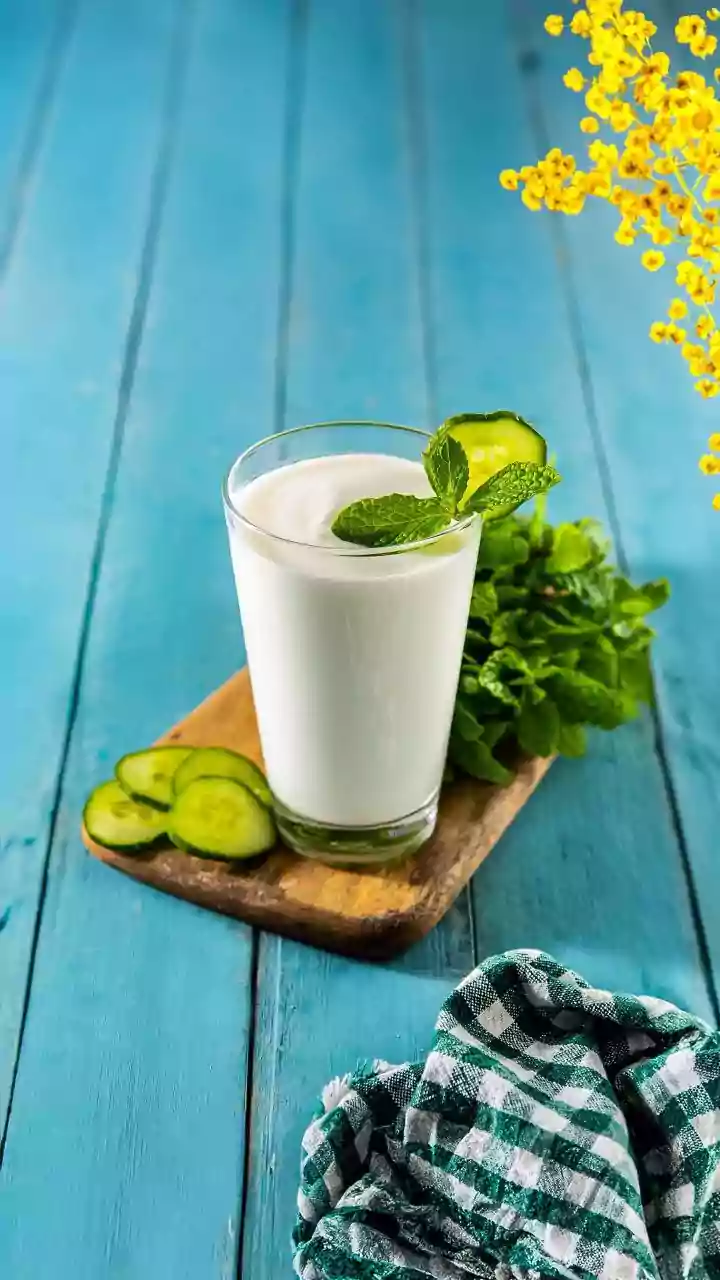
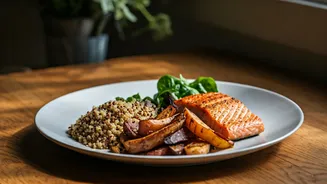
The term 'gut glow-up' perfectly captures the modern appeal of this ancient wisdom. It’s not just about clearer skin or less bloating, though those are often happy side effects. The real 'glow-up' is a shift in mindset. It’s the realization that wellness doesn't have to be complicated or expensive. It can be as simple as a bowl of homemade yogurt (*dahi*), rich in natural probiotics, or a lentil soup (*dal*) packed with fiber and protein. This approach emphasizes consistency over intensity. Instead of a punishing three-day juice cleanse, it promotes incorporating gentle, nourishing foods into your daily routine. It's sustainable because it relies on accessible ingredients and intuitive cooking, not rigid rules or costly subscriptions. The ultimate goal isn't an elusive state of perfection, but a practical, everyday sense of feeling good in your own body.