


The Winding Ascent
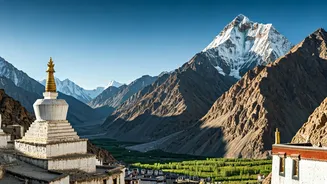
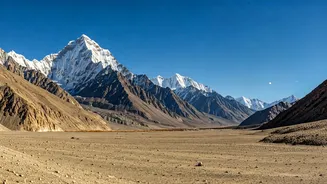
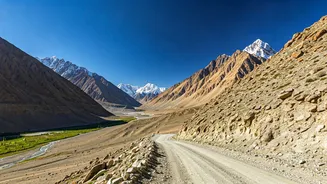
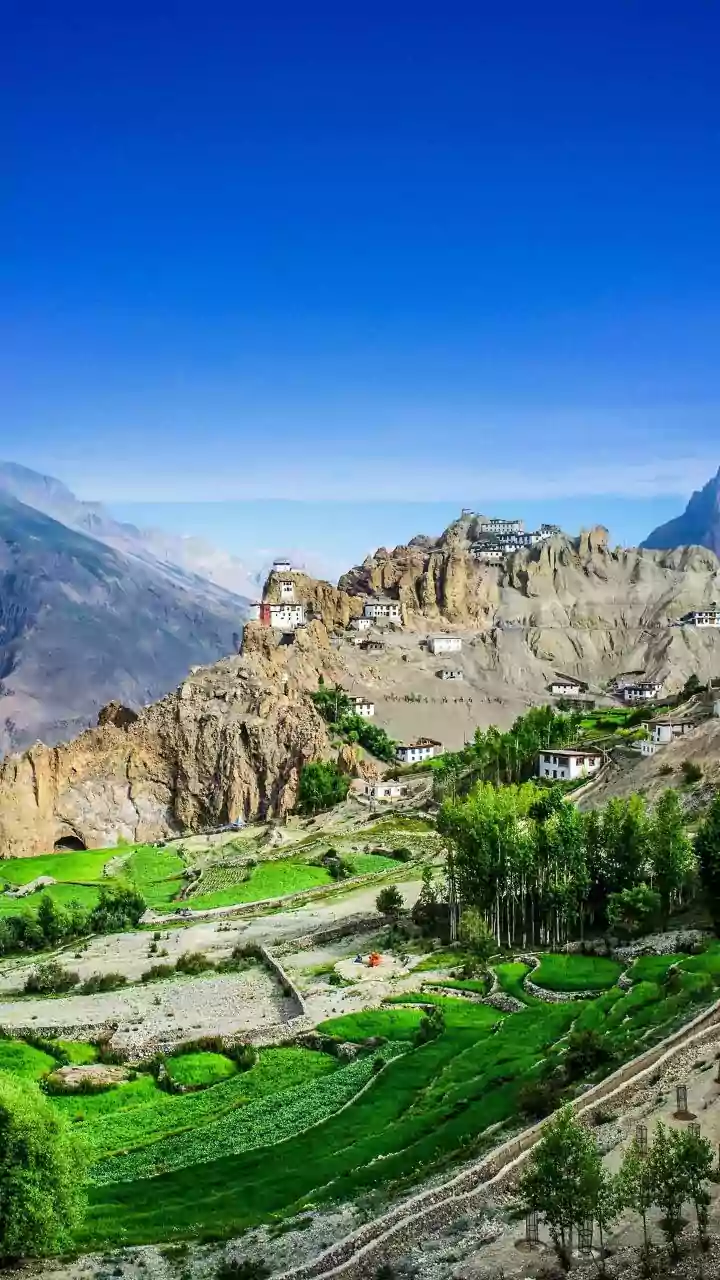
The journey is a pilgrimage in itself. Roads twist like ribbons thrown across the Himalayas, climbing past the tree line into a realm of rock, ice, and sky. Below, glacial rivers carve turquoise lines through arid plains. Every so often, a string of colorful
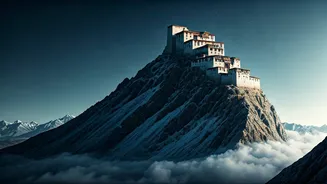
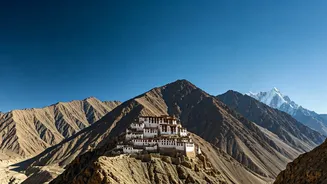
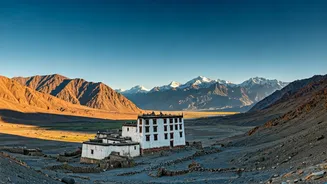
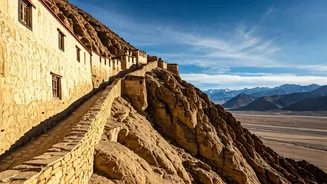
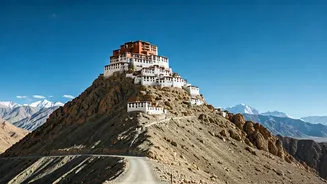
prayer flags—blue for sky, white for air, red for fire, green for water, and yellow for earth—flutters violently in the wind, a vibrant sign of life and devotion in the stark landscape. They are the first signal that you are approaching a sacred space. Then, you see it: a cluster of whitewashed buildings, stacked one upon the other, seeming to grow organically from the mountainside. It looks less like a structure that was built and more like one that has always been there, a permanent fixture against the elements.
Crossing the Threshold
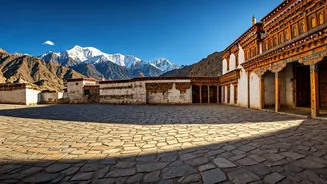
To step inside the ancient stone walls is to leave the 21st century behind. The temperature drops. The fierce Himalayan sun is replaced by a cool, sacred darkness, punctuated by narrow windows that cast dramatic shafts of light across worn wooden floors. The walls themselves are thick, made of mud and stone, and they hum with the silence of centuries. You’ll pass massive prayer wheels, taller than a person, spun by a steady stream of devotees who murmur the mantra “Om mani padme hum.” With each rotation, they believe prayers are sent out into the world. The rhythmic creak of the turning wheels and the soft shuffle of feet become the monastery's heartbeat.
The Scent of Devotion
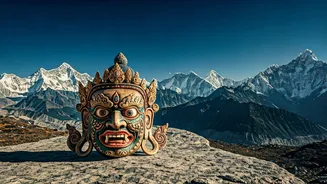
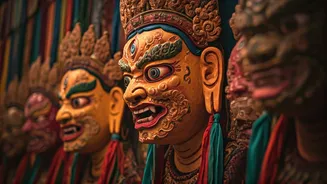
The air inside is thick with a unique and unforgettable scent—a combination of melting yak butter from lamps that have burned for generations, pungent juniper incense used for purification, and the faint, dusty smell of ancient texts and thangka paintings. In the main prayer hall, or dukhang, the sensory experience intensifies. Hundreds of butter lamps flicker in the dark, their small flames illuminating fearsome and compassionate deities painted on silk scrolls that hang from the ceilings. The art is overwhelming: intricate mandalas, depictions of the Buddha’s life, and wrathful protectors designed to ward off evil. It’s a visual library of Tibetan Buddhist cosmology, meant not just to be seen but to be felt.
The Sound of Silence and Chant
For much of the day, a profound quiet settles over the gompa. But then, the silence is broken. From the depths of the prayer hall, a low, resonant rumble begins. It’s the sound of monks chanting their morning or evening prayers. The sound is hypnotic, a polyphonic drone that seems to vibrate through the very stone of the building. Young novices, some no older than seven, sit beside wizened lamas with faces like ancient maps, their voices joining in a ritual that has remained unchanged for centuries. They are the keepers of this sacred flame, their lives dedicated to study, meditation, and the preservation of a spiritual tradition in one of the most remote corners of the world. Watching them, you understand that this is not a museum; it is a living, breathing center of faith.