






The New Escape Is Inward
For decades, luxury travel was defined by external factors: infinity pools, Michelin-star restaurants, and exotic locales. While those still hold appeal, a growing segment of the hospitality industry is betting that the ultimate escape is no longer about
where you go, but how you feel when you’re there. Enter the wellness hotel, a concept that has evolved far beyond a sad little gym and a decent spa. Today’s wellness-focused properties are meticulously engineered environments designed to combat the primary ailments of modern American life: burnout, anxiety, sleep deprivation, and digital addiction. They operate on the premise that true rest isn't passive; it’s an active process of recalibrating your body and mind. The product they’re selling isn't just a bed for the night; it's a full biological reset.
Your Phone Goes to Bed First
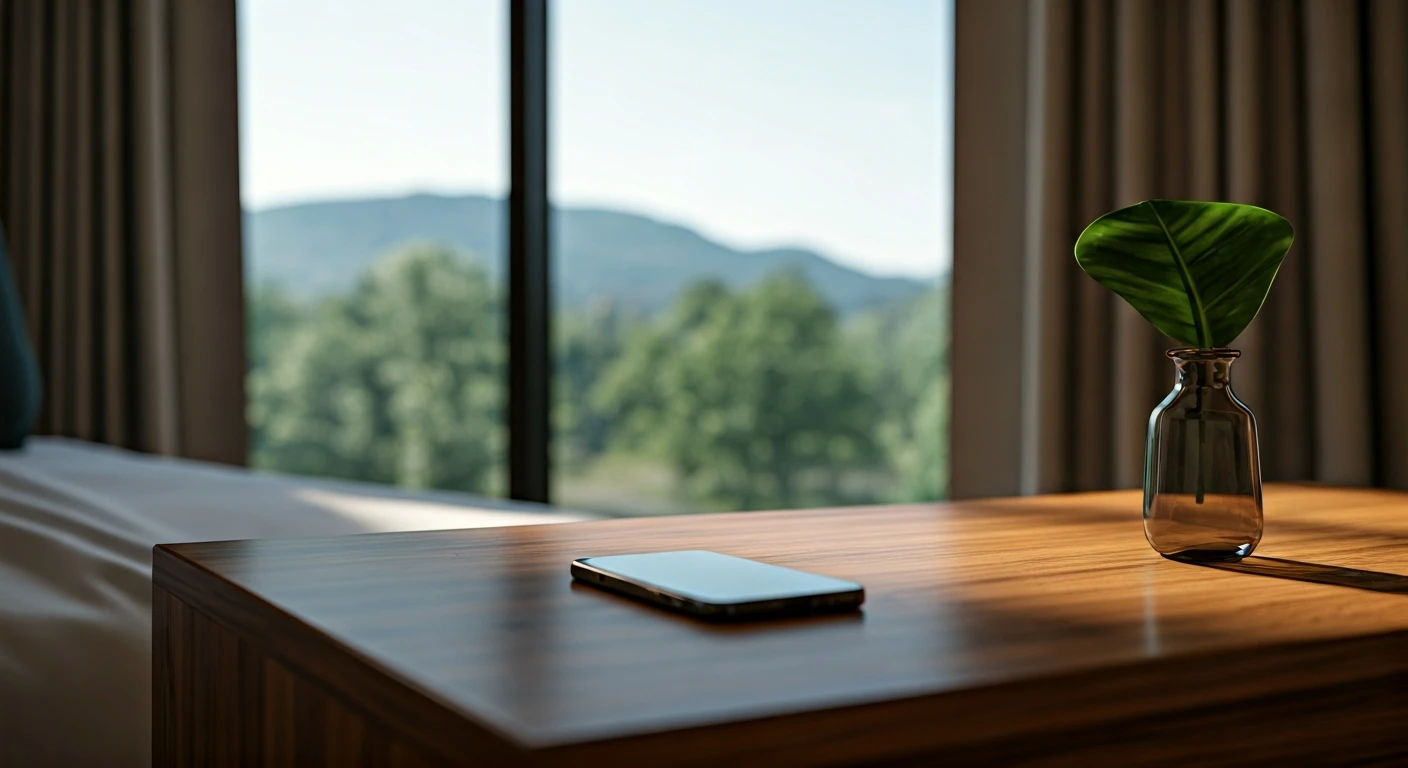
The most aggressive and telling feature of this trend is the war on the smartphone. These hotels recognize that a digital detox can’t be a half-measure. At properties like the Miraval resorts in Arizona, Texas, and Massachusetts, guests are encouraged to tuck their phones into a designated 'sleeping bag' upon arrival, letting them rest in a tiny cloth bed. Other hotels take a more architectural approach. The architects of certain Six Senses resorts, for instance, have been known to design buildings to intentionally block cell signals in common areas, forcing guests to look up and engage with their surroundings. TVs are often absent from rooms, replaced by yoga mats and meditation cushions. The point isn’t to punish, but to remove the constant, low-grade stimulus of notifications and endless scrolling, creating a vacuum of digital noise that allows for genuine quiet.
Just Breathe (Literally)
The promise to help you 'breathe better' is where this trend gets fascinatingly specific. It’s a two-pronged approach. First, there's the literal air you inhale. High-end properties like the Equinox Hotel in New York City boast that the air in every guest room is hospital-grade, filtered through a multi-layered system to remove allergens, viruses, and pollutants. Some resorts in more rural locations simply market their pristine, unpolluted mountain or ocean air as a key amenity. The second prong is about conscious breathing. Breathwork, an ancient practice now repackaged for the wellness consumer, is a cornerstone of the programming. Hotels offer guided sessions ranging from energizing morning breathing exercises to calming pre-sleep techniques. At some locations, you might find sound baths, guided meditations, or even on-site salt caves, all designed to train your attention on the simple, restorative act of inhalation and exhalation.
Engineering the Perfect Night’s Sleep
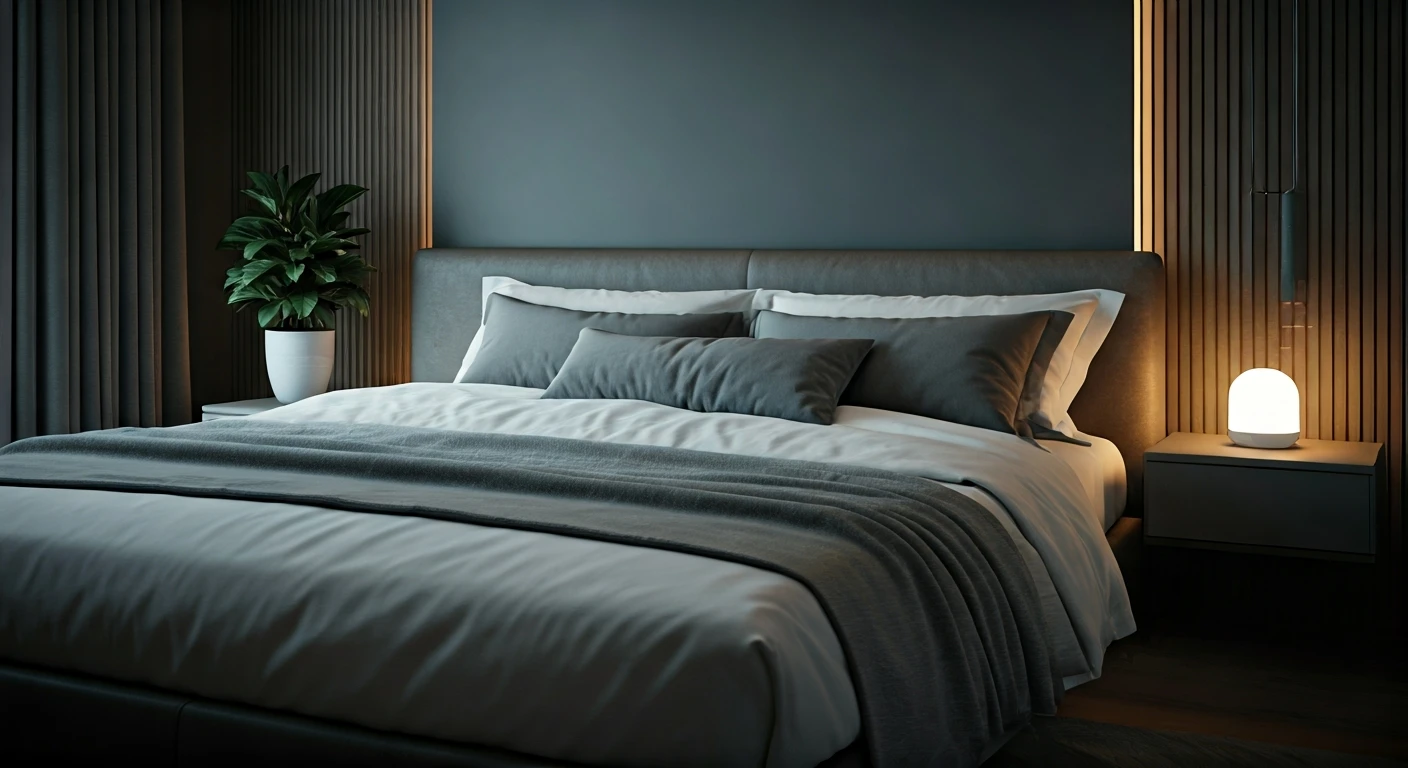
If digital overload is the disease, restorative sleep is the cure. Wellness hotels are doubling down on sleep science, transforming their rooms into high-tech cocoons. The Equinox Hotel refers to its rooms as 'sleep chambers.' This isn't just marketing fluff. They feature total-blackout shades, advanced soundproofing to eliminate urban noise, and beds made from natural materials that regulate temperature. Perhaps most impressive is the focus on circadian rhythm. Lighting systems are designed to shift in color and intensity throughout the day, mimicking the natural progression of sunlight to help regulate guests' internal clocks. It’s a level of control that goes far beyond a mint on the pillow, treating sleep not as an afterthought but as the central, most critical component of a restorative stay.