




Beyond the Comfort of Curry
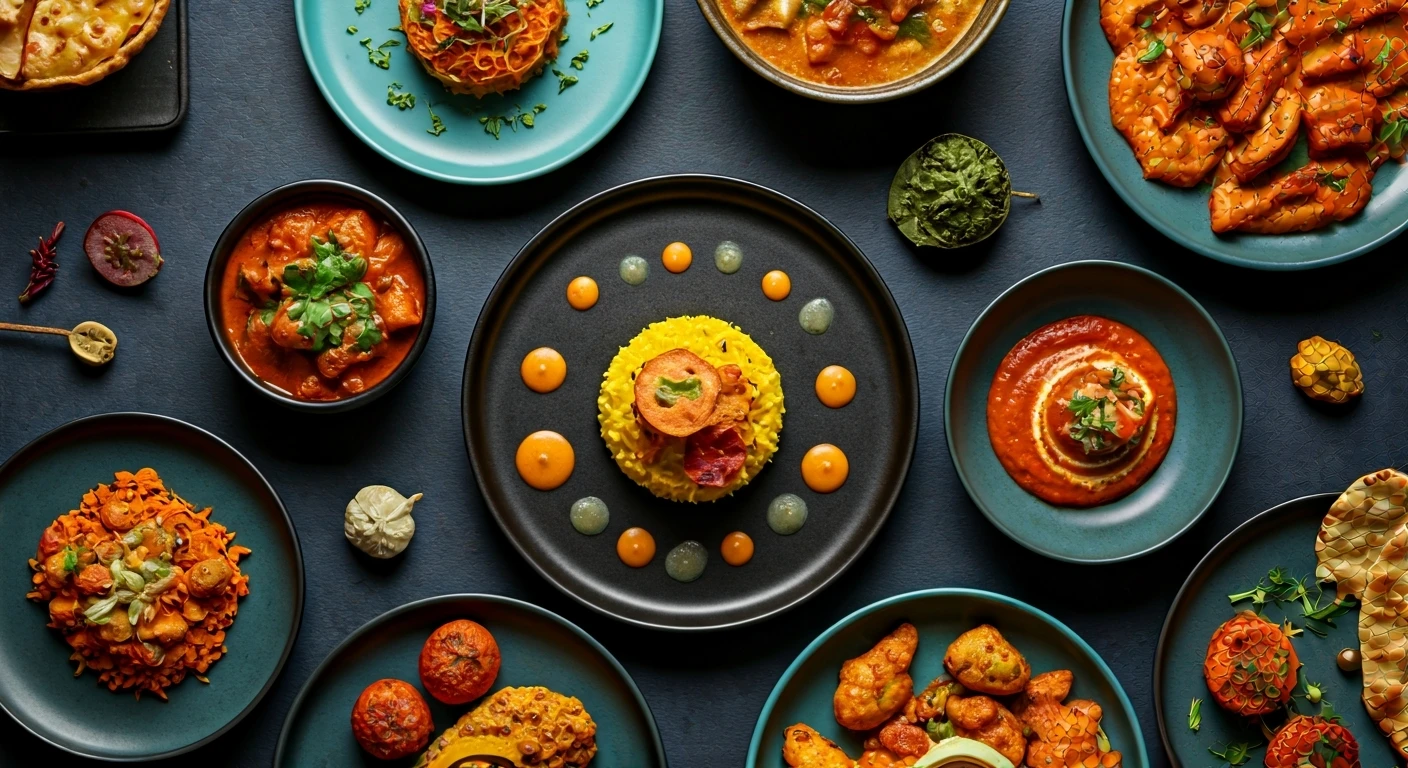
For decades, to eat well in Delhi meant indulging in a familiar, glorious rotation: smoky kebabs sizzling in ancient alleyways, rich Mughlai curries served in plush restaurants, and the chaotic, colorful explosion of street-side chaat. This is the culinary
identity the city exported to the world—a brand built on butter, cream, and complex spices. But for a growing number of the city's most passionate eaters, that well-trodden path has become a bit too comfortable. The new frontier isn't about finding the most Michelin-adjacent dining room; it's about finding a home cook who can serve you a forgotten dish from a village you've never heard of. The “out-of-comfort-zone plan” isn’t about eating insects or extreme chiles. It’s about decolonizing their own palates, one hyper-regional meal at a time.
The Supper Club Takeover
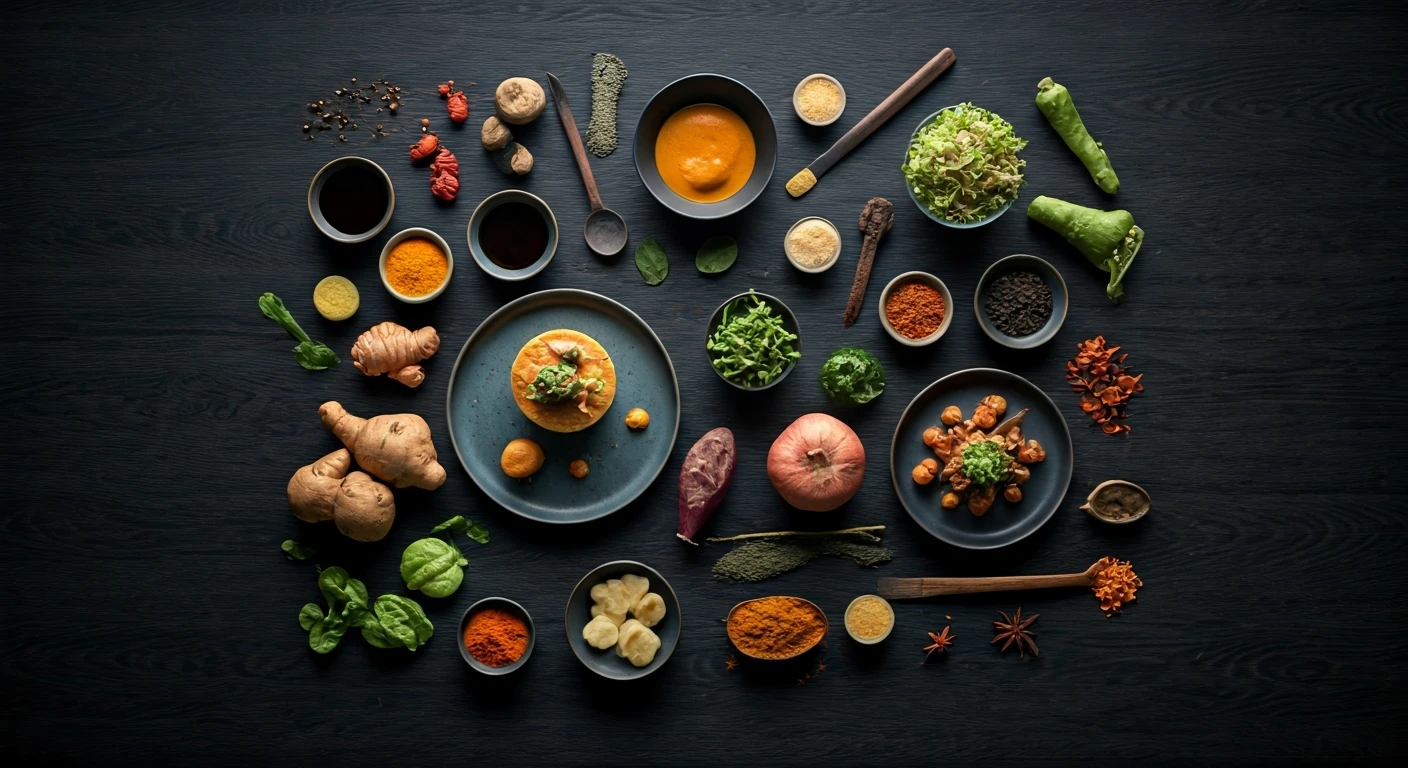
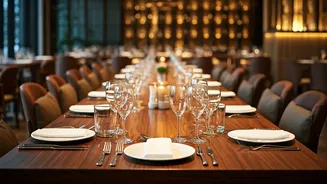
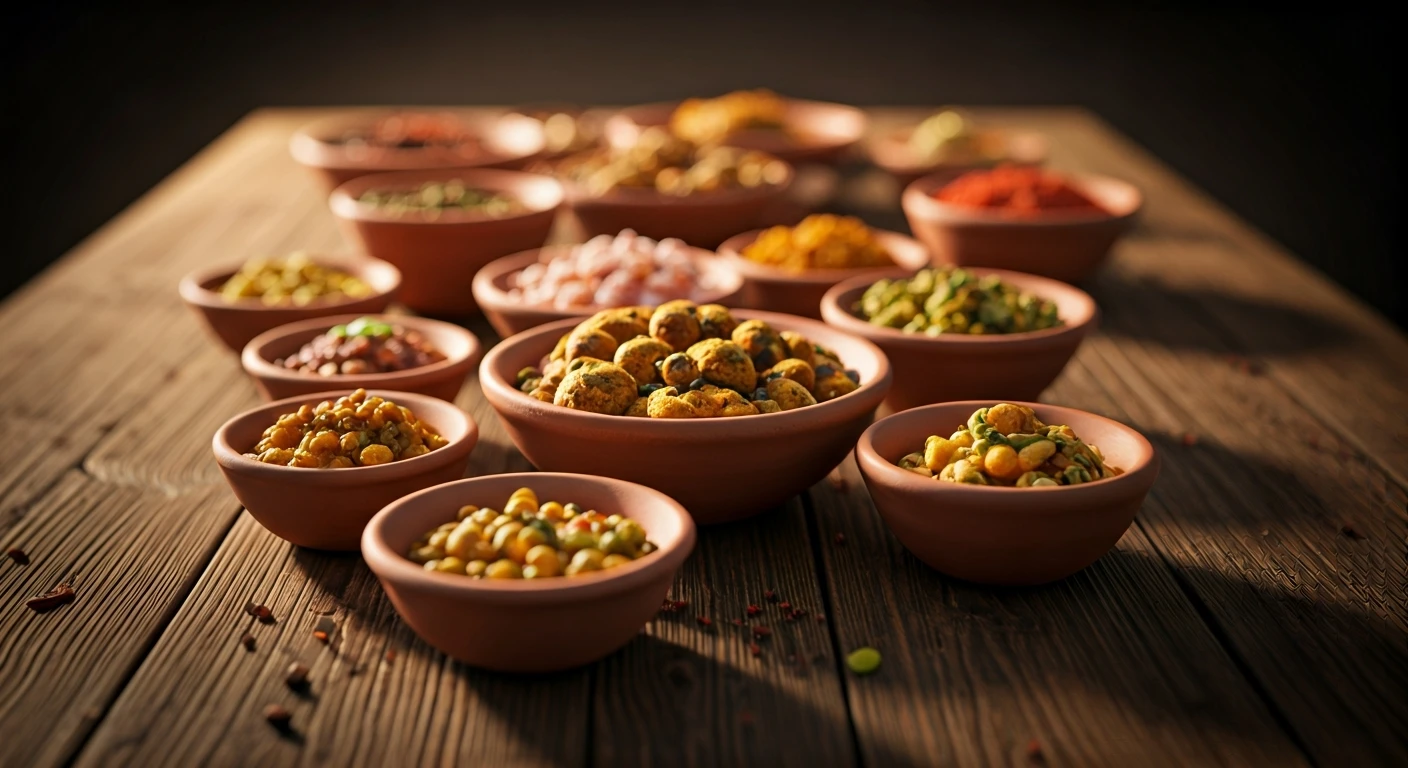
This movement isn't happening in traditional restaurants. It’s unfolding in living rooms, on terraces, and in clandestine pop-ups announced via WhatsApp groups and niche Instagram accounts. These are supper clubs, hosted not by trained chefs, but by home cooks, academics, and professionals who double as culinary archivists. One week, a club might feature the pungent, fermented bamboo shoot dishes of Nagaland in India’s remote Northeast—a flavor profile completely alien to the North Indian palate. The next, it might be a meticulously researched meal recreating the simple, vegetable-forward cuisine of a specific Brahmin sub-caste from coastal Karnataka. These hosts are storytellers. They don’t just serve food; they serve a narrative about migration, history, and family. Diners, often strangers to each other, gather around a communal table not just to eat, but to listen and to learn about a piece of their own country they never knew existed.
A Hunger for Authenticity and Connection
So, why now? This trend is a reaction against the homogenization of Indian food. As restaurant chains standardize recipes for mass appeal, these supper clubs offer the opposite: specificity, imperfection, and a direct connection to the source. It’s the Indian equivalent of the American farm-to-table movement, but instead of focusing on the origin of the carrot, the focus is on the origin of the recipe. After years of looking outward—to Italian, Japanese, and modern European cuisines—Delhi's elite foodies are looking inward. The pandemic also played a role, accelerating the rise of home chefs and fostering a deep-seated desire for intimate, meaningful social experiences. A meal that comes with a history lesson and a personal connection feels more nourishing than another anonymous, high-end dinner.
Your Plate Is a Political Statement
There’s a subtle but powerful social undercurrent to this trend. For generations, India's dominant culinary narrative has been shaped by the food of its historical rulers and upper castes. By championing dishes from tribal communities, remote regions, or historically marginalized groups, these foodies are making a quiet political statement. They are challenging the idea of what constitutes “good” Indian food and expanding the definition of the nation’s culinary canon. Eating a dish that was once considered rustic or humble in a sophisticated, urban setting is a radical act of cultural validation. It’s a way of saying that every story, and every flavor, deserves a place at the table.