


Why Your Bedroom Works
While the kitchen seems like the logical place for an herb garden, the bedroom offers some unique advantages for growing leafy greens. It's typically a stable, low-traffic environment. You have more control over temperature and humidity, and there are
fewer chances for pests to be introduced from open doors or kitchen scraps. More importantly, it redefines the room as a space not just for rest, but for wellness and growth. A small, tidy grow station can double as a living piece of art and a source of calming, natural greenery, which studies have shown can reduce stress.
Start with the Easiest Greens
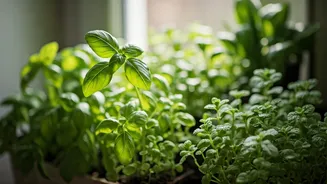
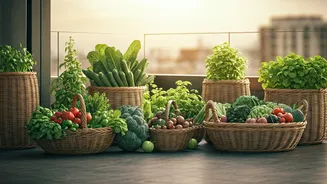
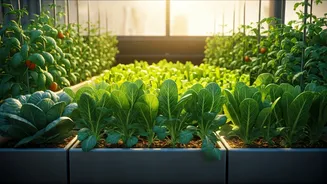
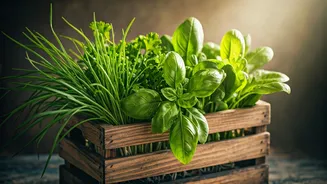
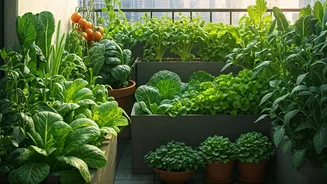
Success begins with selecting the right plants. Not all greens are created equal when it comes to indoor growing. You want varieties that are compact, fast-growing, and don't require intense, direct sunlight. Top candidates include: • **Loose-leaf Lettuce:** Varieties like 'Black Seed Simpson' or 'Red Sails' are perfect. You can harvest the outer leaves continuously, and they'll keep producing for weeks. • **Spinach:** A nutrient-dense classic that does well in the cooler temperatures often found indoors. • **Arugula:** Its peppery kick is a great addition to any meal. It grows quickly and can be harvested in under a month. • **Microgreens:** These are the seedlings of vegetables and herbs. They're harvested just after the first true leaves appear and are packed with flavor and nutrients. You can grow a tray of radish, broccoli, or kale microgreens on a windowsill in about ten days.
Light Is the Most Critical Ingredient
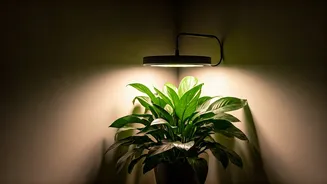
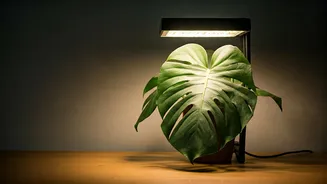
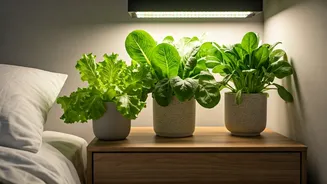
Even the sunniest bedroom window in the U.S. likely won't provide enough consistent light for robust leafy greens, especially in winter. This is where a grow light becomes your best friend. Don't be intimidated; modern LED grow lights are energy-efficient, affordable, and easy to use. Look for a 'full-spectrum' LED light, which mimics the sun's natural rays. You don't need a massive, industrial setup. A simple clamp light or a small, self-contained panel will do the trick for a personal-sized garden. Position the light 6 to 12 inches above your plants and run it on a timer for 12 to 14 hours a day. This consistency is what tells your plants it's time to thrive.
Choose Your Method: Soil or Water
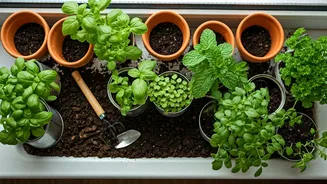
You have two main options for your growing medium: traditional soil or a simple hydroponic system. For soil, choose a high-quality, sterile potting mix to minimize the risk of fungus gnats. Any container with drainage holes will work, from a simple pot to a window box. This method is familiar and very low-cost to start. For a cleaner, soil-free option, consider a passive hydroponic method like the Kratky system. It sounds technical, but it's as simple as a mason jar or a small tub, a net pot, and a special nutrient solution mixed with water. The plant's roots grow down into the solution, and because there's no soil, there's virtually no mess and no soil-borne pests.
Create Your Personal Grow Zone
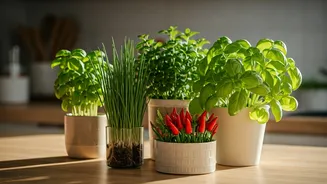
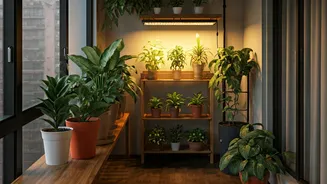
To keep your bedroom garden from looking like a messy science experiment, dedicate a specific spot. A small bookshelf, a sturdy nightstand, or a corner cart can become a beautiful and productive grow zone. Group your pots on a tray to protect surfaces from water. Run the cord for your grow light neatly along a wall or behind furniture. By keeping your setup contained and tidy, it becomes a feature, not a chore. Good air circulation is also key to preventing mold, so don't pack plants too tightly and consider running a small fan for a few hours a day if your room is stuffy.