






What 'Easy-Visa' Travel Really Means
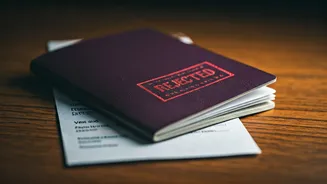
Let's get one thing straight: this isn't a hack in the sense of a clever trick to bypass legal requirements. Rather, it’s a strategic mindset. 'Easy-visa' travel means prioritizing destinations that don't require U.S. citizens to endure the traditional,
often stressful, visa application process. This process can involve mailing your passport away for weeks, compiling extensive financial documents, securing letters of invitation, and paying hefty, non-refundable fees—all with no guarantee of approval. Instead, this approach focuses on the vast number of countries that have streamlined entry for Americans. It’s about spending your planning time dreaming about what you’ll do, not worrying about whether a consular officer will approve your paperwork.
The Gold Standard: Visa-Free Travel
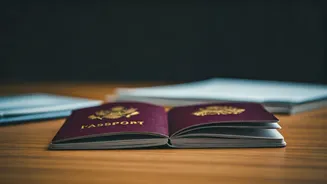
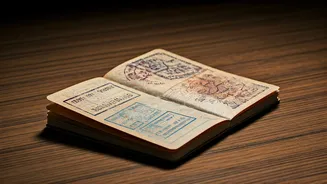
This is the ultimate in travel freedom. Holding a U.S. passport grants you visa-free access to over 180 countries and territories. This means you can book a flight, show up with your passport, and get a stamp upon entry, usually allowing you to stay for up to 90 days for tourism purposes. Think of it as the world’s easiest 'hall pass.' This category includes the entire Schengen Area in Europe (hello, Paris, Rome, and Barcelona), much of South and Central America (from Mexico to Argentina), and fascinating destinations like Japan, South Korea, and New Zealand. For North American travelers, it’s the path of least resistance and maximum spontaneity. You could decide on Tuesday to spend the weekend in Montreal and be there by Friday with nothing more than your passport and a packed bag.
The Next Best Thing: Visa on Arrival
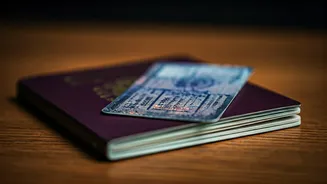
A close second to visa-free travel is the 'visa on arrival' (VOA). This is exactly what it sounds like: you get your visa after you land at the airport or cross a land border into the country. Typically, you'll be directed to a specific counter where you present your passport, fill out a short form, pay a fee (usually in cash, so be prepared), and sometimes provide a passport-sized photo. Within minutes, a visa sticker is placed in your passport, and you’re on your way. It removes all the pre-trip anxiety. Many popular destinations in Southeast Asia, Africa, and the Middle East use this system, including places like the Maldives, Nepal, and Jordan. It combines security for the host country with convenience for the traveler, making it a fantastic and accessible option.
The Modern Solution: The E-Visa
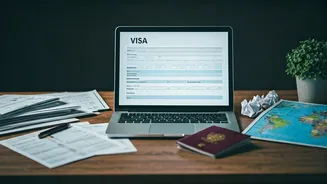
The e-visa is the travel world’s digital upgrade. Instead of visiting an embassy, you apply for your visa through an official government website. You fill out an online form, upload any required documents (like a digital passport photo or a scan of your passport’s main page), and pay the fee electronically. Approval often comes via email within a few hours to a few days. You then print out the e-visa confirmation to show immigration authorities upon arrival. While it requires a bit of pre-planning, it’s worlds away from the old-school paper-based process. Countries like Australia, Turkey, Vietnam, and Kenya have adopted this efficient system, making them far more accessible to plan for than destinations requiring a full consular visa.
Why This 'Hack' Is a Game-Changer
Adopting an easy-visa mindset fundamentally changes how you approach travel. First, it saves you time, money, and the mental energy wasted on bureaucratic hurdles. Second, it opens up a world of spontaneity. See a great flight deal to a visa-free country? You can book it without a second thought. Third, it simplifies multi-country trips. Planning a backpacking trip is infinitely easier when you can hop from one country to the next without a thick folder of pre-approved visas. By filtering your potential destinations by entry requirements first, you put the joy and freedom back into travel planning, turning a potential source of stress into a simple, empowering choice.