


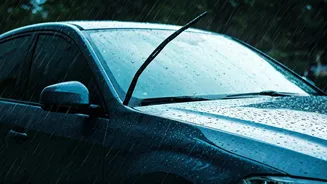


Start with Your Wipers
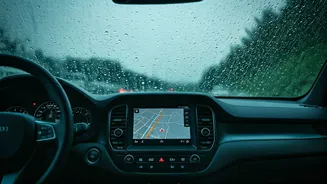
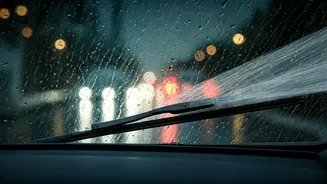
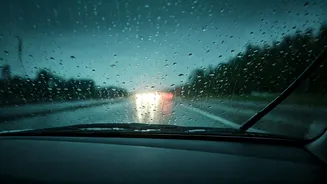
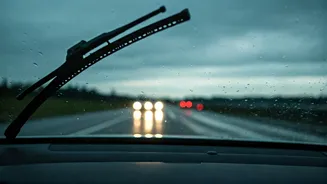
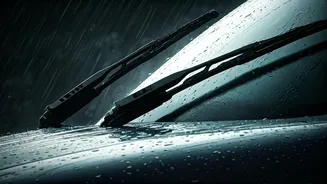
Your first line of defense in a downpour is visibility. Worn-out wiper blades don't clear water; they smear it, creating a dangerous glare, especially at night. You don't need fancy, expensive blades. The most important thing is that they work effectively.
Inspect yours for any cracks, stiffness, or rounded edges on the rubber. When you run them, they should glide silently and leave a streak-free windshield. If they skip, squeak, or leave bands of water, it’s time for a change. For a budget-friendly fix, check if you can replace only the rubber inserts instead of the entire blade assembly. These refills are significantly cheaper and just as effective. A quick online search for your car’s make and model will show you if this is an option. While you’re at it, top off your windshield washer fluid. A clean screen is easier to see through when wet.
Check Tire Tread and Pressure
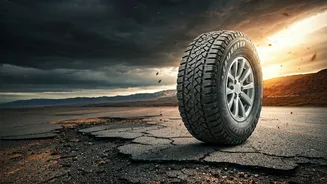
Tires are what connect your car to the road, and when that road is covered in water, their job gets much harder. Hydroplaning—when your tires lose contact with the pavement and skim across the water—is a terrifying experience that can be prevented with proper tire maintenance. First, check your tread depth. The classic ‘penny test’ is free and effective: insert a penny into the tread with Lincoln's head upside down. If you can see the top of his head, your tires are worn and it's time to start saving for a new set. Equally important is tire pressure. Under-inflated tires can’t channel water away as efficiently, increasing your hydroplaning risk. Check your owner’s manual or the sticker on the driver's side door jamb for the correct PSI, and fill your tires accordingly. Most gas stations have air compressors that cost a dollar or two, and some tire shops offer free air checks.
Inspect Your Seals and Weatherstripping
A small leak can lead to big problems, including musty smells, mold growth, and fried electronics. Before the heavy rains start, take a few minutes to walk around your car and inspect the rubber seals around your doors, windows, trunk, and sunroof. Look for any areas that are cracked, brittle, or pulling away from the frame. A simple visual inspection is often enough to spot trouble. To keep healthy seals in good shape, wipe them down with a damp cloth to remove dirt and then apply a thin layer of a silicone-based lubricant. This inexpensive product, available at any auto parts store, helps keep the rubber supple and conditioned, preventing it from drying out and ensuring a tight seal against water.
Clear Out Your Car’s Drains
Did you know your car has drains? They’re designed to channel rainwater away from areas where it could pool and cause damage. The most common clog-points are the plenum drains, located at the base of your windshield under the hood, and sunroof drains, which are small holes at the corners of the sunroof assembly. Over time, these can get clogged with leaves, pine needles, and other debris. When they back up, water can spill into the passenger compartment, soaking carpets and potentially damaging sensitive electronics under the dashboard. Cleaning them is usually simple. You can often clear blockages with a piece of flexible wire or a blast of compressed air. Keeping these pathways clear is a free task that can save you from a very expensive repair.
Protect Your Battery Terminals
High humidity and moisture are enemies of your car’s electrical system. One of the most vulnerable spots is the battery. Corrosion, that fuzzy blue-green or white buildup on the terminals, can disrupt the electrical connection and leave you stranded with a car that won’t start. Cleaning it off is a simple DIY job. Disconnect the terminals (negative first, then positive) and scrub them with a wire brush and a paste made from baking soda and water. Once they’re clean and reconnected (positive first, then negative), you can apply a thin layer of dielectric grease to the terminals to protect them from future moisture and corrosion. Both a wire brush and the grease are very cheap investments.
Know When to Just Stay Home
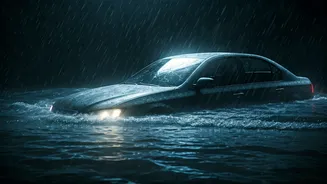
The single most effective and completely free way to protect your car from a monsoon is to avoid driving in it. This is especially true during warnings for flash floods. No amount of preparation can save a car from being swept away or submerged in deep water. It only takes about six inches of water to reach the bottom of most passenger cars, causing loss of control and possible stalling. A foot of water can float many vehicles. Pay attention to weather alerts and emergency broadcasts. If the authorities are advising against travel, listen. The risk to your vehicle—and more importantly, to your life—is not worth it. If you do get caught, remember the mantra: turn around, don't drown.