






More Than Just a Rest Day
First, let's clear up a common misconception: a recovery workout is not the same as collapsing on the couch for a Netflix marathon. While passive rest is crucial, active recovery involves low-intensity, intentional movement designed to help your body
repair and adapt. Think of it as a gentle nudge to your body's natural healing processes. These sessions are meant to be restorative, not exhaustive. The goal is to leave feeling better, looser, and more refreshed than when you started. Examples include a slow yoga flow, a session of foam rolling and dynamic stretching, a leisurely walk in nature, or a relaxed swim. It's about moving your body in a way that soothes your nervous system and increases blood flow to sore muscles without adding more stress.
The Backlash to 'Beast Mode'
So why the sudden surge in popularity? The trend is a direct response to the burnout culture that has dominated not just our work lives, but our fitness routines. The 'no pain, no gain' mantra, popularized by high-intensity interval training (HIIT) and extreme fitness challenges, left many people feeling exhausted, injured, and defeated. We celebrated performative exhaustion, but our bodies were paying the price. The pandemic served as a major catalyst for change. With gyms closed and stress levels at an all-time high, many people began seeking gentler, more mindful forms of movement. At the same time, elite athletes like LeBron James and Tom Brady started speaking openly about the millions they invest in recovery, normalizing the idea that rest is a critical component of high performance, not a sign of weakness. This cultural shift has reframed recovery from an afterthought to a co-star of any effective fitness plan.
The Science of Slowing Down
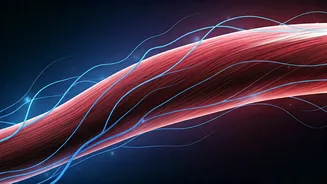
The benefits of recovery workouts aren't just a vibe; they're grounded in physiology. Intense exercise is a form of stress that activates your sympathetic nervous system (the 'fight-or-flight' response) and floods your body with the stress hormone cortisol. While this is necessary for adaptation, living in a constant state of 'fight-or-flight' leads to chronic inflammation, poor sleep, and a higher risk of injury. Recovery workouts do the opposite. They activate the parasympathetic nervous system, also known as the 'rest-and-digest' state. This shift helps lower your heart rate, reduce cortisol levels, and create an internal environment that is optimal for muscle repair and growth. Gentle movement also improves circulation, delivering oxygen-rich blood to tired muscles and flushing out metabolic waste products that contribute to soreness. In short, strategic recovery helps you reap the rewards of your hard workouts, faster and more effectively.
Your Recovery Starter Kit
Integrating recovery into your routine doesn't require a personal chef and a cryotherapy chamber. It's accessible to everyone. The key is to listen to your body and choose activities that feel good. On a day after a particularly tough workout, try a 20-minute mobility session focusing on your hips and shoulders. If you're feeling mentally fried, a 30-minute walk outside without your phone can be transformative. Restorative or Yin yoga classes are specifically designed to hold gentle poses for longer periods, releasing deep connective tissue. Even a simple 10-minute session with a foam roller while you watch TV can make a significant difference. You can also experiment with contrast showers—alternating between hot and cold water—to help stimulate blood flow. The best recovery workout is the one you’ll actually do, so start small and find what works for you.