



The Rainy Day Dilemma
Walking a dog in the rain is a masterclass in controlled chaos. First, there's the initial reluctance—yours and theirs. Then comes the walk itself, a hurried affair to get the job done. The real challenge, however, begins when you get back inside. Your
dog, now soaked to the bone, instinctively shakes, sending a fine mist of water, dirt, and that unmistakable wet-fur aroma across your floors, furniture, and walls. This is followed by the towel-down wrestling match, an effort that often leaves you with a still-damp dog and a pile of soggy laundry. It’s a frustrating cycle that can make a simple daily necessity feel like a monumental chore.
Why Microfibre is the Secret Weapon
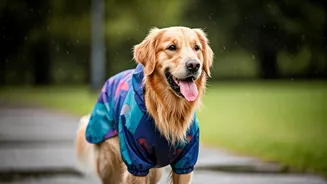
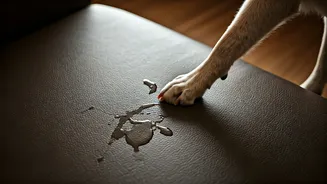
When you hear “microfibre,” you might think of cleaning cloths or super-absorbent towels. The same technology that makes those products effective is what makes microfibre an ideal material for a dog raincoat. Microfibre consists of ultra-fine synthetic fibers, typically a blend of polyester and polyamide, that are split into even smaller strands. This creates a massive surface area and a dense weave. For a raincoat, this means two things: it forms a formidable barrier against water droplets, encouraging them to bead up and roll off rather than soak in. And because the fibers are so fine, the fabric remains incredibly lightweight and breathable, ensuring your dog doesn't feel like they're wearing a heavy, restrictive tarp.
The Magic of 'Quick-Dry'
Here's where the “hassle-free” promise truly delivers. Unlike traditional cotton or heavy nylon coats that can stay soggy for hours, microfibre is engineered to shed water and dry at a remarkably fast pace. After a walk, you can give the coat a quick shake to dislodge most of the surface water. Hang it up, and it will often be completely dry in a fraction of the time of other materials. This is a huge advantage for two reasons. First, you don't have a dripping, musty dog coat hanging in your entryway or utility room for the rest of the day. Second, if you live in a climate with persistent drizzle, the coat will be ready to go for your dog’s next walk in just a few hours.
Key Features for a Perfect Fit
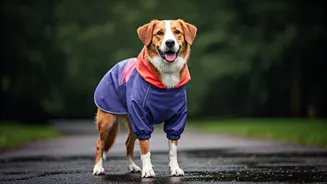
While the material is crucial, a great dog raincoat is more than just its fabric. To maximize comfort and effectiveness, look for a few key design elements. Full coverage is essential; a good coat should cover the dog’s back from neck to tail and also protect the chest and belly from splashes. Adjustable straps, often with simple buckle or velcro closures, are vital for a snug yet comfortable fit that prevents the coat from shifting or sliding. A dedicated leash portal or harness opening is another non-negotiable feature, allowing you to easily attach a leash without compromising the coat’s water resistance. Finally, for those gloomy days or evening walks, consider coats with reflective trim or piping for an added layer of safety and visibility.
Reclaiming Your Walks (and Your Floors)
Investing in a quality microfibre raincoat isn't just about keeping your dog dry. It's about changing your relationship with rainy weather. When you know that post-walk cleanup will be minimal, the prospect of heading out becomes far less daunting. Your dog stays more comfortable without being weighed down by a waterlogged coat, and you’re spared the extensive cleanup. It means less time spent mopping floors and laundering towels, and more time enjoying the simple pleasure of a walk with your companion, regardless of the weather. It transforms a source of stress into a manageable, and perhaps even enjoyable, part of your daily routine.