






Beyond the Restaurant Menu
For decades, the Indian food most Americans have known was a greatest-hits collection, largely drawn from North Indian, Mughlai, and Punjabi traditions. Think butter chicken, saag paneer, and tandoori everything. While undeniably delicious, this menu
represents just a tiny fraction of the subcontinent's staggering culinary diversity. India isn't a single food culture; it's a continent of them, with regional cuisines that change every hundred miles. The exciting shift happening now is a move away from this standardized offering and toward a celebration of that specificity. Chefs both in India and abroad are acting more like culinary archivists, digging into their own family histories and regional traditions to put dishes on the menu that were previously only found in home kitchens. It's a departure from the one-size-fits-all approach and a deep dive into the true taste of a place.
The Hyperlocal Harvest
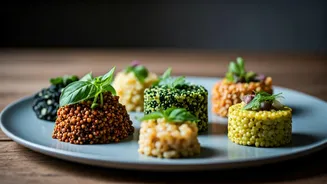
The farm-to-table ethos that redefined American dining is finding its own unique expression in India. Here, “hyperlocal” isn’t just about sourcing from a nearby farm; it’s about rediscovering ingredients that have been overlooked for generations. Ancient grains like millet, amaranth, and sorghum, once staples before being pushed aside by wheat and rice, are making a major comeback. These climate-resilient grains are not only sustainable but also packed with nutrients, offering earthy, nutty flavors that add new dimensions to classic dishes. Chefs are championing regional specialties like Manipuri black rice, pungent Bengali mustard greens (shorshe shaak), and tart kokum fruit from the Konkan coast. This movement is about showcasing terroir—the idea that a dish should taste of the specific soil and climate it comes from. It’s a celebration of ingredients that are unapologetically, authentically Indian, far from the generic spices found in a supermarket.
Health as Heritage, Not a Diet
The “healthy” aspect of this new wave isn’t about calorie-counting or bland diet food. Instead, it’s a return to traditional Indian wisdom, where food is seen as medicine and balance is key. This means moving away from the heavy use of cream and ghee that characterized much of restaurant-style cooking and embracing lighter techniques. Think more steaming, grilling, and stir-frying with minimal oil. The principles of Ayurveda, an ancient system of wellness, are also finding their way back onto modern plates, with an emphasis on seasonal eating, digestive health, and the use of healing spices like turmeric, ginger, and cardamom. It’s about nutrient-dense, plant-forward meals that leave you feeling energized, not overstuffed. This approach reclaims the everyday Indian home-cooking philosophy, which has always been inherently wholesome, and presents it in a refined, contemporary context.
Driven by a New Generation
So, who is driving this change? A huge part of the momentum comes from a new generation of Indian chefs and diners. Millennial and Gen Z Indians, connected globally via social media but fiercely proud of their local identity, are demanding more from their food. They’re curious about their grandmother’s recipes and the history of their region’s cuisine. They want food that is not only delicious but also tells a story, is sustainably sourced, and looks great on Instagram. This digitally-native generation is documenting hyper-regional dishes, celebrating local food heroes, and creating a new narrative around Indian food. This pride and curiosity are infectious, influencing menus in Mumbai, Delhi, and Bangalore, and increasingly, in cities like New York, London, and San Francisco, where the Indian diaspora is hungry for a taste of home that’s both nostalgic and new.