




The Pact Before the Plunge
It all starts with a shared, slightly naive enthusiasm. Travel with friends is sold as a highlight reel of shared sunsets and inside jokes. The idea of white-water rafting in the foothills of the Himalayas seems like the perfect addition. You make a pact.
'We'll be a team,' someone says. 'Paddle hard, stay in the boat.' The bravado is as thick as the humid air. But the first test begins before you even touch the water. Who forgot sunscreen? Who is already complaining about their helmet? Who is genuinely terrified but trying to hide it with forced jokes? The subtle cracks in group harmony appear as you size up your guide, a man whose calm demeanor feels both reassuring and slightly unnerving. He’s seen a thousand groups like yours, and he knows something you don't: the river doesn't care about your friendship. It only cares about gravity.
When 'Paddle Together' Gets Real
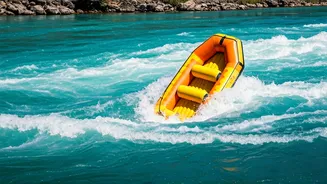
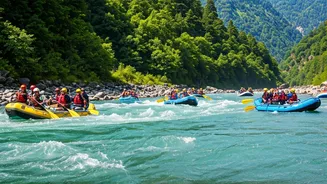
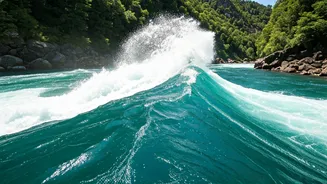
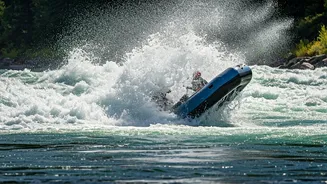
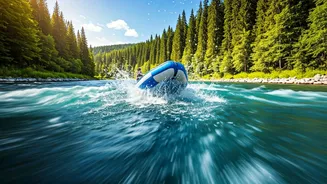
The first few minutes are deceptively calm. You practice paddling in unison, laughing as your oars clash. Then you hear it—a low rumble that grows into a roar. The guide shouts a rapid's name, something ominous like 'The Wall' or 'Three Blind Mice.' This is the moment the abstract concept of teamwork becomes a frantic, physical necessity. 'Paddle forward!' he screams. And the true test begins. In this chaos, personalities are stripped bare. The natural leader starts yelling commands, sometimes over the guide. The anxious one shrinks, their paddle barely skimming the surface. The surprisingly strong one digs in, becoming the silent engine of the boat. And there’s always one person who, overwhelmed by the spray and the tilting raft, simply stops paddling altogether. A glance across the boat reveals everything: who is a partner, who is a passenger, and who is dead weight. Resentment can flash quicker than the whitewater.
Navigating the Calm Stretches
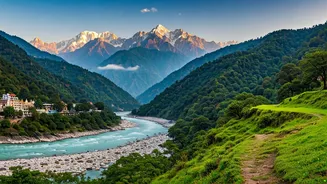
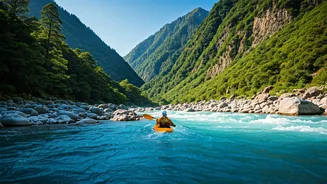
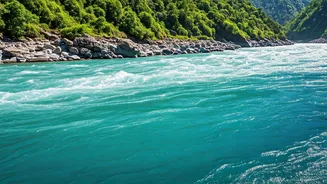
Just as revealing as the chaos are the moments of quiet that follow. After surviving a Class III rapid, the raft drifts into a serene, emerald-green pool. The adrenaline fades, leaving behind an awkward silence or a euphoric buzz. This is the interpersonal test. Can you reconnect after the stress? Or does the blame game begin? 'You were barely paddling back there,' one friend might mutter. 'Well, you almost knocked my tooth out with your oar,' another might retort. It’s in these lulls that you notice the stunning scenery—the forested hills, the distant temples—but you also have nothing to distract you from the strained vibes. True friendship is measured not just in how you weather the storm, but in how you regroup in the calm. Can you laugh it off, or does the tension linger, floating on the surface like a lost paddle?
Man Overboard, Friendship Intact?
It's the trip's most feared and most memorable moment: someone falls out. The cold shock of the glacial Ganges water is instant. As the head bobs to the surface, the group’s reaction is the ultimate diagnostic. Is it panic? Is it laughter? Is it a swift, coordinated rescue effort? A strong group works together. Hands reach out, the guide issues calm instructions, and the person is hauled back aboard, sputtering but safe, into a circle of concerned faces. A fractured group devolves. People scream, point, or freeze. The rescue becomes a clumsy, chaotic affair that leaves the swimmer feeling more abandoned than rescued. Being dunked in the Ganges is a baptism of sorts. When you’re back in the raft, shivering and gasping, you’ll know exactly how much your friends value your survival. The shared story of the 'great fall' can either become a legendary bonding moment or a bitter memory of incompetence and indifference.
The Shoreline Debrief
Finally, the raft bumps against the sandy shore at the end of the run. You clamber out, legs wobbly, every muscle aching. The feeling is pure, uncut exhilaration. You did it. You survived. As you sip sweet, hot chai from a tiny cup, the final judgment is passed. Some friendships are cemented on that river, forged stronger by the shared struggle and collective triumph. The shared glances say, 'We can do anything together.' Others are quietly, irrevocably broken. The annoyances and failures of the past two hours have exposed a fundamental incompatibility. The post-rafting silence is heavy with unspoken truths: we are not a team. You may have come to Rishikesh as friends looking for adventure, but you leave with a clear-eyed understanding of what your relationship is truly made of. The river always reveals the truth.