
It’s Not a Trend, It’s Tradition
Before “probiotic” was a wellness buzzword, it was simply… food. In India, the principles of nurturing gut flora have been woven into the culinary fabric for centuries. The concept wasn't discussed in scientific terms but was understood through the wisdom
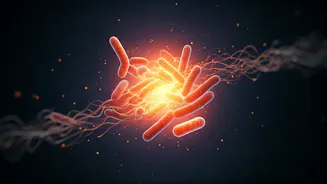
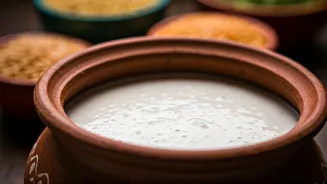
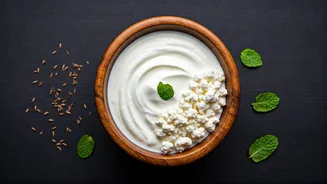
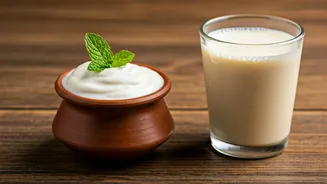
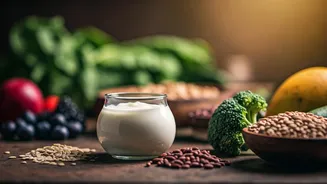
of tradition. The most ubiquitous example is dahi, or homemade yogurt (curd). Unlike many commercial yogurts in the West, traditional Indian dahi is made daily in millions of homes by adding a starter culture from the previous day's batch to warm milk. This simple act propagates a rich, diverse colony of live bacteria. It's not an additive; it's the soul of the dish. This tangy, cooling staple is often eaten at the end of a meal, intuitively acting as a digestive aid and a source of beneficial microbes long before science gave them a name.
Fermentation Is the Secret Weapon
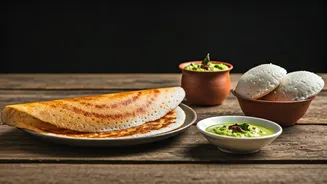
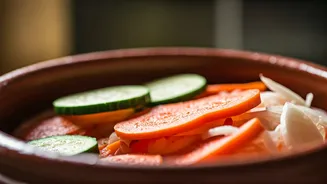
Beyond dahi, the Indian kitchen is a masterclass in fermentation. Take the beloved South Indian staples of idli and dosa. The batter for these savory rice cakes and crepes is made from a ground mixture of rice and lentils, which is then left to ferment overnight. This natural fermentation process does more than just make the idlis light and spongy; it enriches the batter with lactic acid bacteria, a powerhouse probiotic. The process also breaks down anti-nutrients in the grains, making minerals like iron and zinc more bioavailable. Similarly, traditional Indian pickles, known as achar, are often lacto-fermented, not just brined in vinegar. This method cultivates beneficial bacteria, turning a simple condiment into a probiotic-rich flavor bomb that aids digestion and preserves nutrients.
Don’t Forget the Prebiotics
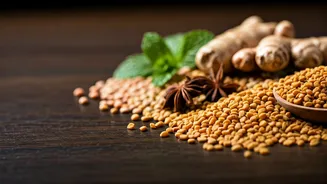
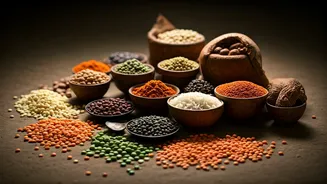
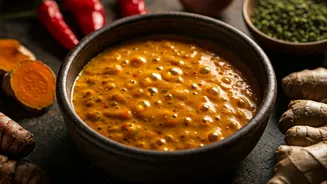
Probiotics are only half the story. These beneficial bacteria need food to thrive, and that’s where prebiotics come in. A traditional Indian diet is naturally flush with them. Prebiotics are types of dietary fiber that feed the friendly bacteria in your gut. Think of them as fertilizer for your internal garden. Indian cuisine is built on a foundation of prebiotic-rich ingredients: lentils and legumes (dal), whole grains, and a vast array of vegetables. Onions, garlic, and ginger—the holy trinity of many Indian base sauces (masalas)—are all excellent sources of prebiotic fiber. So when you eat a meal of dal, rice, and a vegetable stir-fry, you’re not just consuming a balanced meal; you’re delivering a perfect symbiotic package of fuel (prebiotics) for the good bacteria (probiotics) already in your system or being added via dahi or other fermented foods.
The Rebranding of Ancient Wisdom
So, if this is all so traditional, why is it dominating modern discussions? The answer lies in a cultural shift. As India’s urban population becomes more globally connected and health-conscious, there’s a growing movement to look inward and re-examine traditional practices through a scientific lens. The wellness vocabulary of the West—'gut microbiome,' 'probiotics,' 'superfoods'—is providing a new language to describe and validate the health benefits of foods that grandmothers have championed for generations. Nutritionists, doctors, and influencers in India are now explaining why dahi is good for you, citing its bacterial strains, or why fermented dosa is superior, referencing its bioavailability. It’s a powerful moment of cultural reclamation, where ancient dietary wisdom isn't being replaced by modern fads but rather reinforced and celebrated by modern science.