


Defining the “Vintage” Vibe
When young Indians talk about “vintage,” they aren’t just referring to bell-bottoms and disco shirts, though '70s Bollywood chic certainly has its place. The trend is more nuanced, a rich tapestry woven from personal history and national pride. It’s about rediscovering
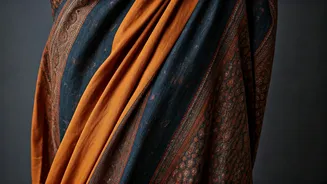
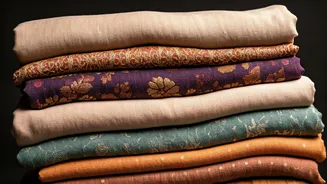
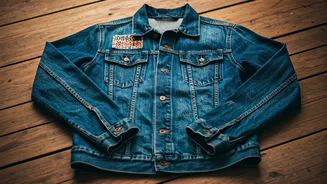
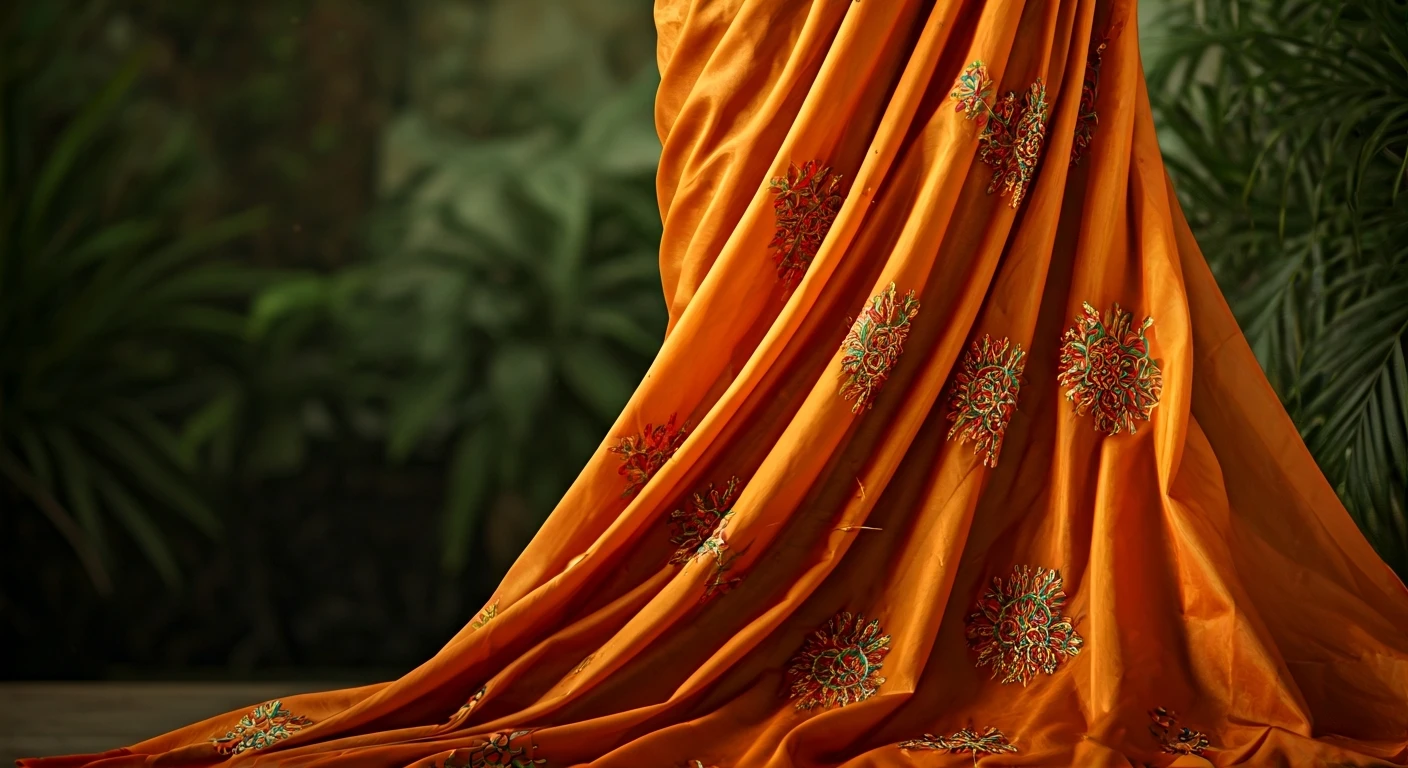
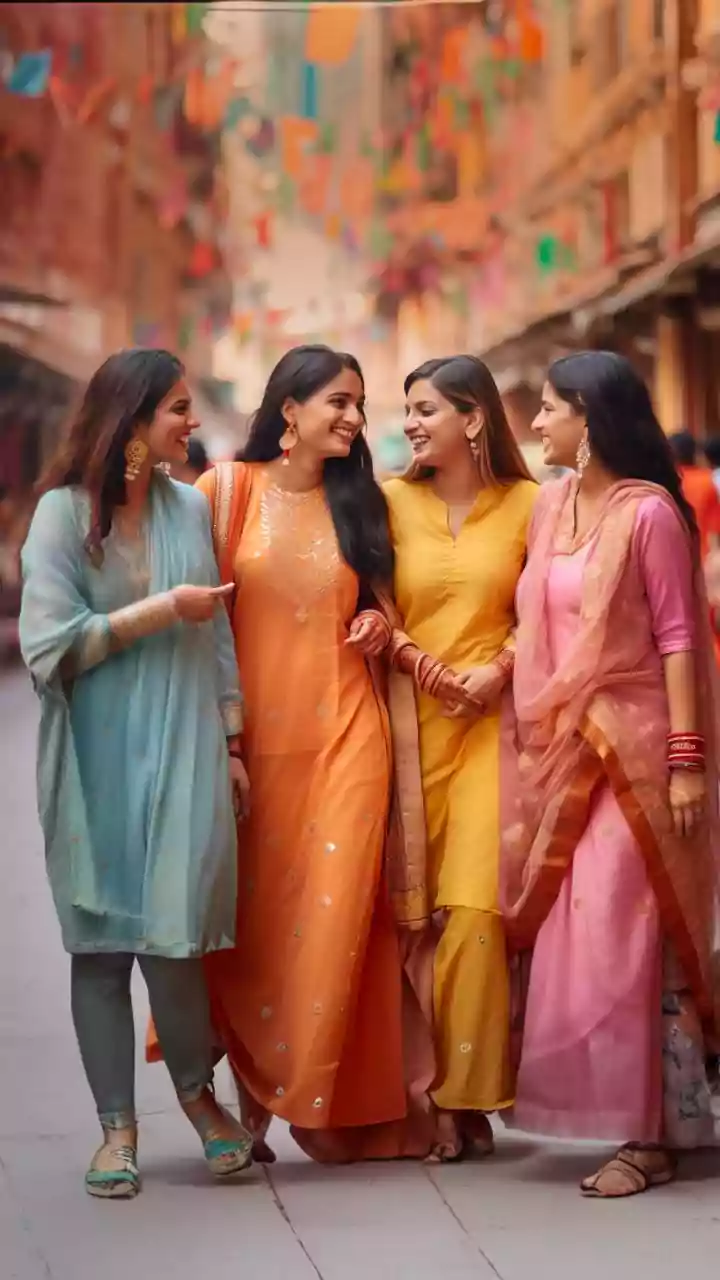
the quiet luxury of breathable handloom cottons, the delicate translucence of an organza saree worn for a casual brunch, and the sharp tailoring of high-waisted linen trousers that once belonged to a parent. It’s the Parsi-style Gara embroidery on a blouse paired with modern denim, or a simple, block-printed kurta that feels more authentic than anything off a factory line. This aesthetic pushes back against the Western image of Indian clothing as exclusively heavy, ornate, and occasion-based. Instead, it celebrates the everyday elegance of past decades, prioritizing comfort, craftsmanship, and a story.
A Conscious Push Against Fast Fashion
This sartorial shift is happening in the shadow of a global reckoning with fast fashion. For years, international giants like Zara and H&M dominated Indian malls, offering a steady diet of affordable, on-trend clothing. But Gen Z and young millennials are growing increasingly wary of the environmental and ethical costs. The vintage revival is their answer. It’s a movement powered by a burgeoning ecosystem of Instagram-based thrift stores, clothing swaps, and upcycling workshops. By choosing to “thrift” or “pre-love” an item, they are making a deliberate statement against hyper-consumption. Wearing a piece from a grandparent’s trunk isn’t just a style choice; it’s a sustainable act. This conscious consumerism aligns perfectly with a generation that is digitally informed about global issues and eager to align their purchasing power with their values.
The Power of Digital Nostalgia
Ironically, this look back at the past is being fueled by the most modern of tools: social media. Platforms like Instagram and TikTok are virtual archives where old family photos and stills from classic Indian cinema are reborn as “mood boards.” Influencers gain massive followings by recreating their mothers’ ‘90s salwar kameez looks or styling their grandmothers’ silk sarees in contemporary ways. A Reel showing someone draping a vintage saree can go viral, sparking a new appreciation for a garment that might have been gathering dust. This digital performance of nostalgia creates a powerful feedback loop. It validates the aesthetic, provides endless styling inspiration, and builds a community around a shared appreciation for a time when clothes were made to last. It’s less about a perfectly curated “old money” aesthetic and more about a joyful, personal exploration of one's own heritage.
A Search for Authentic Identity
At its heart, the embrace of vintage fashion is a search for authenticity in a rapidly globalizing world. For many young urban Indians, who grew up on a diet of American sitcoms and global brands, this trend is a way to connect with a distinct cultural identity that feels both personal and profound. It’s a quiet rebellion against the idea that “modern” must mean “Western.” By wearing clothes that connect them to their parents’ and grandparents’ lives, they are weaving their own stories into a larger family and national narrative. This isn't a rejection of modernity but a redefinition of it. It’s a declaration that one can be globally connected and deeply rooted at the same time, finding a unique sense of self by looking inward and backward, to the wardrobes that came before.