





More Than a Passing Trend
For years, Western engagement with Indian culture often felt surface-level—a blend of Hollywood-filtered spirituality, fast-fashion paisley, and a simplified vision of yoga. But a significant shift is underway. A growing number of Americans, particularly
younger generations, are moving past caricature and toward genuine curiosity. They’re seeking the 'why' behind the practices, the history behind the patterns, and the philosophy behind the poses. This isn’t about cultural appropriation for a fleeting aesthetic; it's about a search for substance in a world saturated with the superficial. It represents a turn toward traditions that have been honed over centuries, offering a sense of connection and depth that many feel is missing from modern life.
The Handcrafted Renaissance
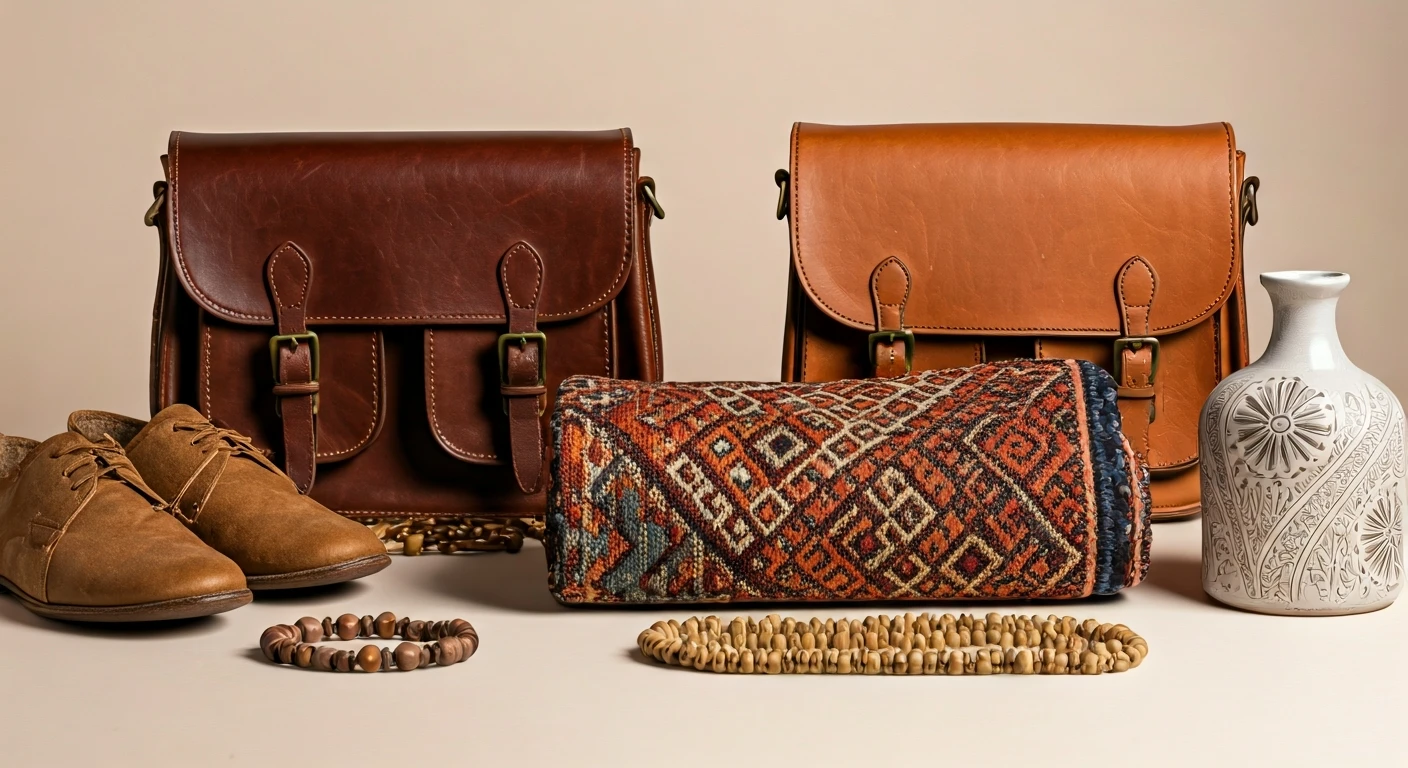
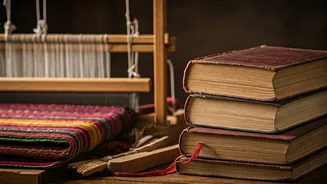
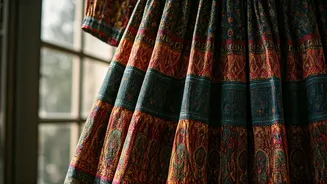
One of the most visible expressions of this new interest is in India’s vibrant textile and craft traditions. The effortless elegance of the sari, the intricate art of bandhani tie-dye, and the earthy appeal of block-printed fabrics are finding a devoted following on platforms like Instagram and Pinterest. Discerning consumers are turning away from mass-produced goods in favor of handmade items with a story. They are drawn to the ethical appeal of 'slow fashion' and the knowledge that they are supporting artisanal communities. This movement celebrates not just the final product but the skill, patience, and history woven into every thread. It’s a tangible connection to a legacy of craftsmanship that feels both luxurious and profoundly human.
Beyond the Yoga Mat
While yoga has been a mainstream American fitness staple for decades, the current trend is pushing beyond the physical postures (asanas). Newcomers are exploring the practice’s philosophical underpinnings—the Yoga Sutras of Patanjali, the concepts of mindfulness, and the breathing techniques (pranayama) designed for mental clarity, not just a good workout. Alongside this is a burgeoning interest in Ayurveda, India’s ancient system of holistic medicine. People are exploring Ayurvedic diets, herbal remedies, and lifestyle principles that aim to create balance between mind, body, and spirit. This isn't about replacing Western medicine, but complementing it with a personalized, preventative approach to wellness that feels both ancient and remarkably modern.
A Digital Bridge to the Past
Technology, ironically, is a primary driver of this reconnection with ancient heritage. Social media allows the Indian diaspora to share their culture with unprecedented reach, offering authentic glimpses into festivals, family traditions, and regional diversity that defy monolithic stereotypes. Digital archives and platforms like Google Arts & Culture provide virtual tours of UNESCO World Heritage sites, from the cave temples of Ajanta and Ellora to the grand palaces of Rajasthan, making them accessible to anyone with an internet connection. This digital access demystifies the culture and sparks curiosity, encouraging deeper learning and, for many, inspiring future travel plans to experience these wonders firsthand.
The Search for Meaningful Connection
Ultimately, this growing fascination with India's heritage speaks to a broader cultural yearning in the United States. In an era of digital burnout, political polarization, and environmental anxiety, many are searching for sources of stability, wisdom, and authenticity. The enduring philosophies, the commitment to craft, and the deep-rooted community traditions of India offer a compelling alternative to the relentless pace of Western life. This interest is less about exoticism and more about finding shared human values—the desire for beauty, the pursuit of inner peace, and the need to feel connected to something larger and more lasting than oneself.