


Why We're Craving Nature Indoors
This isn't just about aesthetics; it's about psychology. The trend taps into 'biophilic design,' the idea that humans have an innate need to connect with nature. After years of spending more time at home, we're seeking to create sanctuaries that feel
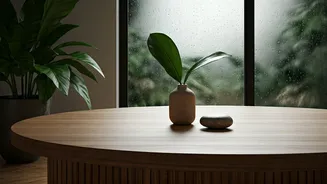
restorative and calming. The stark, cold minimalism of the past is giving way to a cozier, more organic feel that soothes the senses. A home filled with natural elements feels like a refuge from a chaotic, digitally-saturated world. The organic shapes of leaves and the unique grain of wood provide visual relief from the straight lines and smooth screens that dominate our daily lives. This design ethos isn't about creating a perfect showroom; it's about crafting an environment that genuinely makes you feel better.
Start with Strategic Greenery
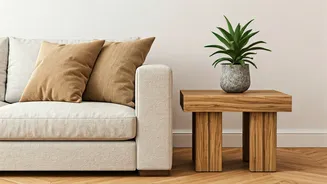
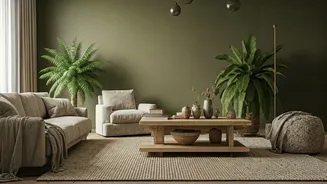
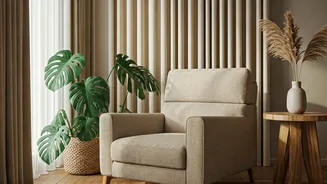
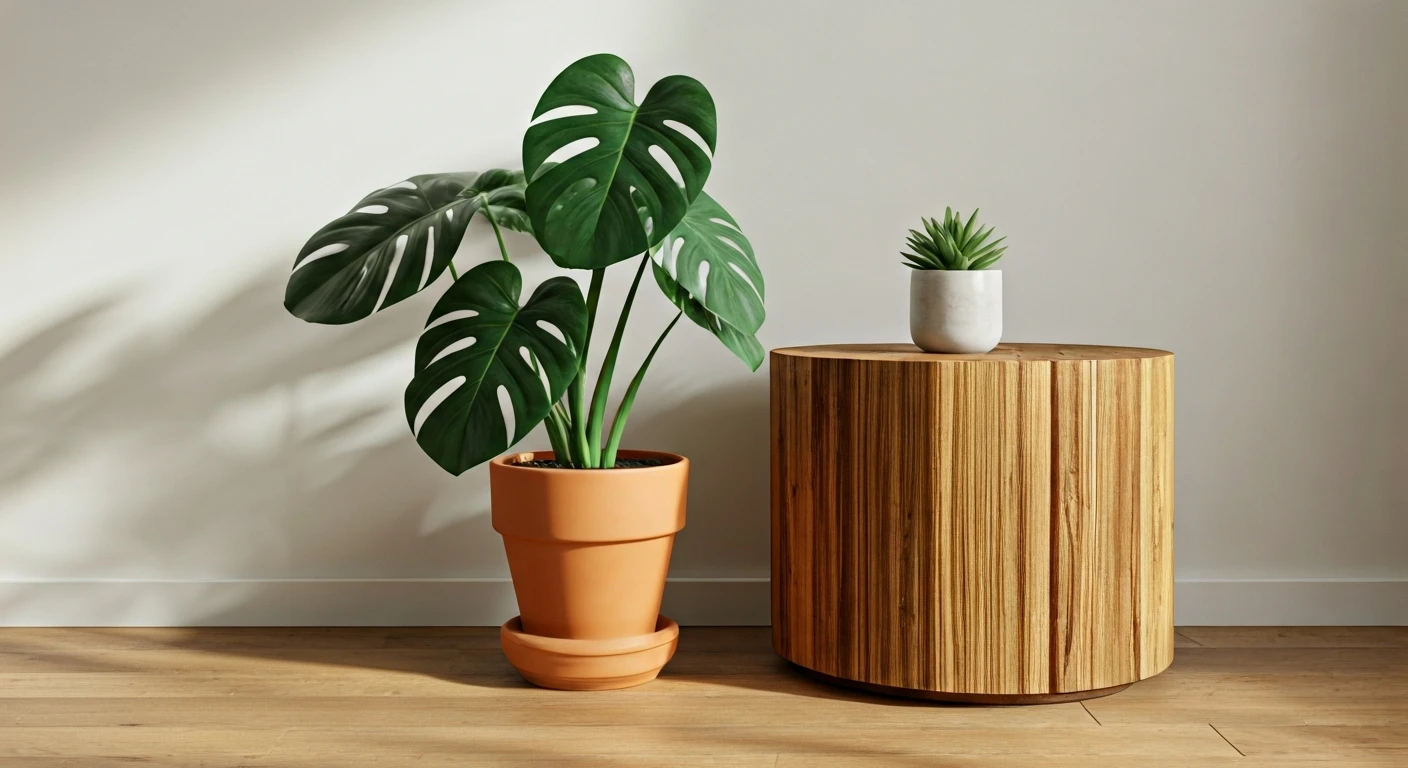
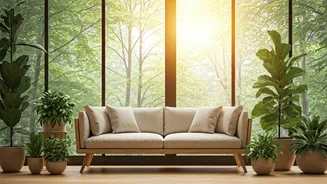
Bringing plants indoors is the most direct way to embrace this trend. But instead of just grabbing a random succulent, think like a designer. Vary the scale and placement to create 'green moments' throughout your home. A tall fiddle-leaf fig or a bird of paradise can anchor the corner of a living room, acting as a living sculpture. A collection of smaller plants, like snake plants, ZZ plants, and pothos, can be grouped on a bookshelf or a console table to create a lush vignette. Consider how plants interact with your space. A trailing ivy cascading from a high shelf draws the eye upward, while a low, broad fern can fill an empty space with soft texture. Don't forget the pots—terracotta, ceramic, and stone planters add another layer of natural texture.
Choosing the Right Wood Tones
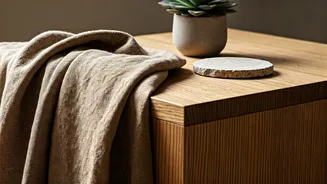
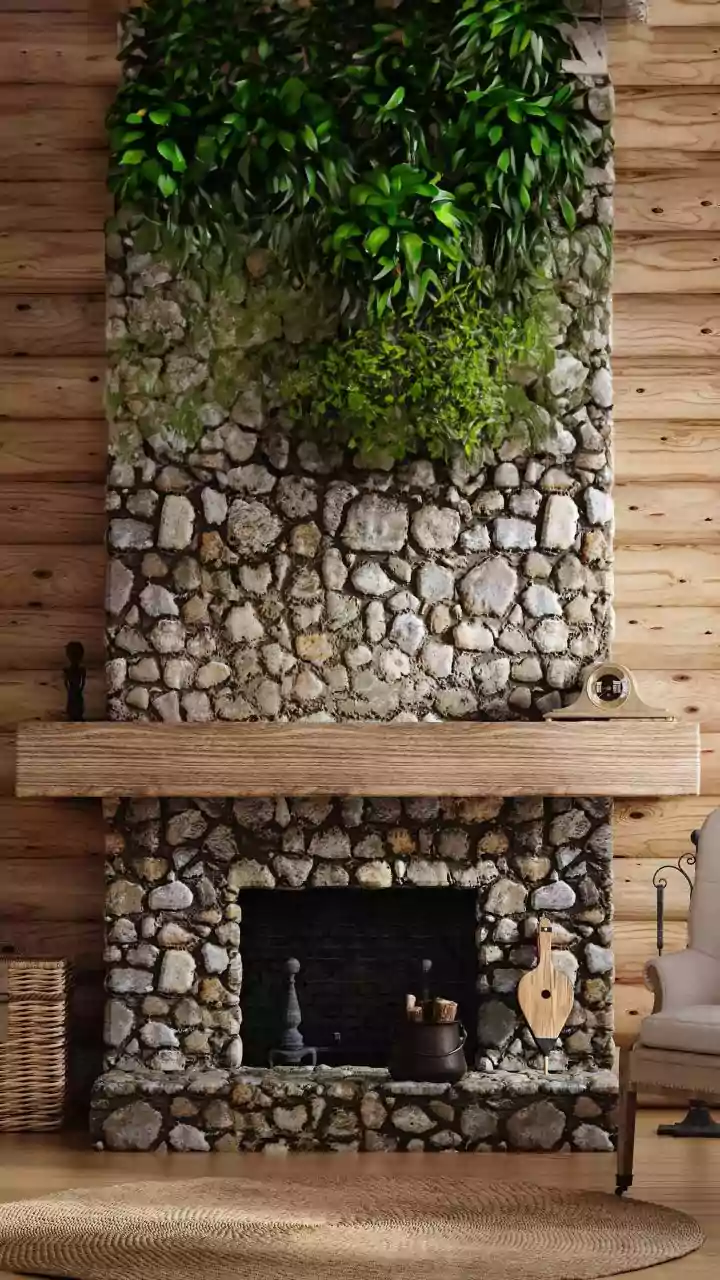
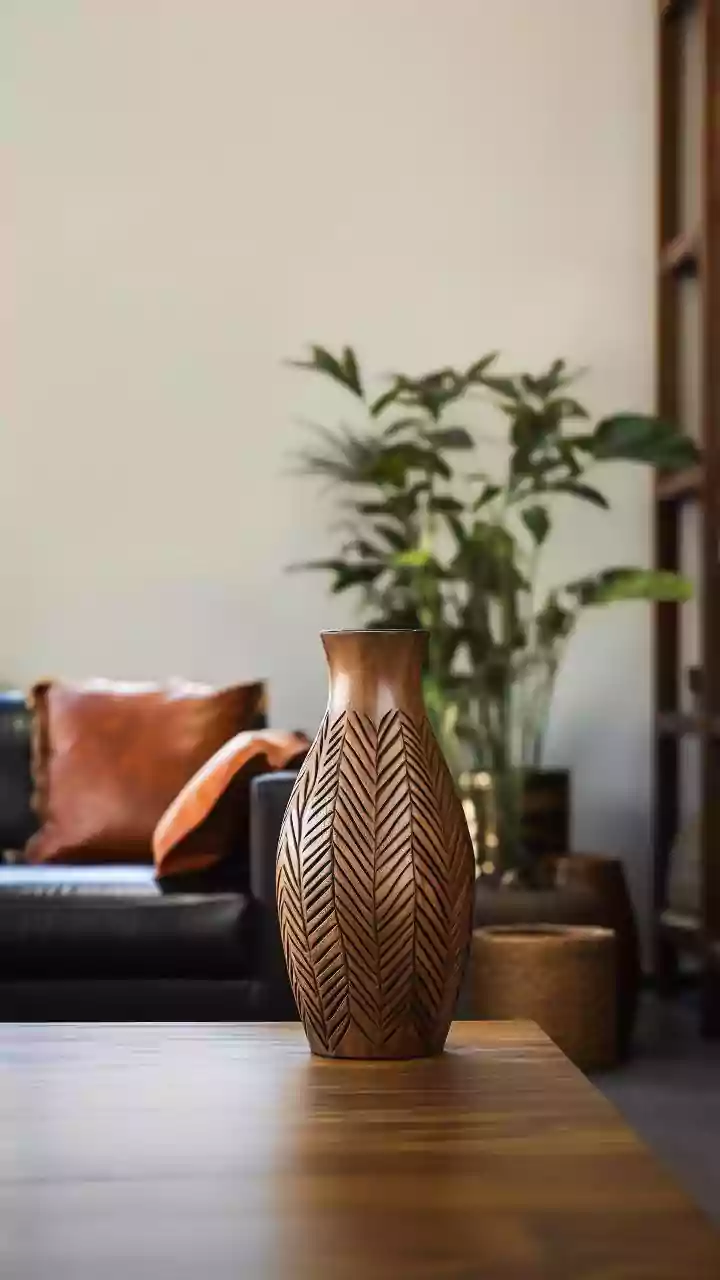
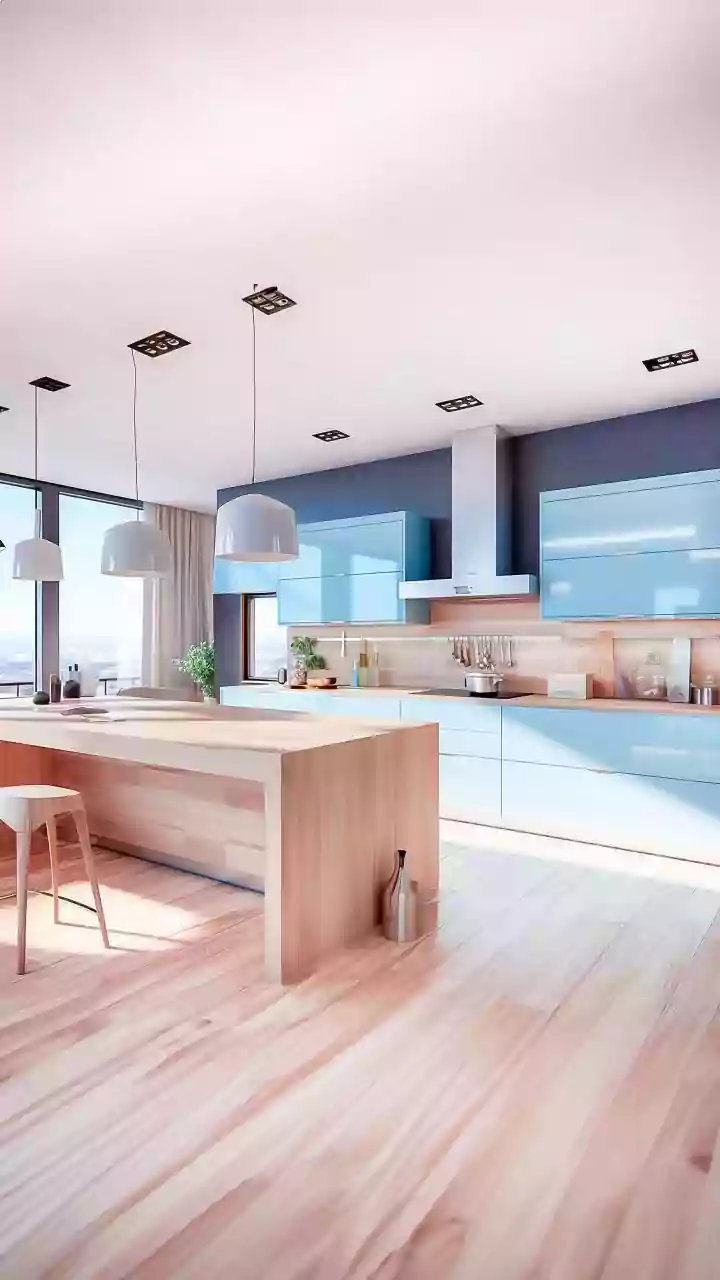
Wood is the other half of this powerful duo, providing a warm, solid foundation for the greenery. The key is choosing tones that fit your desired mood. Light woods like white oak, ash, and maple are staples of Scandinavian and Japandi design, creating an airy, open, and minimalist feel. They are perfect for flooring, coffee tables, and dining sets in spaces where you want to maximize light. On the other end of the spectrum, richer, darker woods like walnut and acacia bring a sense of drama, sophistication, and mid-century modern heritage. A walnut media console or headboard can be a stunning focal point. Don't be afraid to mix wood tones, but stick to a similar undertone (warm with warm, cool with cool) for a cohesive look. Reclaimed or live-edge wood pieces are also fantastic for adding rustic character and a one-of-a-kind story to your space.
Layer in Complementary Textures
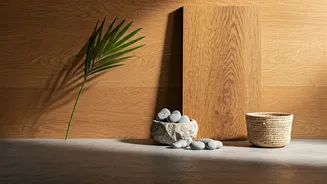
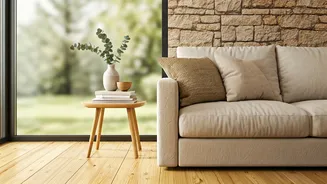
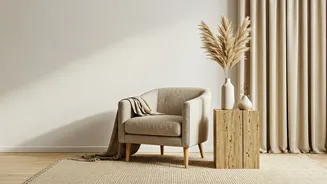
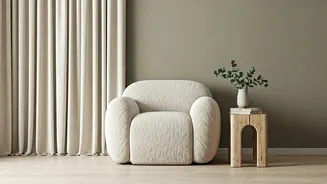
To truly nail the earthy, organic vibe, you need to think beyond just plants and wood. Texture is what makes a room feel complete, cozy, and inviting. Layering in other natural materials will elevate the entire space. Think about textiles first: swap synthetic fabrics for linen curtains, chunky wool throws, and cotton cushion covers. Underfoot, a jute, sisal, or wool rug can define a space while adding a dose of natural, tactile warmth. Wicker, rattan, and cane are also having a major moment. A rattan accent chair, a wicker basket for plant pots, or a cane-front cabinet adds a touch of bohemian-inspired texture that pairs beautifully with both the plants and the wood.
Putting It All Together
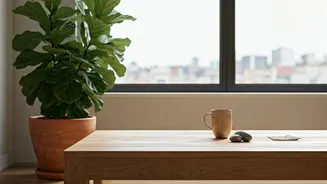
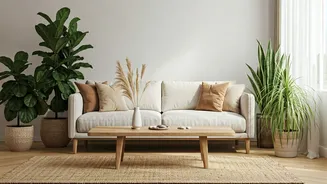
The beauty of this trend is its flexibility. You can go all-in or start small. For a living room, imagine a light oak coffee table topped with a few small ceramic pots, a large monstera plant in a corner by the window, and a comfortable sofa draped with a linen throw. In a bedroom, a simple walnut headboard can be flanked by two small hanging plants, creating a serene and symmetrical look. Even a small entryway can benefit: place a wooden bench beneath a round mirror and add a single snake plant in a textured pot. The goal is to create balance. The solid, grounding presence of the wood anchors the wild, living energy of the plants, resulting in a space that feels both dynamic and peaceful.