


The Unmistakable Taste of Home
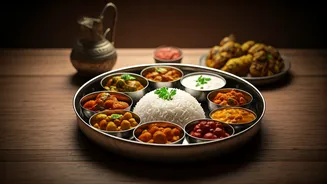
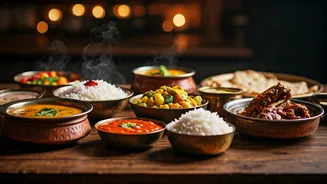
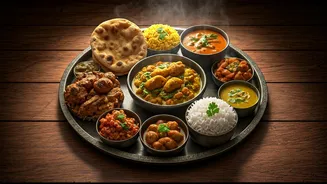
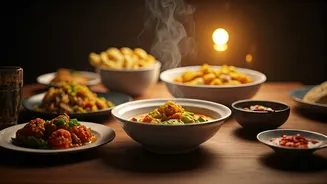
Translated from Hindi, “ghar ka khana” simply means “home’s food.” But its meaning runs much deeper. It’s the opposite of restaurant fare, which is often rich, heavy, and designed to impress. Ghar ka khana is the simple, everyday nourishment of dal, sabzi
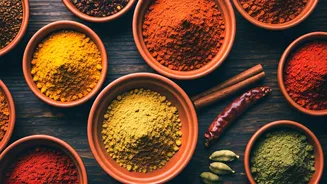
(vegetables), and roti. It’s the distinct flavor of your own family’s spice blend, the comforting aroma that fills the kitchen, and the taste of a specific region—a grandmother’s Bengali fish curry or a mother’s Punjabi rajma. This is food as an expression of care, an edible link to family and heritage. For first- and second-generation immigrants, it’s a sensory cure for homesickness, a tangible connection to a place and people thousands of miles away. It’s the baseline against which all other food is measured, the ultimate comfort that no five-star restaurant can replicate.
From Daily Ritual to Weekend Project
For previous generations, preparing ghar ka khana was a daily, non-negotiable ritual. But for many South Asians in the U.S. today, the rhythm of life has changed. Long commutes, demanding careers, and the pressure to juggle work, family, and social obligations leave little time or energy for the multi-step process of traditional cooking during the week. The weekday becomes about survival: quick pastas, frozen meals, or takeout. The deep, slow-cooked flavors of home are relegated to the weekend. This shift has transformed home cooking from a daily chore into a deliberate act of cultural preservation. The weekend is now the designated time to reconnect with the kitchen, to chop, to simmer, and to recreate the dishes that define a part of who you are. It’s no longer just dinner; it’s an event.
The New Weekend Food Scene
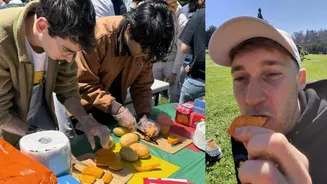
This craving for authentic home cooking has sparked a vibrant cottage industry, creating new ways for people to find their fix. Across the country, a new ecosystem has emerged to fill the void. Home cooks are starting weekend-only tiffin or subscription services, delivering boxes of homestyle meals for the week ahead. Ambitious foodies host intimate supper clubs in their apartments, showcasing hyper-regional cuisines that are impossible to find in restaurants. Social media groups buzz with announcements of pop-up food stalls where someone is selling their family’s signature biryani or kebabs for one day only. These ventures are more than just businesses; they are community hubs. They connect people who miss the same specific dishes and provide a platform for talented home cooks—often women—to share their skills and earn an income. Attending a pop-up or ordering from a local tiffin service has become a weekend plan in itself, a delicious treasure hunt for an authentic taste of home.
More Than Just a Meal
At its heart, this trend is about identity. In a country where assimilation can often feel like erasure, food is a powerful anchor. Making or seeking out ghar ka khana is a way of saying, “This is where I come from, and this is what it tastes like.” It’s a way for parents to pass down heritage to children who may not speak their ancestral language but can learn to love its flavors. It’s a social adhesive, bringing friends together for marathon cooking sessions where they trade recipes and stories, turning a chore into a cherished gathering. In a fast-paced, individualistic society, the communal act of preparing and sharing these meals combats loneliness and forges a sense of belonging. It’s a delicious act of defiance against the pressure to homogenize, a way of carving out space for cultural specificity in the American landscape.