


1. Kanji: The Tangy Probiotic Tonic
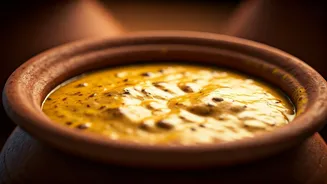
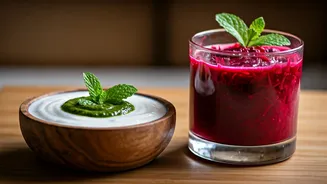
Imagine a savory, tangy, and deeply purple beverage that’s as good for your gut as it is startlingly delicious. That’s Kanji. Traditionally made in North India to coincide with the Holi festival, this fermented drink is a digestive powerhouse. The most
popular version uses black carrots, which give it a stunning, vibrant color, but it can also be made with beets. The carrots are submerged in water with mustard seeds, salt, and sometimes a hint of chili. Over a few days in the sun, the mixture naturally ferments, creating a live brew brimming with lactobacillus bacteria. It’s essentially India’s answer to kombucha, but with a savory, mustardy kick. It’s served chilled and is known for its cooling properties and ability to aid digestion after a heavy meal.
2. Dahi: Not Your Average Yogurt
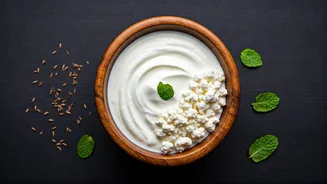
Sure, you’ve had yogurt. But have you had traditional, homemade Dahi? In India, Dahi is a cornerstone of daily life, and it’s culturally distinct from the often-sweetened Greek yogurt popular in the States. True Dahi is made by introducing a small amount of live culture (a spoonful from a previous batch) into warm milk and letting it set for several hours. This process cultivates a unique blend of bacterial strains that can be more diverse than commercial products. The result is a mildly tart, jiggly curd that’s used in everything: blended into a refreshing lassi, mixed with spices to make raita, or simply eaten with a sprinkle of sugar. It’s the original probiotic delivery system, foundational to Indian cuisine and wellness.
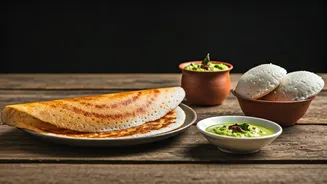
3. Fermented Idli and Dosa Batter
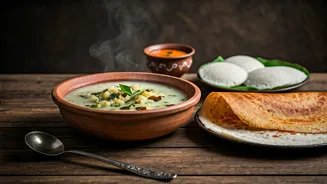
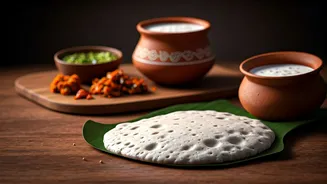
If you’ve ever enjoyed the spongy, steamed cakes (idli) or crispy, savory crepes (dosa) at an Indian restaurant, you’ve experienced the magic of fermented batter. The genius here is in the preparation. A simple paste of soaked rice and lentils is left to ferment overnight. During this time, wild yeasts and bacteria go to work, breaking down the starches and proteins. This not only creates the batter’s characteristic tangy flavor and airy texture but also supercharges its nutritional value. The fermentation process increases the bioavailability of nutrients like B vitamins and iron while populating the batter with gut-friendly probiotics. It’s a perfect example of how a traditional food technique turns humble ingredients into a digestive superfood.
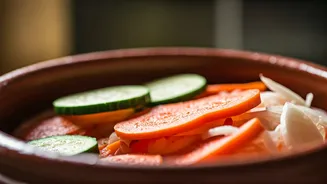
4. Achaar: The Real Fermented Pickle
Forget the vinegar-soaked cucumbers you find in a jar at the supermarket. Traditional Indian pickle, or Achaar, is a world of its own. While some modern versions use vinegar, the most prized and healthful Achaars are lacto-fermented. Fruits or vegetables—like mango, lime, or chili—are mixed with salt and a complex blend of spices, then packed in oil and left to cure in the sun. The salt draws out water, creating a brine where beneficial lactobacillus bacteria thrive, slowly breaking down the ingredients. This process not only preserves the pickle but also creates an intensely flavored, umami-rich condiment that is teeming with probiotics. A small spoonful is all you need to electrify a meal of rice and lentils.
5. Pakhala Bhata: Humble Rice, Supercharged
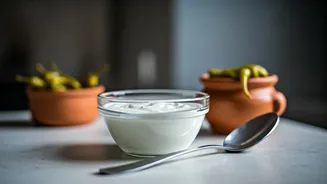
This dish from the eastern state of Odisha is perhaps the most surprising entry on the list, representing the pinnacle of simple, rustic wellness. Pakhala Bhata is, at its core, leftover cooked rice that is soaked in water and left to ferment overnight. By morning, the humble rice water has transformed into a slightly sour, mildly effervescent, and probiotic-rich gruel. It's traditionally eaten by farmers to cool the body and provide sustained energy during hot days. While it might sound unusual, the fermentation process makes the rice easier to digest and unlocks nutrients. Often served with roasted vegetables, fried fish, or potatoes, Pakhala Bhata is a testament to the resourcefulness and innate wisdom of traditional food cultures.