





Beyond the Buzzword: What Is It?
At its core, personalised nutrition is the opposite of a generic food pyramid or a fad diet book. Instead of telling everyone to eat the same way, it uses information about your individual biology to create dietary recommendations tailored specifically
to you. The goal is to optimize your health, manage chronic conditions, or improve performance by understanding how your body uniquely processes food. Think of it as moving from off-the-rack wellness advice to a completely bespoke suit. The plan for your neighbor, who thrives on carbs, might be completely different from yours if your body handles fats better. This approach rejects the idea of 'good' and 'bad' foods for everyone, focusing instead on what’s optimal for one person: you.
The Data-Driven Dinner Plate
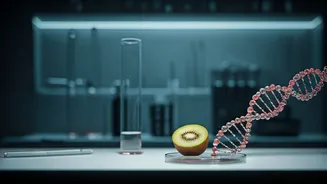
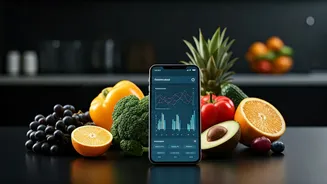
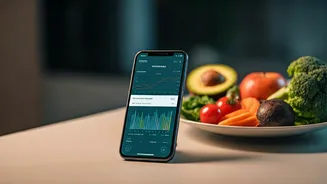
So, how does it work? This isn't just about a questionnaire on your food preferences. The trend is fueled by accessible technology that gives us a peek under the hood. The most common tools include: - **DNA Tests:** Services like 23andMe or AncestryHealth analyze your genetic predispositions. They might flag a genetic variant that makes you more sensitive to caffeine or less efficient at processing certain vitamins, like folate. - **Microbiome Analysis:** Companies such as Viome or Zoe analyze a stool sample to map the trillions of bacteria in your gut. The theory is that your unique gut microbiome influences how you digest food and absorb nutrients, and feeding it the right things can reduce inflammation and improve overall health. - **Blood and Biomarker Tracking:** Wearables like the Apple Watch or Oura Ring track sleep, activity, and heart rate, while continuous glucose monitors (CGMs) show how your blood sugar responds to specific meals in real-time. Other services, like InsideTracker, use blood tests to measure levels of vitamins, hormones, and inflammatory markers to guide food and supplement choices.
The Allure of a Custom-Fit Life
The rise of personalised nutrition isn't happening in a vacuum. We're living in an era of data-driven everything, from our Netflix recommendations to our Spotify playlists. Why should our health be any different? Many Americans are frustrated with conflicting, one-size-fits-all health advice that often leads to yo-yo dieting and confusion. Personalised nutrition offers a compelling alternative: a sense of control and a clear, data-backed path forward. It taps into our desire for self-knowledge and empowerment. Instead of blindly following a diet rule, you get to see the data for yourself—watching your own blood sugar spike after a bowl of oatmeal, for instance, can be far more motivating than a generic warning about processed grains.
The Science vs. The Hype
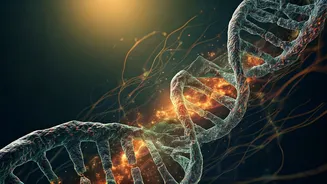
Here’s the important reality check: while the concept is powerful, the science is still playing catch-up. Nutrigenomics—the study of how genes affect nutrition—is a legitimate and promising field. We know, for example, about specific genetic conditions like lactose intolerance. However, for many other diet-related traits, the link between a single gene and a clear dietary recommendation is weak. Dozens or even hundreds of genes might have a small effect, making a simple 'eat this, not that' prescription based on a DNA test an oversimplification. Microbiome science is even earlier in its development. While researchers agree it's incredibly important, they are still working to understand exactly what a 'healthy' microbiome looks like and how to reliably change it with diet. Many of the recommendations from today's services are based on emerging patterns, not ironclad scientific consensus. The insights can be fascinating, but they should be seen as experimental guidance rather than medical doctrine.