





The New 'Why' for What We Eat
For decades, Indian food in the U.S. was largely defined by a handful of rich, decadent dishes: creamy chicken tikka masala, buttery naan, and deep-fried samosas. It was celebratory, comforting, and often reserved for a weekend splurge. But a significant
shift is underway. As Americans become more fluent in the language of wellness—seeking out 'functional foods' that do more than just fill a stomach—Indian cuisine is being rediscovered through a new lens. The driving question is no longer just, 'Does it taste good?' but 'How will it make me feel?' This move toward intentional eating is repositioning Indian food in the American diet. It’s no longer just about indulgence; it's about optimization. Consumers, particularly millennials and Gen Z, are looking for meals that power their afternoons without the dreaded 3 p.m. crash, and they’re finding the answer in the nuanced, spice-driven world of Indian cooking.
Beyond the Buffet Mentality
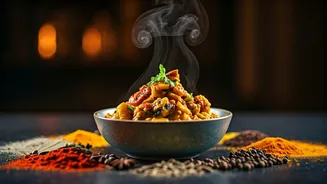
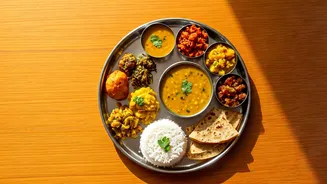
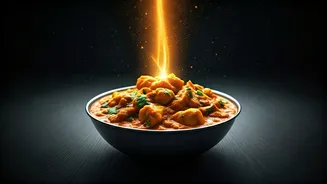
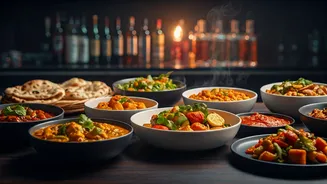
This trend represents a departure from the all-you-can-eat buffet stereotype that long dominated perceptions of Indian dining. The focus is shifting from heavy, cream-laden Mughlai-style dishes to the lighter, vegetable- and lentil-forward fare that makes up daily eating across the subcontinent. Think less about a food coma and more about sustained vitality. The new heroes of the menu are dishes like dal (lentil soup), which provides slow-release carbohydrates and plant-based protein for lasting energy; khichdi, a simple rice and lentil porridge known for being easily digestible and restorative; and lightly stir-fried vegetable sabzis, seasoned with a complex array of spices. This isn't a rejection of flavor. Instead, it’s an embrace of a different kind of culinary satisfaction—one that leaves you feeling invigorated and sharp, not weighed down.
Ancient Wisdom, Modern Language
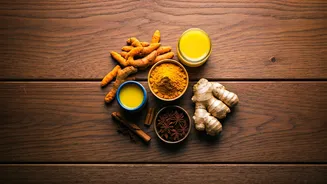
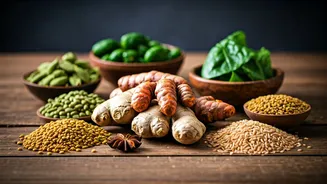
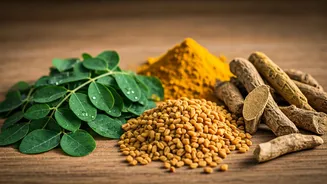
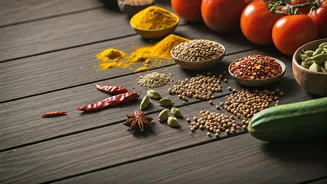
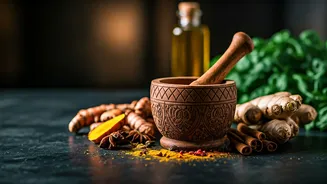
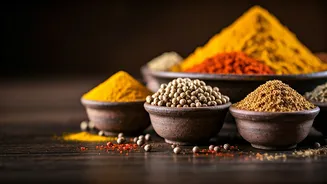
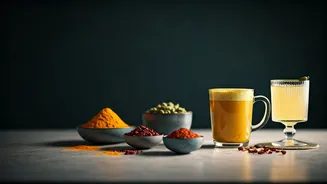
What feels like a modern wellness hack is, in reality, rooted in thousands of years of tradition. Many of these food choices align with the principles of Ayurveda, the ancient Indian system of medicine that views food as a primary tool for maintaining physical and mental balance. Concepts that are now buzzwords in the U.S. wellness scene—like eating seasonally, using adaptogenic herbs, and understanding the 'heating' or 'cooling' properties of ingredients—are foundational to Ayurvedic cooking. Spices aren't just for flavor; they're functional. Turmeric is prized for its anti-inflammatory properties, ginger is a digestive aid, cardamom is believed to improve alertness, and ashwagandha (a root often added to drinks or powders) is a celebrated adaptogen used to combat stress. Today’s consumers may not be studying ancient texts, but they are intuitively grasping the core idea: the spice rack is a medicine cabinet, and the kitchen can be a source of vitality.
What This Looks Like on the Plate
This trend is visible everywhere from trendy cafes to home kitchens. Turmeric lattes, or 'golden milk,' have become a staple, offering an anti-inflammatory boost without the jitters of coffee. Fast-casual restaurants are gaining popularity by offering customizable bowls built on bases like quinoa or brown rice, topped with lean proteins like grilled chicken or chickpeas, and finished with flavorful, low-oil sauces and chutneys. Home cooks are exploring regional Indian cuisines that are naturally lighter, like South Indian dishes that rely on fermented batters, coconut, and tamarind. It’s about being selective and smart. It might mean choosing a whole-wheat roti over a butter naan, opting for a tandoori-grilled protein instead of a creamy korma, and loading up on the side of cooling cucumber raita. The goal is to harness the cuisine's power, building a plate that is as nourishing for the brain as it is pleasing to the palate.