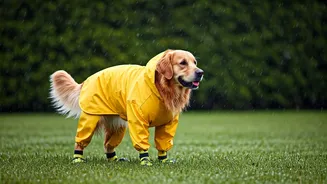


It’s More Than Just Dirt
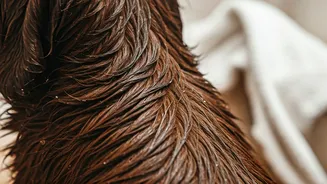
That caked-on mud isn’t just an aesthetic problem; it’s a perfect breeding ground for trouble. Damp, dirty fur trapped against your pet’s skin creates an ideal environment for bacteria and yeast to thrive, leading to painful skin infections often called
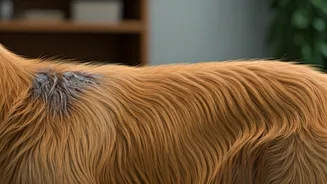
“hot spots.” Mud can also hide nasty surprises like ticks, thorns, or sharp pebbles that can cause injury. Furthermore, when mud dries, it can turn soft fur into hard, uncomfortable clumps, pulling at the skin and leading to painful mats that restrict movement and airflow. Viewing grooming as preventative healthcare, rather than just cleaning, is the first step to navigating the season successfully.
1. Master the Paw Patrol
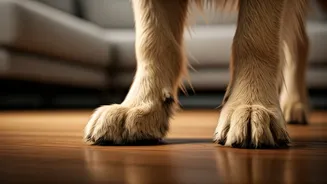
Your pet’s paws are ground zero for mud accumulation. Make a post-walk paw cleaning a non-negotiable routine. Keep a designated “mud station” by the door with a shallow tub of lukewarm water and a stack of old towels. Gently dip each paw, swishing to loosen debris, and then dry thoroughly, especially between the toes. This daily check is your chance to inspect for cuts, cracked pads, or anything lodged between their digits. For pets with long fur, trimming the hair around their paws can significantly reduce the amount of mud they track in and make cleaning much easier.
2. Choose the Right Tools
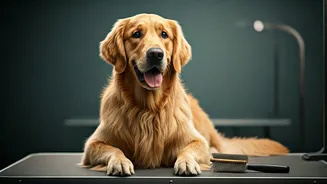
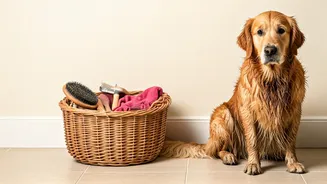
A simple towel won’t cut it against serious mud. Your grooming kit needs an upgrade. A high-absorbency microfiber towel is your best friend for wicking away moisture quickly. For brushing, a slicker brush is excellent for removing surface debris and tangles from most coat types, while a metal “greyhound” comb can help you work through deeper knots. For double-coated breeds like retrievers or huskies, an undercoat rake can help remove the damp, compacted fur that a normal brush might miss. Don't attack mats with scissors—it’s incredibly easy to cut your pet’s skin. Instead, use a comb and a detangling spray to gently work the knot out.
3. Bathe Smarter, Not Harder
While you might be tempted to bathe your dog after every muddy walk, over-bathing can strip their skin of natural oils, leading to dryness and irritation. Unless they’ve taken a full-body mud dive, focus on spot cleaning. If a full bath is unavoidable, use a gentle, moisturizing dog-specific shampoo. Human shampoo has the wrong pH and can be harmful. Always rinse thoroughly, as leftover soap residue is a common cause of skin irritation. Most importantly, ensure your pet is completely dry afterward. A damp coat is a welcome mat for fungal and bacterial growth.
4. The Power of a Professional Groom
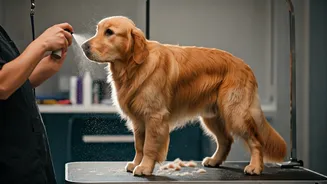
Think of a professional groomer as your seasonal ally. A pre-mud-season visit can set your pet up for success. Ask the groomer for a “sanitary trim” or a “poodle foot” (shaving paws clean), even for non-poodle breeds. This keeps the areas most likely to get soiled—paws, belly, and rear end—short and easy to clean. A professional can also safely tackle any existing mats and give your pet a haircut that’s more manageable for the season. They have the specialized tools, like high-velocity dryers, that can get a thick, double-coated dog bone-dry in a way that’s nearly impossible to achieve at home.