






From Field to Faucet: The Water Problem
It’s a simple equation that underpins our entire food system: plants need water to grow. While that sounds obvious, the source of that water is critical. Many agricultural powerhouses, like California’s Central Valley and the Great Plains, rely on a delicate
balance of seasonal rainfall, snowpack melt, and vast reservoir systems. When 'weak rains' become a pattern—think less winter snow and drier-than-usual spring and summer months—that balance is thrown off. Farmers face a direct challenge. For 'rain-fed' crops like corn and soybeans in the Midwest, insufficient rain means lower yields, plain and simple. For irrigated crops common in the West, like almonds, lettuce, and tomatoes, it means the cost of water itself skyrockets as reservoirs dwindle and allocations are cut, forcing farmers to pay more for a critical input or leave fields unplanted altogether.
The Drought Hotspots to Watch
Not all rain (or lack thereof) is created equal. The impact on your grocery bill depends entirely on where the drought is happening. A dry spell in California, the nation's sole producer of almonds, walnuts, and olives, and a dominant force in produce like lettuce, strawberries, and avocados, has an outsized effect on the produce aisle. Meanwhile, weak rains across the Southern Plains of Texas, Oklahoma, and Kansas hit the cattle industry hard. These regions are home to vast herds that graze on pastureland. During a drought, the grass withers, forcing ranchers into a tough choice: either pay exorbitant prices for hay and other feed (whose prices are also driven up by drought) or shrink their herds by sending more cattle to slaughter. This can create a temporary dip in beef prices, followed by a sharp, sustained increase as the national cattle supply dwindles for years to come.
Tracing the Price Hike to Your Cart
The journey from a dry field to a higher price tag at checkout isn’t instantaneous, but it is predictable. It starts with the farmer's increased costs. Whether it's paying for expensive water, pricier animal feed, or simply harvesting a much smaller crop from the same acreage, the fundamental cost of producing that food item goes up. These costs are then passed along the supply chain. The distributor pays more to the farmer, the food processor pays more to the distributor, and eventually, the supermarket pays more to the processor. By the time that head of lettuce or steak package arrives at your local store, the price has absorbed multiple increases along the way. It's a domino effect where the first domino is a raindrop that never fell.
Which Aisles Will Feel the Pinch?
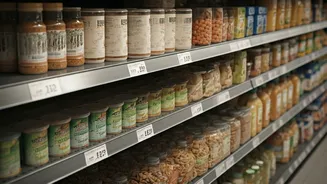
So, where should you brace for impact? The most immediate effects are often seen in the produce section. Items with high water content that are grown in drought-prone areas, like leafy greens, tomatoes, and melons, can see price volatility. Next are nuts and tree crops, like almonds and avocados, which require years of investment and consistent water, making them highly vulnerable. The meat counter, particularly beef, follows a more complex cycle but ultimately sees significant price pressure from drought's effect on feed costs and herd sizes. Finally, don't forget the center aisles. The price of wheat, corn, and soybeans affects everything from a loaf of bread and a box of cereal to cooking oils and the vast array of processed foods that use corn syrup or soy derivatives as ingredients. A drought in the Midwest can subtly raise the price of a significant portion of your shopping cart.