



From Holiday to Haven
For generations, travel in India followed a predictable rhythm tied to school vacations and major festivals like Diwali. But a powerful new driver has emerged: the weather. So-called “weather-led” or “escape” travel is becoming a dominant force in the country’s
domestic tourism market. This isn’t about simply seeking pleasant conditions for a holiday; it’s about actively fleeing dangerously oppressive ones. As intense, prolonged heatwaves bake India’s sprawling megacities, residents are packing their bags not just for leisure, but for relief. They are heading for the hills, the coast, or any place that offers a reprieve from searing temperatures, turning travel into a necessary tool for well-being.
The Great Urban Exodus
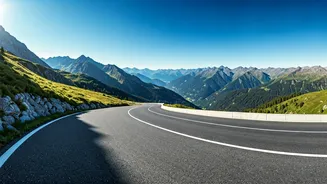
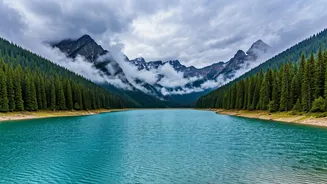
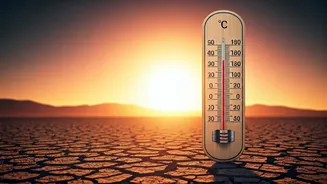
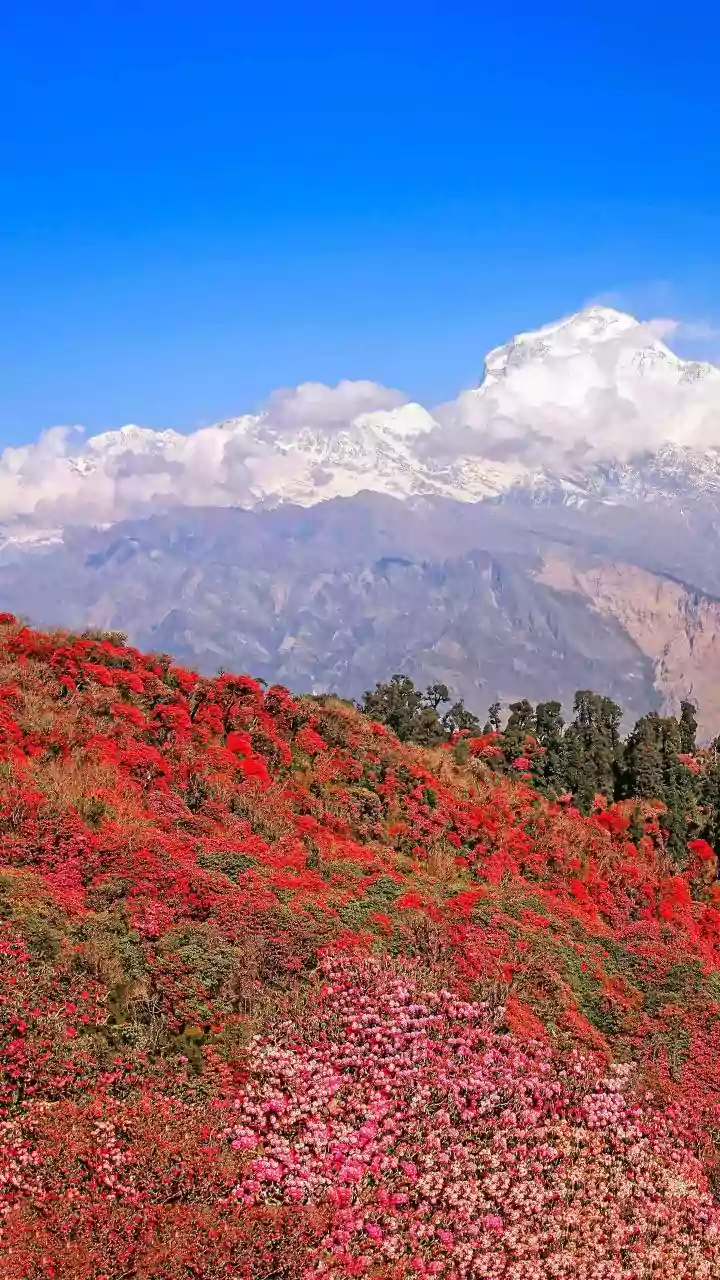
The primary catalyst for this shift is the increasingly brutal summer heat. In cities like Delhi, Mumbai, and Bengaluru, temperatures soaring well above 100°F for weeks on end have become the new normal. This isn’t just uncomfortable; it’s a public health crisis. In response, those with the means and flexibility are voting with their feet. Travel platforms report massive spikes in searches and bookings for cooler destinations during these peak heat periods. The beneficiaries are India’s famed hill stations, mountain towns originally developed by the British as getaways from the summer heat. Places like Shimla and Manali in the Himalayas, or Ooty and Munnar in the south, are seeing their tourist seasons extended and intensified as city dwellers seek refuge. It's a modern-day exodus driven by climate, with Wi-Fi and a laptop often replacing the traditional vacation itinerary.
Embracing the Monsoon
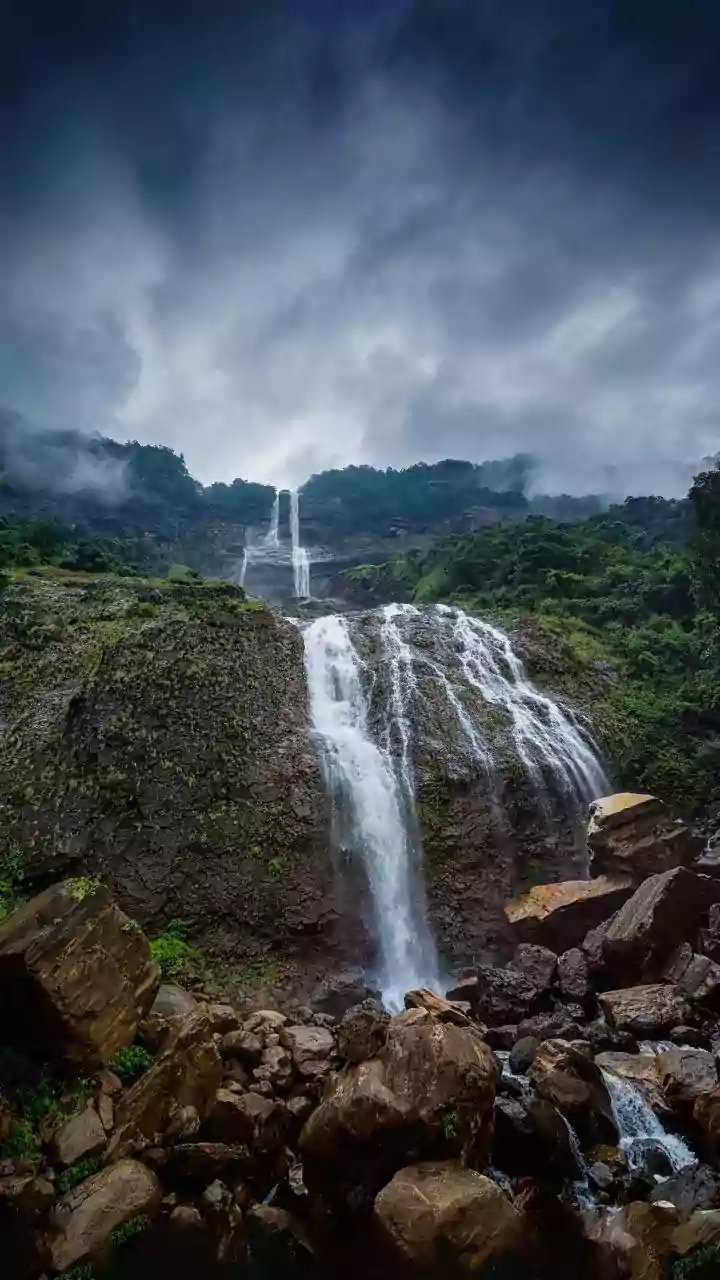
This weather-centric mindset isn’t just about escaping the bad; it’s also about embracing the dramatic. For years, India’s monsoon season, which typically runs from June to September, was considered the absolute off-season for tourism. Heavy rains, humidity, and the risk of flooding kept most travelers away. But that perception is changing. A growing cohort of Indian travelers is discovering the unique beauty of the monsoon. They are flocking to states like Kerala and Goa, not despite the rain, but because of it. They come to see the countryside transformed into a lush, emerald-green paradise, to enjoy the dramatic skies, and to experience a quieter, more atmospheric version of popular destinations. This has given rise to a whole new category of “monsoon tourism,” turning what was once a commercial dead zone into a thriving niche market.
A Smarter, More Sustainable Model
This new habit is “smart” for several reasons. First, it’s a practical adaptation to the realities of climate change, prioritizing personal health and comfort. Second, it has a powerful economic upside. By spreading tourist traffic away from the hyper-concentrated peak seasons, it creates a more sustainable, year-round tourism economy. Small guesthouses, local cafes, and tour guides in seasonal destinations benefit from a steadier stream of income. This helps alleviate the economic precarity of boom-and-bust tourism cycles. It also encourages travelers to explore a wider range of destinations within their own country, fostering a deeper appreciation for India’s immense geographic and cultural diversity.
The New Indian Traveler
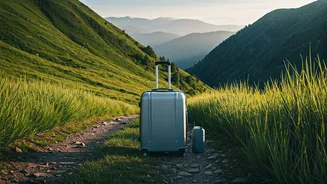
Driving this trend is a new generation of Indians with different priorities and possibilities. The rise of remote work and the “work-from-anywhere” culture has untethered many young professionals from the physical office, giving them the flexibility to relocate for weeks or even months at a time. This digitally-savvy demographic is adept at finding last-minute deals and creating impromptu travel plans based on weather forecasts. They are less bound by tradition and more interested in experiences that enhance their quality of life. This shift reflects a broader global movement where the lines between living, working, and traveling are blurring, and personal well-being is becoming the ultimate priority.