




The Green Room Boom
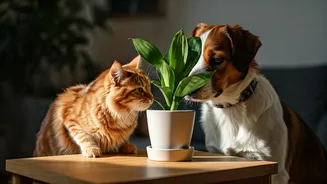
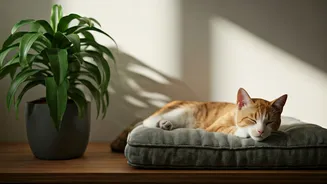
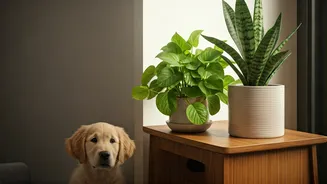
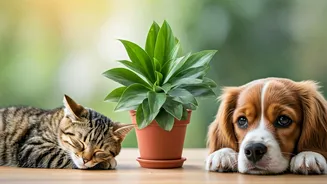
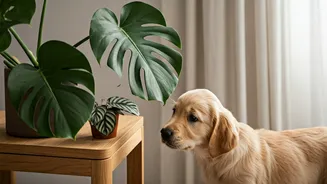
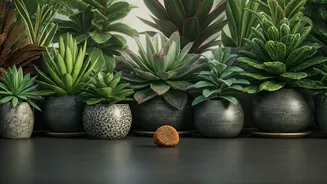
Look around your social feeds, and you’ll see them: sun-drenched living rooms filled with fiddle-leaf figs, serene bedrooms draped in pothos vines, and, often, a cat or dog snoozing nearby. The pandemic accelerated two major lifestyle trends: pet adoption
and indoor gardening. For many Americans, particularly millennials and Gen Z, curating a home oasis became a source of comfort and joy. This convergence created a new, urgent need for information. The same online spaces once dedicated to simply celebrating pets or plants now feature panicked questions: “Is a monstera toxic to my cat?” “My puppy chewed on a lily, what do I do?” Veterinarians and poison control hotlines have seen a corresponding increase in calls related to plant ingestion. This isn't about fear-mongering; it's about responsible stewardship for the living things we’ve invited into our homes.
The Usual Suspects: Common Toxic Plants
While hundreds of plants can cause issues, a few popular choices are responsible for a large number of vet visits. If you have pets, it’s safest to keep these out of your home entirely.
• **Lilies:** For cat owners, this is public enemy number one. All parts of any true lily (Lilium) or daylily (Hemerocallis) are extremely toxic to felines, and even a small amount of pollen licked off a paw can lead to acute kidney failure and death.
• **Sago Palm:** This popular, prehistoric-looking plant is a staple in modern design, but it’s lethally toxic to both dogs and cats. The seeds are the most dangerous part, containing a powerful toxin that can cause liver failure and neurological issues.
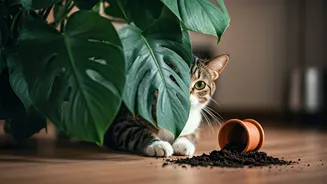
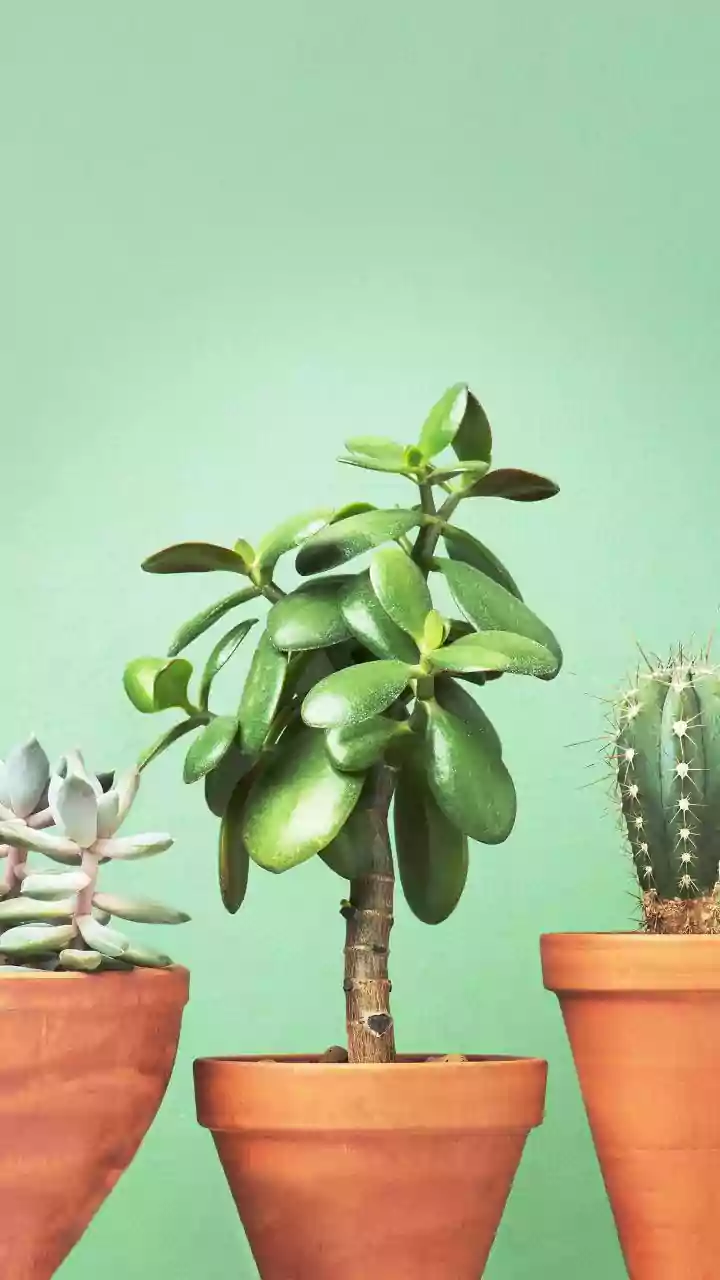
• **Philodendron & Pothos:** These trailing beauties are everywhere. They contain insoluble calcium oxalate crystals that act like tiny shards of glass when chewed. While rarely fatal, they cause intense pain, irritation of the mouth, drooling, and vomiting. The same goes for Monsteras, ZZ Plants, and Dumb Canes (Dieffenbachia).
The Safe List: Worry-Free Greenery
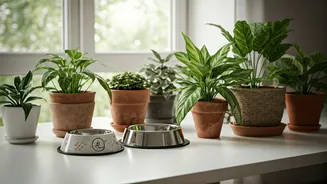
The good news is you don’t have to choose between your pet and your green thumb. An abundance of stunning, non-toxic plants can give you that lush, biophilic feel without the anxiety. Before you buy any plant, a quick search on the ASPCA’s plant database is a great habit to form.
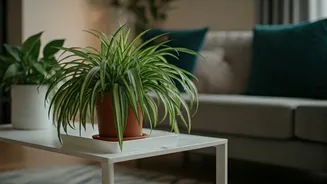
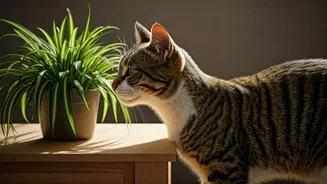
• **Spider Plant (Chlorophytum comosum):** These retro-cool, air-purifying plants are incredibly resilient and completely safe for cats and dogs. Their dangly “pups” might be an irresistible toy for a cat, but at least it’s a safe one.
• **Calathea Varieties (Prayer Plant, Rattlesnake Plant):** Known for their striking, patterned leaves that fold up at night, Calatheas are a pet-safe way to add a splash of color and drama to your collection.
• **Boston Fern (Nephrolepis exaltata):** If you’re looking for a classic, feathery plant to hang in a basket, the Boston Fern is a perfect, non-toxic choice. It thrives in humidity, making it a great addition to a bathroom.
What to Do in an Emergency
Even with the most diligent pet-proofing, accidents can happen. If you suspect your pet has ingested a toxic plant, quick action is key. Do not wait for symptoms to appear.
1. **Separate and Identify:** Immediately move your pet to a safe space away from the plant. If you can, take a photo of the plant or grab a small piece of it to help with identification.
2. **Call for Help:** Do not try to induce vomiting or administer home remedies unless specifically instructed by a professional. Call your veterinarian or the ASPCA Animal Poison Control Center at (888) 426-4435 immediately. (Be aware a consultation fee may apply, but it’s a critical service.)
3. **Follow Instructions:** Have the plant's name (if you know it), your pet’s weight, and a list of any symptoms ready. The expert on the phone will tell you whether you can monitor your pet at home or need to go to an emergency veterinary clinic.