






From Guard Dog to Fur Baby
For generations in many parts of India, a dog's primary role was functional—a guard for the home, living primarily outdoors. Cats were often seen as independent wanderers, not indoor companions. But that dynamic is undergoing a profound transformation,
especially in the country’s burgeoning cities. A cultural shift, often called 'pet humanization,' is taking hold. Today, pets are increasingly seen not as property, but as family members. They have names, celebrate birthdays, wear stylish collars, and sleep indoors, sometimes even in their owners' beds. This emotional upgrade is the single biggest driver of the new pet economy. When a pet becomes a 'fur baby,' spending priorities change dramatically. It’s no longer about simple survival; it’s about providing the best possible quality of life, mirroring a trend that has defined the American pet market for decades.
The Millennial and Pandemic Effect
Driving this change are India's millennials and Gen Z. As young professionals move to cities, start families later, and live in smaller, nuclear households, pets are filling an emotional void. They offer companionship in a way that resonates deeply with a generation navigating urban life. These digital-native consumers are comfortable with online shopping and are influenced by global trends they see on social media. Then came the COVID-19 pandemic. The lockdowns triggered a surge in pet adoptions across India, as people sought companionship during long periods of isolation. Simultaneously, with physical stores closed or difficult to access, consumers were pushed toward e-commerce for everything, including pet supplies. This created a perfect storm: a new wave of devoted pet owners who were trained, out of necessity, to shop for their new family members online. The habit stuck.
Beyond Basic Kibble
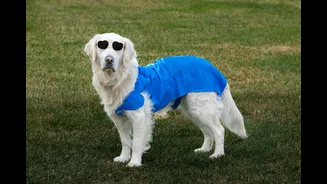
So, what are they buying? The answer reveals just how deep the 'humanization' trend goes. The market is rapidly moving beyond basic bags of kibble. The real growth is in the premium and specialized sectors. Think grain-free dog food, breed-specific formulas, and even freshly cooked, subscription-based meals delivered to the door. It’s the Blue Apron-ification of pet food. The spending spree doesn’t stop at nutrition. Wellness is a huge category, with pet parents buying anxiety vests, calming supplements, and orthopedic beds. The 'pet fashion' segment is also booming, with online stores offering everything from festive outfits for holidays like Diwali to raincoats for the monsoon season. Tech gadgets, like automated feeders and pet-monitoring cameras, are also gaining popularity among busy urban professionals who want to stay connected to their pets while at work.
A Digital Gold Rush for Pet Startups
This explosion in demand has ignited a digital gold rush. While general e-commerce giants like Amazon India and Flipkart are major players, a new ecosystem of specialized 'pet-tech' startups is emerging. Companies like Supertails.com and Heads Up for Tails are building dedicated online platforms that aim to be a one-stop-shop for Indian pet parents. They function much like Chewy does in the U.S., offering a vast selection of products, expert advice, and even online vet consultations. These startups are attracting significant venture capital funding from investors who see the immense potential. The Indian pet care market is projected to grow to well over a billion dollars in the coming years, with the online segment expanding at a blistering pace. It's a clear signal that investors are betting not just on e-commerce, but on the enduring and lucrative bond between humans and their pets.