






Start Your Day with a Boost
Breakfast is the perfect opportunity to front-load your fiber intake. Instead of a low-fiber pastry or sugary cereal, consider a bowl of oatmeal. A single cup of cooked oatmeal can provide around 4 grams of fiber. To elevate it further, top it with a tablespoon
of chia seeds (another 5 grams) and a handful of raspberries (4 grams). If you’re a smoothie person, blend in a scoop of psyllium husk or some white beans—they’re surprisingly tasteless and add a creamy texture along with a serious fiber punch. These small morning adjustments can put you a third of the way toward your daily goal before you even leave the house.
Swap Your Grains, Not Your Meals
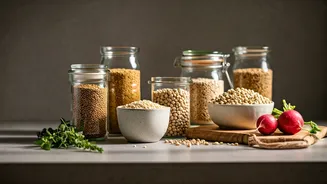
You don't have to give up your favorite starches to get more fiber; you just need to make smarter choices. This is one of the easiest and most impactful swaps. Instead of white bread, choose a 100% whole-wheat or whole-grain variety. When making pasta, opt for whole-wheat versions or those made from chickpeas or lentils, which pack a double whammy of fiber and protein. The same goes for rice: switch from white to brown rice, or better yet, explore other ancient grains like quinoa, farro, or barley. These whole grains retain their fibrous outer layer (the bran), which is stripped away during the refining process for white grains.
Rethink Your Snack Habits
Mid-afternoon hunger pangs often lead us to the vending machine for chips or cookies, which offer little nutritional value. A strategic snack can be a major source of daily fiber. A medium-sized pear with its skin on contains nearly 6 grams of fiber, while an apple provides about 4.5 grams. A handful of almonds is another excellent choice, delivering around 3.5 grams of fiber and healthy fats to keep you satisfied. Even popcorn, a whole grain, is a fantastic high-fiber snack—as long as you opt for the air-popped kind without excessive butter and salt. These simple swaps turn your snack break into a health-boosting moment.
Lean into Legumes
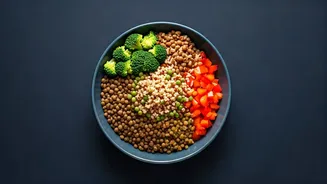
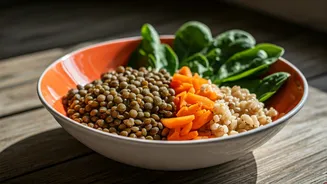
Beans, lentils, chickpeas, and peas are some of the most fiber-dense foods on the planet. A single cup of cooked black beans, for instance, packs an incredible 15 grams of fiber—about half the recommended daily amount for many adults. They are also inexpensive and incredibly versatile. You can toss a can of chickpeas (rinsed well) into a salad, add black beans to your tacos or omelets, or use lentils as a base for a hearty soup. Hummus, made from chickpeas, is a perfect fiber-rich dip for raw veggies like carrots and bell peppers. Making legumes a staple in just a few meals a week can dramatically increase your fiber intake.
Bulk Up Meals with Vegetables
A simple rule of thumb for any plate is to make half of it vegetables, and this practice naturally boosts your fiber. But you can also get creative by sneaking more veggies into the meals you already love. Finely chop mushrooms, zucchini, or carrots and add them to your pasta sauce or ground meat for tacos and burgers. Wilt a large handful of spinach into your soup or scrambled eggs; it shrinks down so much you’ll barely notice it, but you'll get its fibrous benefits. Roasting a big batch of broccoli, cauliflower, or Brussels sprouts at the beginning of the week makes it easy to add a delicious, fiber-filled side to any lunch or dinner.
A Note on Increasing Fiber
One important tip: if your current diet is low in fiber, increase your intake gradually over a few weeks. A sudden, massive jump can lead to gas, bloating, and discomfort as your digestive system adjusts. At the same time, be sure to drink plenty of water. Fiber works best when it absorbs water, which helps soften stool and aids its passage. Aim for at least eight glasses of water a day to support your new high-fiber habits.