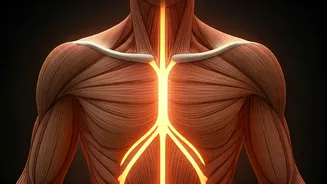







The Secret to Sustained Energy
Think of water as the delivery service for your muscles. During a workout, your body burns glycogen for energy. This process requires water. When you’re even slightly dehydrated, your body's ability to access and utilize this fuel source slows down, leading
to that all-too-familiar feeling of hitting a wall. Dehydration thickens your blood, forcing your heart to work harder to pump it to your muscles. This increased strain makes any physical activity feel more difficult and depletes your energy reserves faster. A study from the University of Connecticut's Human Performance Laboratory found that even a mild 1.5% loss in normal water volume can alter a person's mood, energy level, and ability to think clearly. Staying hydrated ensures your circulatory system runs efficiently, delivering oxygen and nutrients where they’re needed most and keeping your perceived effort lower, so you can push harder for longer.
Your Body’s Built-In Injury Insurance
While we obsess over stretching and proper form, we often forget that our internal environment is the first line of defense against injury. Our joints are cushioned by synovial fluid, which is largely composed of water. When you're dehydrated, your body has less of this lubricating fluid available, leading to increased friction between cartilage and potentially greater wear and tear. Furthermore, water is essential for maintaining the elasticity of muscle tissue. Dehydrated muscles are more rigid and prone to the painful cramps, strains, and tears that can sideline you for weeks. By simply keeping your water intake consistent, you’re creating a more resilient internal ecosystem that protects your joints, keeps muscles pliable, and drastically reduces your risk of common exercise-related injuries.
Sharpening Your Mental Edge
Fitness isn't just a physical game; it’s a mental one. Your brain is approximately 75% water, and its performance is exquisitely sensitive to your hydration status. Dehydration can impair concentration, slow reaction time, and diminish your motivation—all critical components of a successful workout. That feeling of wanting to quit five minutes early? It might not be physical fatigue but your brain signaling a water deficit. Proper hydration ensures that the electrical signals between your brain and muscles are firing optimally. This mind-muscle connection is vital for executing movements with precision and power, whether you’re lifting a heavy weight or maintaining balance in a yoga pose. Staying hydrated keeps you sharp, focused, and mentally tough enough to see your workout through to the end.
The Unseen Hero of Recovery
Your workout doesn't end when you drop the dumbbells; the recovery process is where the real magic happens. This is when your body repairs microscopic muscle tears and builds back stronger. And water is the chief foreman on this construction site. It's the primary transport medium for nutrients, like protein and carbohydrates, that are essential for muscle repair and replenishment of glycogen stores. Without adequate water, this entire process is hobbled. Furthermore, hydration helps flush out metabolic waste products like lactic acid that accumulate during intense exercise, reducing muscle soreness and stiffness. By prioritizing water intake after your session, you’re not just rehydrating—you’re actively accelerating your body’s ability to recover, adapt, and be ready for your next challenge.
Simple Strategies for Better Hydration
Knowing you need to drink more is one thing; making it a habit is another. Forget complicated formulas and just start simple. Carry a reusable water bottle with you everywhere—the visual cue is a powerful reminder. Try “bookending” your day with a glass of water right after waking up and before going to bed. If plain water feels boring, infuse it with lemon, cucumber, or mint. Don't wait until you're thirsty; thirst is a delayed signal that you're already on your way to being dehydrated. Instead, sip consistently throughout the day. A good rule of thumb for exercise is to drink about 16-20 ounces of water two hours before your workout, and then continue sipping throughout the session and afterward to replenish what you've lost through sweat.