



Mawsynram, India: The Reigning Champion
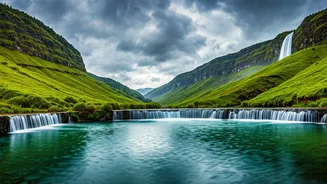
Holding the Guinness World Record for the highest average annual rainfall, the village of Mawsynram in India’s Meghalaya state is a world draped in mist and perpetual moisture. Here, precipitation is measured in feet, not inches, with an average of over
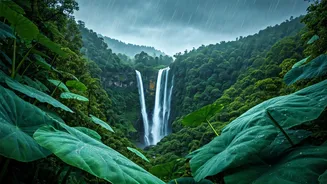
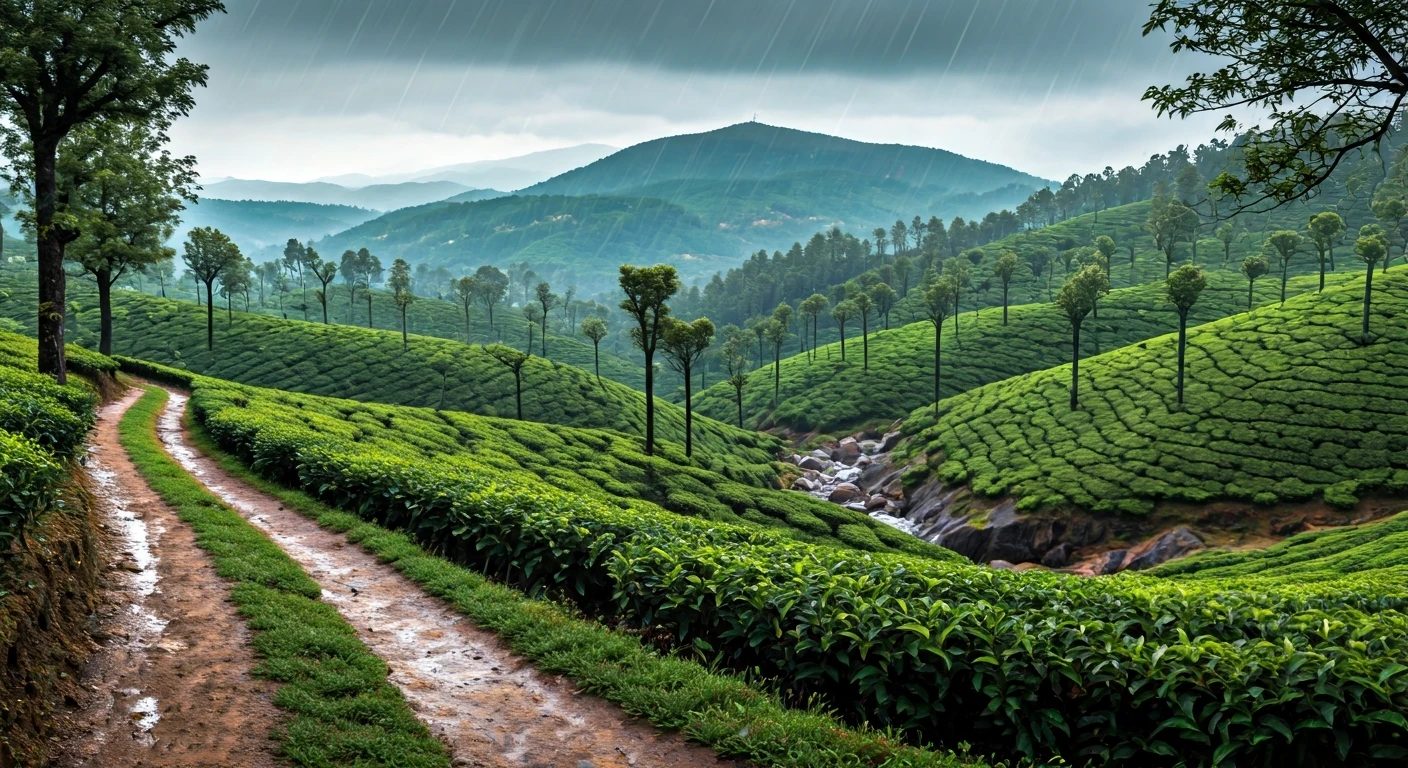
467 inches (nearly 39 feet) per year. The monsoon season brings a deluge so constant that locals have woven it into their culture. Instead of using umbrellas that would be shredded by the fierce winds, villagers wear ‘knups,’ turtle-shell-shaped shields made of bamboo and banana leaf that cover their heads and backs. The sound of rain is a constant roar, muffled only by the layers of sound-deadening grass that villagers use to insulate their homes. This isn't just a place where it rains a lot; it’s a place where life itself has adapted to the sky's relentless generosity, resulting in a landscape of almost impossibly vibrant green.
Cherrapunji, India: The Famous Rival
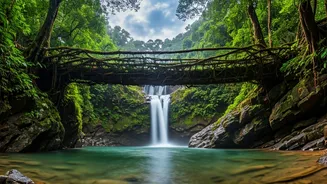
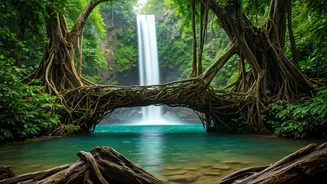
Just ten miles from Mawsynram as the crow flies, Cherrapunji (also known by its traditional name, Sohra) once held the title of the world's wettest place and remains a close competitor. The rivalry is friendly, but the experience is just as profound. What makes this region truly magical are the living root bridges. For centuries, the Khasi people have guided the thick, powerful roots of rubber fig trees across rivers and ravines, weaving them into sturdy, living structures that grow stronger over time. Unlike concrete or steel, these bridges thrive in the constant dampness. To walk across one is to witness a perfect harmony between human ingenuity and nature’s power. The landscape is a dramatic tapestry of deep gorges, thundering waterfalls that seem to appear from nowhere, and clouds that you can literally walk through as they drift through the village streets.
Tutunendo, Colombia: Two Rainy Seasons
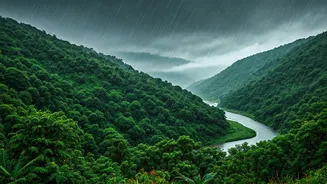
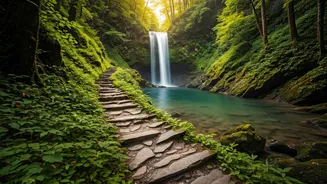
While India’s Meghalaya state is famous for its monsoon season, the town of Tutunendo in northwestern Colombia gets its rainfall in a different rhythm. Located in the Chocó department near Quibdó, this region experiences not one, but two rainy seasons per year, resulting in near-constant precipitation. With an average annual rainfall that often challenges Mawsynram for the top spot (around 450 inches), Tutunendo is a biodiversity hotspot. The relentless rain feeds one of the most vibrant and lush rainforests on the planet, home to an incredible array of frogs, birds, and plant species found nowhere else. The Afro-Colombian communities here live by the rhythm of the rivers, which serve as the primary highways. A visit isn't about avoiding the rain; it's about embracing it—taking a boat tour on a swollen river, swimming in a pristine waterfall-fed pool, and experiencing a world where water is the ultimate life force.
Mount Waialeale, Hawaii: America's Rainiest Peak
For a taste of this extreme weather within the United States, look to the island of Kauai. The shield volcano of Mount Waialeale, whose name means 'rippling water' or 'overflowing water,' is one of the wettest spots on Earth. Averaging around 450 inches of rain annually, its summit is a landscape few have ever seen. The peak is almost always shrouded in clouds, its steep, jungle-covered slopes made treacherously slippery by the constant moisture. This funnel-shaped mountain traps moisture-laden trade winds, forcing them upward to cool and release their water. While the summit itself is remote and inaccessible to hikers, its impact is visible all over Kauai, the 'Garden Isle.' The immense rainfall feeds the seven major rivers that carve through the island, creating the stunning canyons, lush valleys, and countless waterfalls that make Kauai a paradise for nature lovers.