



The New Anxious Ritual
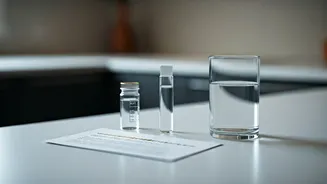
It starts with a glass of crystal-clear water. Someone off-camera dips two small prongs into the liquid, and a handheld digital meter flashes a number—sometimes a startlingly high one. The implied conclusion: your water is toxic. This scene, starring
a Total Dissolved Solids (TDS) meter, has become a staple of wellness and homesteading content online. It’s the poster child for a booming trend of do-it-yourself purity testing. Fueled by a potent cocktail of post-pandemic health anxiety, distrust in public institutions, and the algorithmic power of a dramatic reveal, Americans are increasingly turning to cheap, accessible kits to test their homes for invisible threats. It’s a quest for control in a world that feels full of contaminants, from microplastics in our food to forever chemicals in our water.
The Water Test That Fooled the Internet
The most pervasive of these DIY tests involves the aforementioned TDS meter. These inexpensive gadgets measure the total concentration of dissolved substances—minerals, salts, and metals—in water. Online, they’re almost universally misinterpreted as “contaminant” detectors. A typical video shows tap water or a popular brand of bottled mineral water registering a high TDS number, while water from a specific filtration system shows a reading of “000.” The creator declares the filtered water “pure” and the others “dirty.”
Here’s the scientific catch: a high TDS reading isn’t inherently bad. It simply means the water contains minerals. Spring water and mineral water are often prized (and priced) for these very minerals, like calcium, magnesium, and potassium, which are essential for your body. Reverse osmosis or distillation filters, which are designed to strip everything out of water, will indeed produce a low TDS reading. But they also strip out the beneficial minerals. A TDS meter cannot distinguish between a healthy mineral like magnesium and a harmful heavy metal like lead. It's like judging the quality of a library by counting the total number of books, without checking whether they are treasured classics or outdated phone books.
From Water to Produce
The trend doesn’t stop at the tap. Similar “hacks” have gone viral for testing food. You may have seen videos of people dropping iodine on a sliced sweet potato to “test for starch modification” or soaking strawberries in a saltwater solution that supposedly draws out tiny worms. While the latter has some basis in reality (it can dislodge small insects like fruit fly larvae, which are harmless), many of these tests are pure theater. They prey on our lack of specific scientific knowledge, offering a simple, visual, and ultimately misleading answer to a complex question. The problem isn’t the data point itself—the number on the meter, the color change in the water—but the false narrative attached to it. The tests provide a feeling of discovery and validation, making the user feel like they’ve uncovered a secret truth, when all they’ve really done is perform a miscalibrated science experiment.
What You Can Do Instead
If you are genuinely concerned about the quality of your home environment, there are far more reliable methods than a $15 gadget from Amazon. For water quality, your first and best resource is your local utility. Under federal law, community water systems are required to provide customers with an annual water quality report, often called a Consumer Confidence Report (CCR). This detailed document lists the levels of contaminants that have been detected in the water and whether the system meets EPA standards. You can usually find it on your utility’s website.
If you have specific concerns (like lead from old pipes in your home) or use well water, the EPA recommends using a state-certified laboratory to perform a detailed analysis. For filters, look for certifications from organizations like NSF International, which tests products to ensure they actually do what they claim, whether that’s removing chlorine taste, filtering lead, or reducing specific chemicals.