






The Allure of the Monsoon Trip
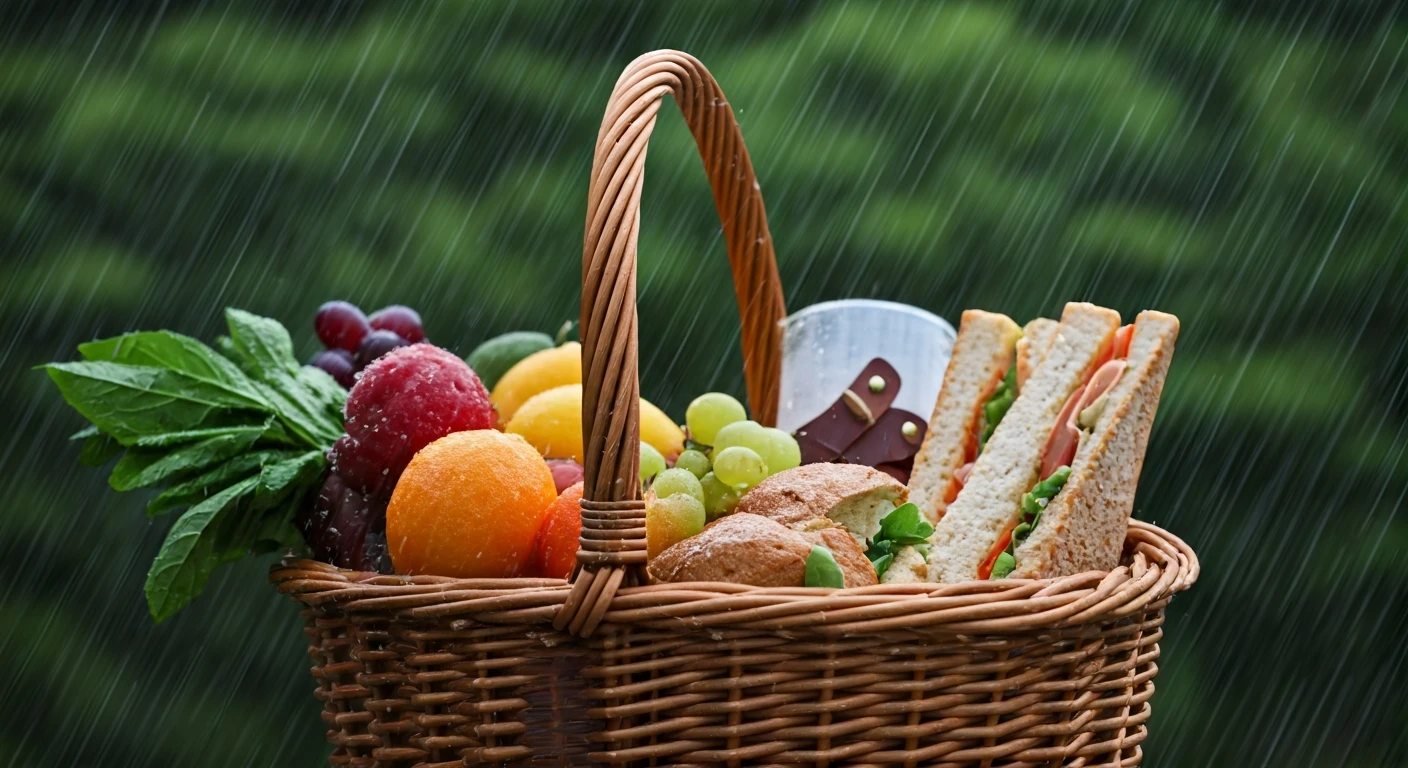
For many in South Asia, the monsoon season isn't a time to hide indoors. It’s a celebrated period of relief from scorching heat, when the landscape erupts in vibrant green. "Monsoon trips"—day trips or weekend getaways to the countryside, waterfalls,
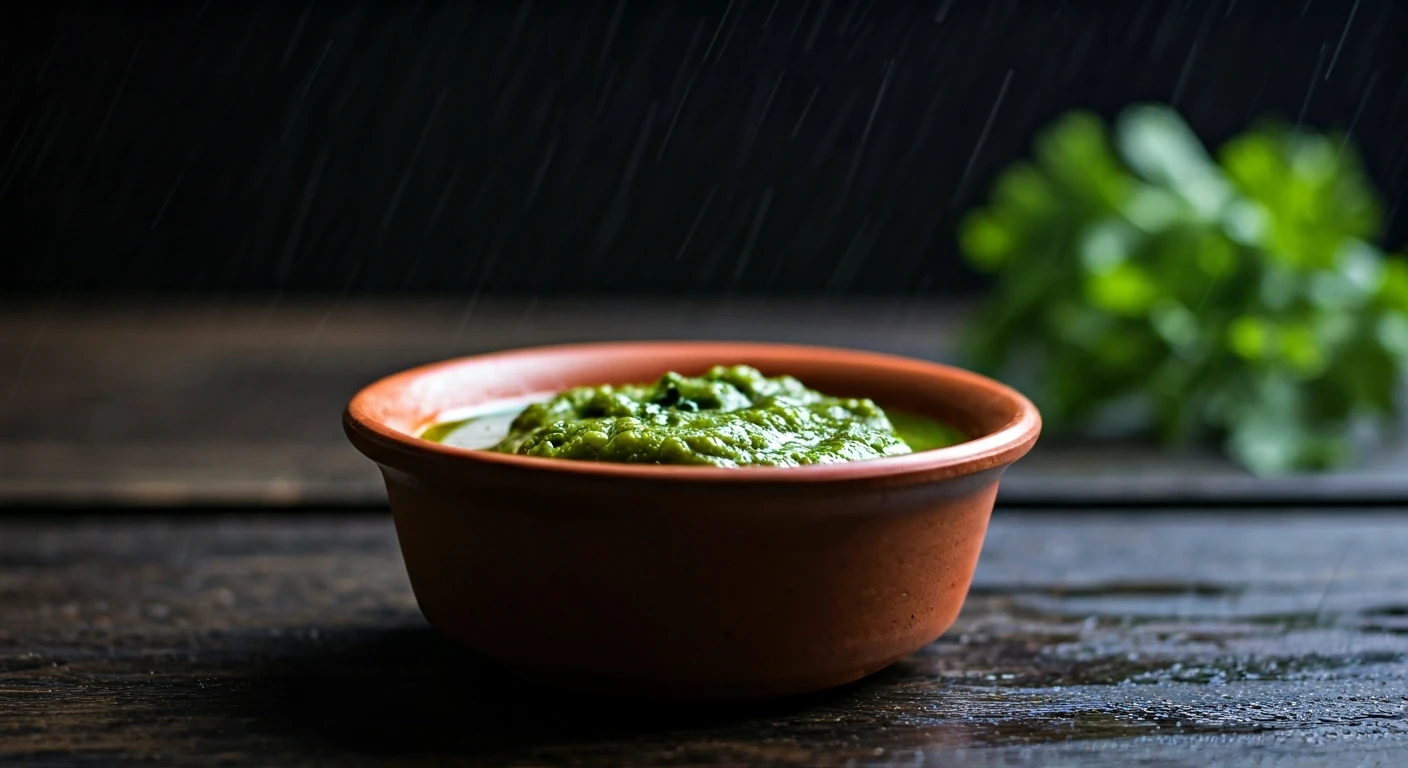
or scenic viewpoints—are a beloved tradition. And like any great American road trip, these journeys are fueled by snacks. Instead of chips and dip, you’re more likely to find thermoses of chai, crispy samosas, and an assortment of chutneys, the vibrant, herb-and-spice-packed condiments that are central to Indian cuisine. The setting is romantic, the food is delicious, but the combination of warm temperatures and extreme humidity creates a perfect storm for foodborne illness that many travelers overlook.
A Recipe for Rapid Spoilage
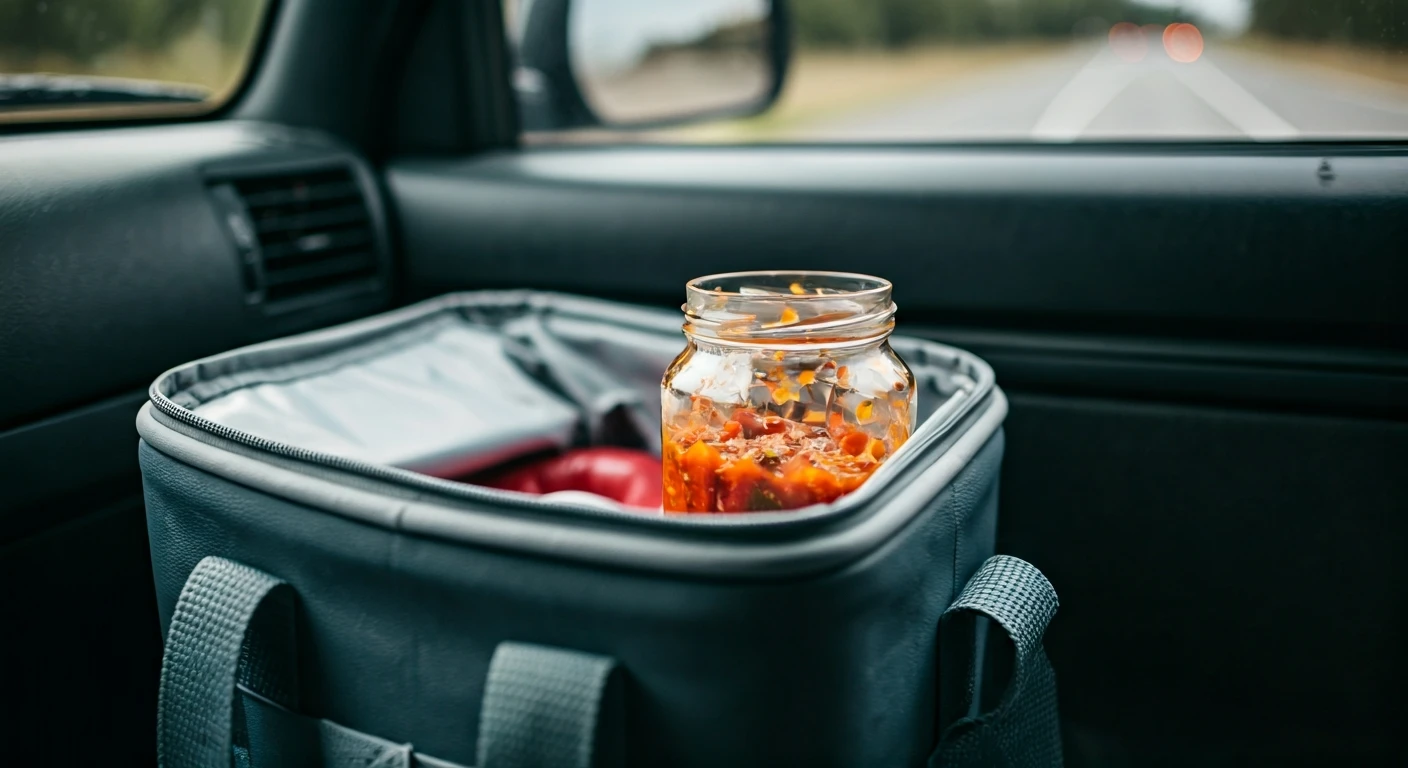
Food safety experts often talk about the "temperature danger zone," the range between 40°F and 140°F where bacteria like E. coli, Salmonella, and Listeria can multiply rapidly. During a monsoon trip, ambient temperatures easily fall within this zone. But the real villain here is humidity. The moisture-saturated air of the monsoon season prevents evaporation, meaning food surfaces stay wetter for longer. This moisture is exactly what microorganisms need to thrive. An uncovered container of chutney left in a car or a picnic basket for a few hours becomes a five-star hotel for bacteria. The warm, damp air isn't just uncomfortable for you; it’s an invitation for pathogens to colonize your lunch.
Why Chutneys Are So Vulnerable
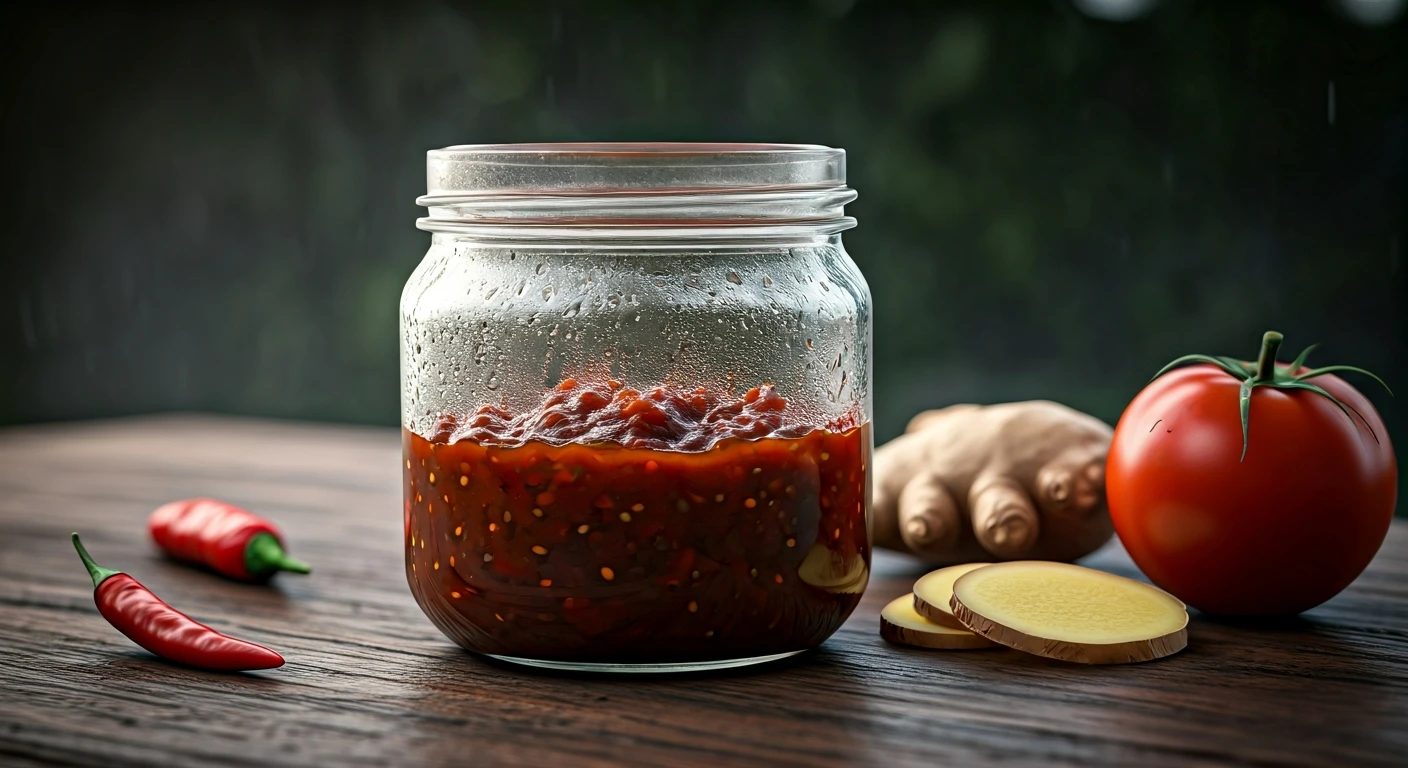
You might think the acidic ingredients in chutney—like lime, tamarind, or vinegar—would protect it. And to a degree, they do. Acidity creates an inhospitable environment for many microbes. However, most homemade chutneys, especially the fresh, green varieties made with cilantro and mint, also have a high water content and are only mildly acidic. They aren't preserved in the same way a commercially canned pickle is. When left uncovered, two things happen. First, the chutney is directly exposed to airborne bacteria and yeast. Second, the constant humidity prevents any protective "skin" from forming on the surface, keeping it welcoming to microbes. The combination of moderate acidity, high moisture, and nutrient-rich ingredients (herbs, onions, garlic) makes fresh chutney a surprisingly effective petri dish when handled improperly.
Smarter Ways to Pack Your Flavor
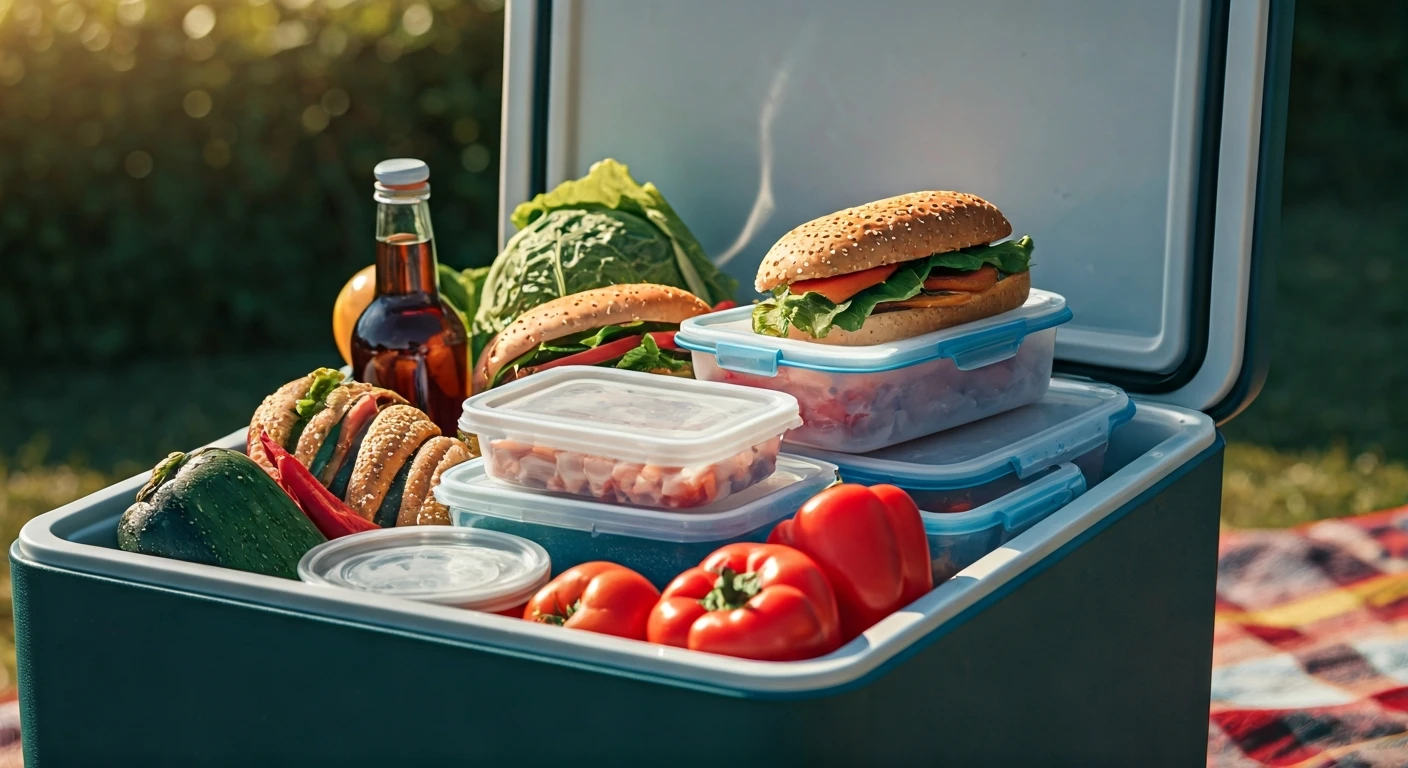
This doesn't mean your road trip snacks have to be bland. It just means you need to be smarter about food safety. The most crucial step is to abandon the idea of an "uncovered" anything. Always use a truly airtight container. This not only prevents spills but, more importantly, creates a barrier against airborne contaminants. The second best practice is temperature control. If you can, pack your chutney in a small container inside a cooler with ice packs, keeping it well below the 40°F threshold. For a lower-tech solution, consider alternatives. Instead of a wet chutney, pack a dry "chutney powder" (a mix of roasted lentils, spices, and chilies) that you can mix with a little yogurt or water right before serving. Or, pack your ingredients separately—chopped herbs, lime wedges, spices—and assemble your condiment fresh on-site. It’s a little more work but guarantees both flavor and safety.