





The Supermarket as a Destination
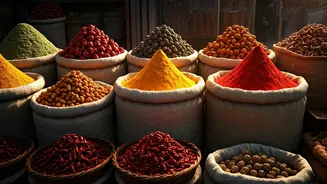
Imagine this: instead of jostling for a photo at the Taj Mahal, you’re navigating the vibrant, chaotic aisles of a local Indian grocery store. The air is thick with the scent of a hundred spices—cardamom, turmeric, and dried chilies. This isn’t a quick
stop for a bottle of water. This is the main event. Welcome to “grocery tourism,” a travel trend where exploring supermarkets, local markets, and food shops becomes a primary itinerary item. It’s a deliberate deep-dive into a country’s culture through what its people eat every day. For travelers seeking authenticity beyond curated tours, the grocery store offers an unfiltered look into the heart of the Indian kitchen, one snack, spice, and sauce at a time.
A Search for Real Connection
So why is this happening now? In an age of over-photographed landmarks and cookie-cutter travel experiences, many are searching for something more grounded. The modern tourist is often looking to connect with a place on a deeper level, and there are few better ways to understand a culture than through its food. A grocery store is a living museum of daily life. The products on the shelves tell a story about regional tastes, local agriculture, economic realities, and family traditions. Seeing the ten different varieties of lentils, the countless brands of chai, or the colorful array of pickles (achar) provides more cultural context than many guidebooks. It transforms the traveler from a passive observer into an active participant in the local food story.
The Ultimate Souvenir Aisle
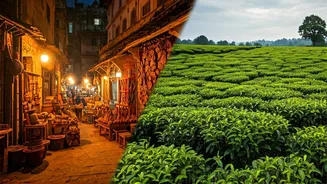
For many, the appeal is also intensely practical. The treasures found in an Indian supermarket are often impossible to find—or prohibitively expensive—back in the U.S. We’re talking about fragrant, single-origin spices that cost a fraction of what they do at Whole Foods, complex masala blends specific to a certain region, and unique snacks like masala-flavored Lays or Parle-G biscuits. Travelers fill their bags with high-quality Darjeeling and Assam teas, Ayurvedic wellness products, and specialty cooking pastes. It’s the ultimate souvenir hunt, where the prizes are not just trinkets but ingredients that allow you to bring the taste of your travels back to your own kitchen. This experience isn’t limited to modern supermarkets; it extends to bustling neighborhood *kiranas* (small mom-and-pop shops) and sprawling open-air *mandis* (produce markets).
Nostalgia and Novelty
The trend is primarily fueled by two distinct groups of travelers. First, there are the foreign tourists and foodies, driven by culinary curiosity and the desire to experiment with new ingredients. For them, it’s an adventure of discovery. The second, and perhaps larger, group consists of the Indian diaspora—Non-Resident Indians (NRIs) and people of Indian origin visiting family. For them, a trip to the grocery store is an exercise in nostalgia. They stock up on the familiar brands, comfort foods, and specific spice mixes they grew up with. It's a chance to fill their suitcases with the tastes of home, from their favorite instant noodles to the specific brand of mango pickle their grandmother used, reconnecting with their heritage in a deeply personal and sensory way.