
Paint with Light and Air
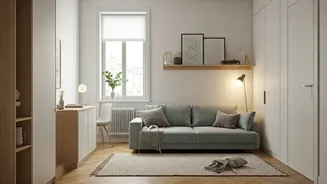
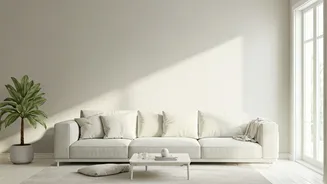
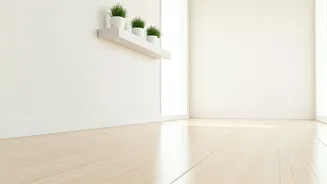
The oldest trick in the book is also the most effective: paint your walls a light color. But this isn't just about painting everything sterile white. Soft, airy hues like pale gray, powder blue, sage green, or even a warm off-white can work wonders. These
colors are highly reflective, bouncing natural and artificial light around the room, which pushes the walls back visually and erases shadows that can make a space feel smaller. For a more sophisticated approach, try painting the trim and ceiling a slightly lighter shade than the walls. This creates an uninterrupted visual line, drawing the eye upward and giving the illusion of higher ceilings.
Choose Furniture That Floats
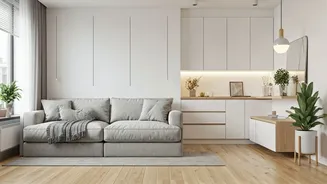
Heavy, blocky furniture that sits directly on the floor can feel like an anchor, weighing down your room. Instead, opt for pieces with exposed legs. A sofa on slender legs, a media console that’s raised off the ground, or a bed frame with space underneath immediately creates a sense of openness. When you can see the floor beneath your furniture, your brain registers more visible floor space, which translates to a larger-feeling room. This applies to coffee tables, side tables, and even armchairs. Look for designs that feel light and 'leggy' rather than dense and solid.
Go Big, But Strategic, with Mirrors
Simply hanging a mirror isn't enough; placement is everything. A large mirror can act like another window, dramatically increasing the sense of depth and light. The key is to position it where it can reflect either a window or a significant light source. For example, placing a large, floor-length mirror against a wall opposite a window will double the amount of natural light and create a stunning visual effect. In a narrow hallway or entryway, a long horizontal mirror can make the space feel twice as wide. Avoid a collage of small mirrors, which can create visual clutter. One large, impactful mirror is far more effective.
Unify with a Cohesive Palette
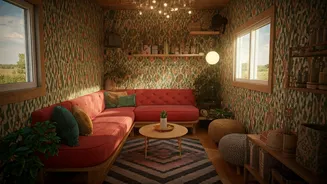
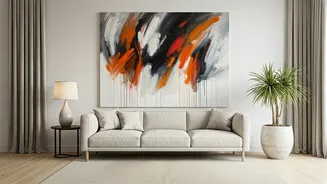
Visual chaos makes a room feel cluttered and small. You can combat this by sticking to a tight, cohesive color palette. A monochromatic scheme, using different tones and tints of a single color, is an elegant way to create harmony and flow. If that feels too limiting, try an analogous color scheme, which uses colors that are next to each other on thecolor wheel (like blue, teal, and green). By keeping your large items—sofa, rug, curtains—within this limited palette, you reduce jarring visual breaks. You can still introduce pops of a contrasting color through small accessories like pillows, throws, or art.
Think Vertically, Not Just Horizontally
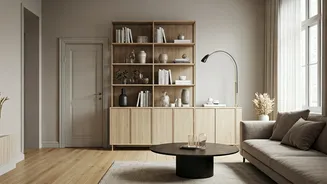
When floor space is at a premium, the only way to go is up. Draw the eye upward to create an illusion of height and volume. Use tall, narrow bookcases instead of wide, short ones. Install floating shelves to display books and decor without taking up any floor real estate. When hanging curtains, mount the rod as close to the ceiling as possible—several inches above the window frame—and use drapes that go all the way to the floor. This simple trick makes your windows look larger and your ceilings higher, adding instant grandeur to a small room.
Master the Art of Multi-Function
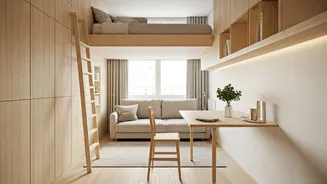
In a tiny flat, every piece of furniture should earn its keep. Look for items that serve at least two purposes. A storage ottoman can act as a coffee table, extra seating, and a place to hide blankets or magazines. An extendable dining table can stay small for daily use but expand to accommodate guests. A stylish sleeper sofa means your living room can double as a guest room. Instead of a traditional desk, consider a wall-mounted secretary desk that folds away when you’re not working. Smart, multi-functional furniture is the cornerstone of stylish small-space living, allowing you to have the functionality you need without the clutter.