




From Guard Dog to Fur Baby
For generations, the role of animals in many Indian households was primarily utilitarian. Dogs were for guarding the home, often living outdoors and eating leftovers. Cats were valued for pest control. They were part of the domestic ecosystem, but rarely
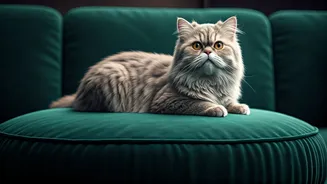
were they seen as pampered members of the family. That picture is changing dramatically, especially within the country's swelling urban middle class. Today, it’s not uncommon to see a Golden Retriever in a Mumbai high-rise being pushed in a stroller, a Shih Tzu in Delhi celebrating its birthday with a custom-made, dog-friendly cake, or a cat in Bengaluru with its own Instagram account. This is the new world of 'pet parenting,' a term that perfectly captures the deep emotional and financial investment now being poured into companion animals.
The Economic Tail Wagging the Dog
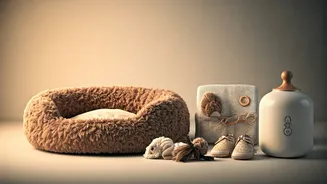
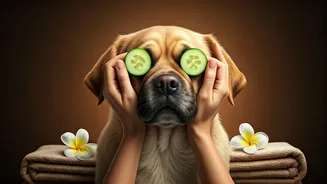
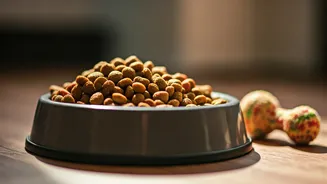
Where culture shifts, a market follows. India's pet care industry is exploding. Valued at over a billion dollars and growing at a double-digit clip annually, it's a testament to this new seriousness. The change is most visible on store shelves. Basic kibble is being pushed aside by grain-free, organic, and breed-specific formulas. The market for pet accessories, once limited to leashes and collars, now includes everything from orthopedic beds and anxiety jackets to GPS trackers and automated feeders. Beyond products, a service economy has sprung up to cater to the devoted pet parent. High-end grooming salons, doggie daycare centers, behavioral trainers, pet-friendly cafes, and even pet insurance are becoming standard offerings in major metropolitan areas. This isn't just about spending money; it's about providing 'the best' for a cherished family member.
Why Now? The Social Shift
So what’s fueling this transformation? It’s a perfect storm of demographic and social trends. First, urbanization and the rise of nuclear families. As young professionals move to big cities for work, they are often disconnected from the large, multi-generational family structures of their parents. A pet offers unconditional companionship to combat urban loneliness. Second, many millennial and Gen Z Indians are delaying marriage and parenthood. For them, a pet can be a 'starter child,' an outlet for nurturing instincts without the lifelong commitment of raising a human. Third, rising disposable incomes mean there’s simply more money available to spend on non-essential, quality-of-life improvements—and for many, that includes their pet’s well-being. Finally, the pervasive influence of Western media and global internet culture has normalized the idea of treating pets as integral, pampered parts of the family.
A New Definition of Family
This trend goes beyond simple economics; it signals a redefinition of family and companionship in modern India. The formal language of 'owner' is being replaced by the affectionate terms 'pet parent,' 'mom,' or 'dad.' Pets are being anthropomorphized, given human-like emotions, needs, and a seat at the family table—sometimes literally. Veterinary medicine is also evolving, with a growing demand for specialized care, from oncology to cardiology, that mirrors human healthcare. This humanization reflects a deeper need for emotional connection in an increasingly fast-paced and atomized world. The love for a pet is simple, pure, and reciprocal in a way that human relationships aren't always. For many urban Indians, that's a value proposition that’s impossible to resist.