





What Are Rain-Fed Routes?
Imagine a hiking trail that’s only there for a few days a year. That’s the essence of a rain-fed route. These are ephemeral or intermittent streams, creeks, and rivers that are often just dusty canyons or gentle trickles. But after a significant rainfall,
they swell with enough water to become navigable by kayak, canoe, or packraft. This isn’t your typical leisurely float down a year-round river. It’s a time-sensitive, pop-up adventure dictated entirely by nature’s schedule. This type of travel is sometimes called “flash-packing” or “ephemeral-river running,” and it requires a unique combination of patience, spontaneity, and local knowledge.
Why the Sudden Appeal?
The rise of rain-fed routes is about more than just finding a new place to paddle. It taps into a deeper desire for authentic, unpredictable experiences in a world of curated Instagram feeds and over-booked destinations. In an era of climate consciousness, travelers are more aware of weather patterns and their effects. Planning a trip around rainfall creates a profound connection to the local ecosystem and its cycles. There’s also the element of scarcity; knowing the route you’re on might disappear in a matter of days adds a thrilling, almost magical quality to the journey. It’s the antidote to the overly-manicured, predictable vacation, offering a genuine sense of discovery.
The Desert Southwest: Canyons Reborn
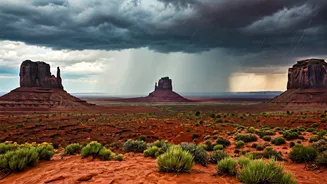
Nowhere is the concept more dramatic than in the American Southwest. The iconic red rock canyons of Utah, Arizona, and New Mexico are carved by water, but are often bone-dry for most of the year. After a heavy monsoon storm or spring snowmelt, however, legendary waterways like Utah’s San Rafael River or sections of Arizona's Verde River can transform. Paddlers watch weather forecasts obsessively, waiting for the right conditions to launch a multi-day trip through stunning, remote wilderness that is otherwise largely inaccessible. Floating beneath soaring canyon walls, past ancient petroglyphs, on a river that wasn’t there last week is an experience that stays with you forever.
The Ozarks: Unlocking Hidden Hollers
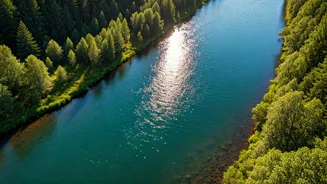
The Ozark Mountains of Arkansas and Missouri are famous for pristine rivers like the Buffalo and Current. But beyond these mainstays lies a vast network of smaller tributary creeks that are the exclusive domain of the rain-chaser. After a solid spring storm, creeks with names like the Little Piney or Big Creek come alive, offering intimate floats through tight, tree-lined “hollers” and past limestone bluffs. These runs are often short, lasting just a day or two before the water recedes, making them a favorite for locals. They provide a different flavor of adventure—less about grand vistas and more about the quiet beauty of a forest awakening with water.
How to Chase the Rain (Safely)
The allure of these routes comes with serious responsibility. This isn't for beginners. First, safety is paramount. A river that’s rising can be incredibly powerful and dangerous, and flash floods are a real risk, especially in canyon country. Never paddle a rain-fed route alone. Second, do your homework. Use USGS water gauges online to monitor flow rates in real-time. Talk to local outfitters, paddling clubs, and experienced boaters—their knowledge is invaluable. Finally, be prepared. Have the right boat (often a durable kayak or packraft), proper safety gear (helmet, PFD, throw rope), and be ready to turn back if conditions look unsafe. The cardinal rule is: if in doubt, don’t go out.