
Beyond the Flower Pot
When you picture a garden, you probably see rich, dark soil. But what if you could ditch the dirt entirely? That’s the central idea behind soilless gardening, a category that includes methods like hydroponics, aeroponics, and aquaponics. At its core,
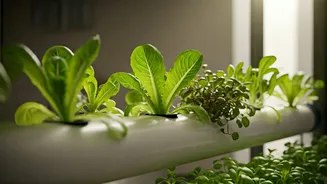
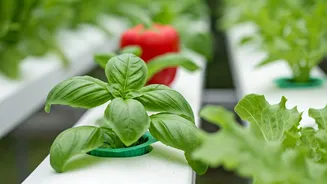
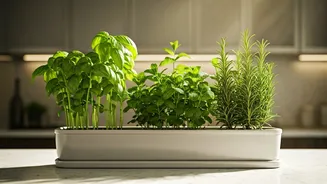
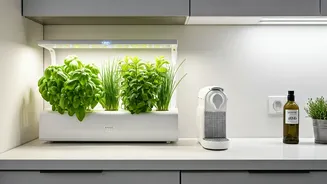
this approach recognizes a simple botanical fact: plants don’t actually need soil to live. They need the nutrients, water, and oxygen that soil traditionally provides. Soilless systems simply deliver these elements more directly. In hydroponics, the most common method, plant roots are submerged in a nutrient-rich water solution. Aeroponics takes it a step further, misting the suspended roots with the same nutrient mix. Aquaponics creates a symbiotic ecosystem where fish waste provides the nutrients for the plants, and the plants filter the water for the fish. These aren't just lab experiments anymore; they are accessible technologies powering everything from countertop herb gardens to massive vertical farms that supply entire cities.
The 'Very Green' Promise
The environmental benefits are a huge part of the appeal. Traditional agriculture is notoriously thirsty, but hydroponic systems are often closed-loop, meaning they recirculate water. This can lead to a reduction in water usage by up to 90% compared to soil-based farming. With no soil, there’s no soil runoff, which means no pesticides or herbicides polluting nearby waterways. Pests are also far less of a problem in a controlled indoor environment, further reducing the need for chemical intervention. For the home gardener, 'green' also means lush and productive. By providing the perfect balance of nutrients directly to the roots, plants can focus their energy on growth. This often translates to faster harvests and higher yields in a smaller footprint. A vertical hydroponic tower the size of a coat rack can produce the same amount of leafy greens as a small garden bed, making it perfect for apartment dwellers and those with limited outdoor space. You can have a thriving salad bar in your living room, even in the middle of winter.
Checking the 'No Stress' Claim
So, is it truly 'no stress'? The answer is yes… and no. The 'stress' in soilless gardening is front-loaded. Instead of digging and weeding, your initial effort goes into research and setup. You’ll need to choose a system, assemble it, and get the hang of mixing nutrient solutions and monitoring pH levels. The initial cost can also be higher than a few bags of potting soil and some seeds, with starter kits ranging from under $100 for a simple countertop unit to several hundred for a larger tower. However, once your system is running, the daily maintenance can be remarkably low. Many modern systems come with automated timers for lights and water pumps, and sensors that tell you when to add more nutrients. Gone are the days of worrying about overwatering, underwatering, or battling invasive weeds. For many, trading the physical labor of traditional gardening for the occasional technical tweak is a welcome change. It's a different kind of gardening, one that appeals to the tech-savvy and time-crunched alike.
Is It Right for You?
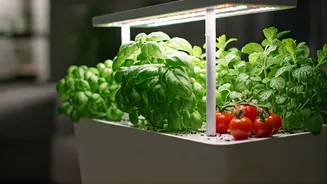
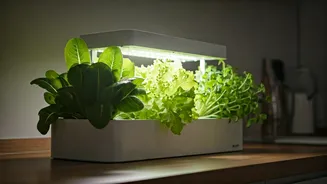
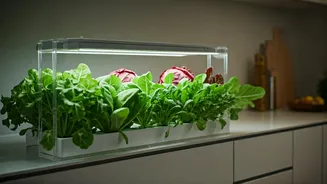
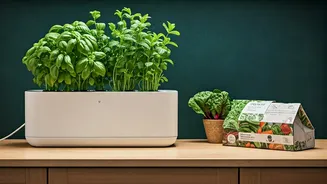
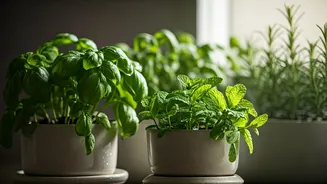
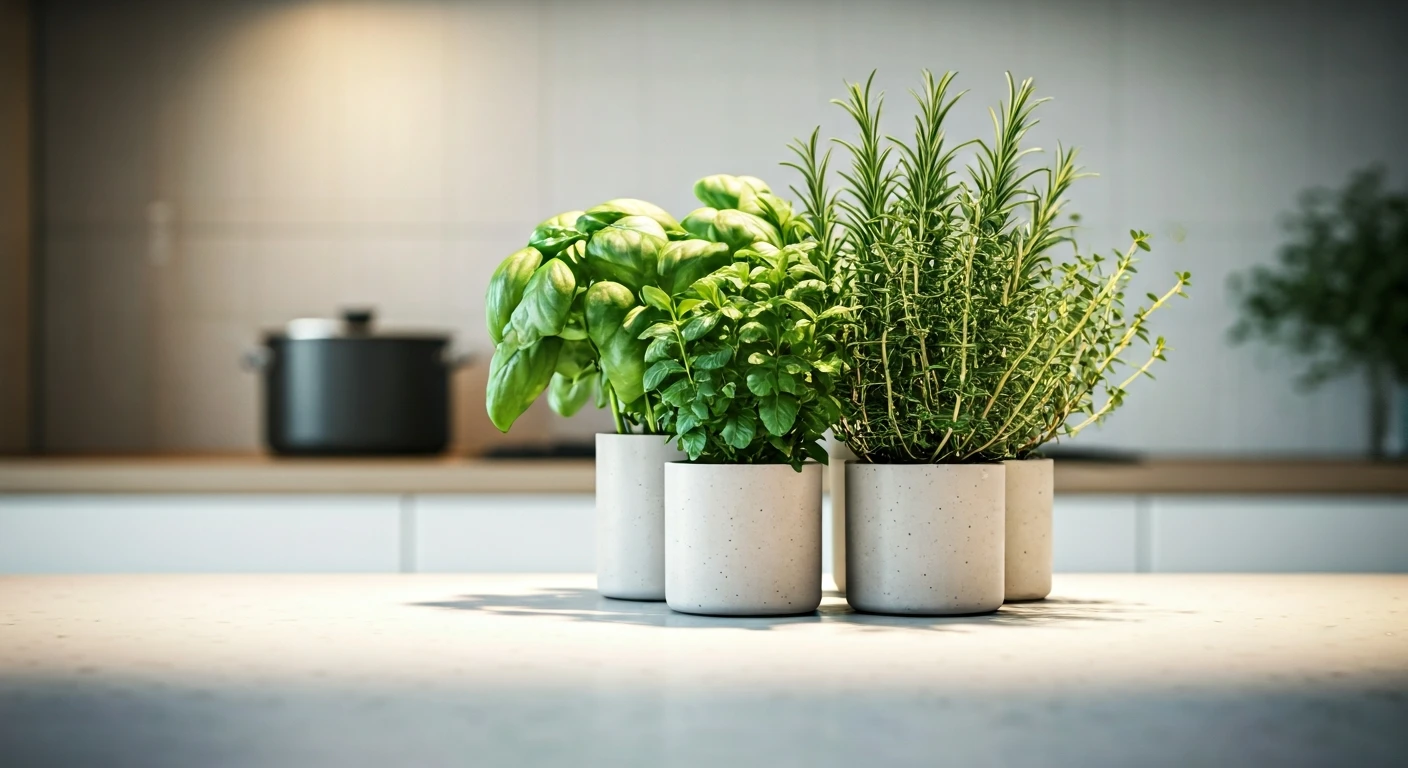
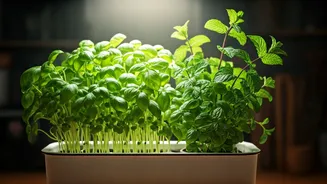
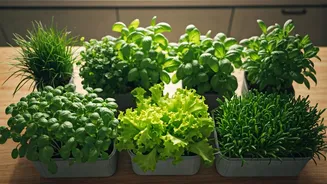
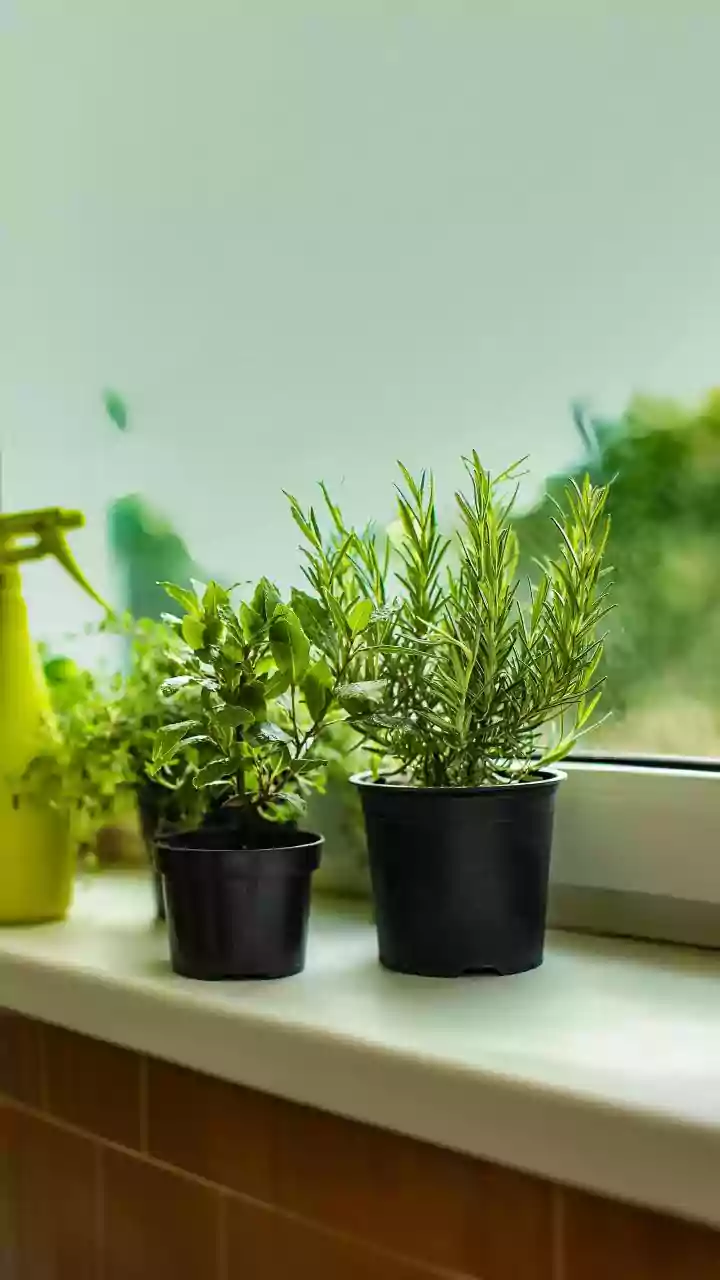
Before you convert your spare room into a high-tech farm, it’s worth considering what you want to grow. Soilless systems excel at producing leafy greens (lettuce, kale, spinach), herbs (basil, mint, cilantro), and vining plants like tomatoes and strawberries. Root vegetables like carrots and potatoes are, for obvious reasons, not a good fit. If your dream is a constant supply of fresh salad and herbs, a hydroponic setup could be a game-changer. If you’re dreaming of digging up your own potatoes, you’ll still need a patch of dirt. The beauty of the current market is its scalability. You don't have to commit to a massive installation. You can start with a small, self-contained unit to grow herbs on your windowsill to see if you enjoy the process. These starter kits are designed for beginners and can be a fantastic way to dip your toes in the water—literally.