

So, What Exactly Are Sabja Seeds?
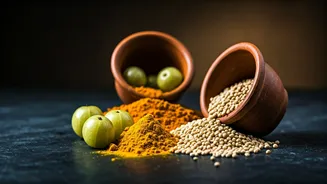
First things first, let's clear up the name game. Sabja seeds are also known as sweet basil seeds or tukmaria. And no, they don’t come from the same basil plant you use to make pesto. These tiny black seeds are harvested from sweet basil, *Ocimum basilicum*,
a cousin to the Genovese basil common in Italian cooking. When dry, they look like smaller, darker sesame seeds. But their magic happens when you add water. Unlike many other seeds, sabja seeds swell up almost instantly, forming a translucent, gelatinous coating around a crunchy center. This unique property is central to their growing reputation and has made them a staple in South and Southeast Asian drinks and desserts for centuries, most famously in the layered sweet drink, falooda.
The Hydration Claim Explained
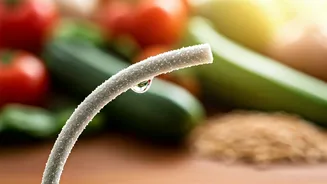
The term "hydration flex" is actually pretty accurate. Sabja seeds don't contain water themselves, but they are hydrophilic, meaning they love water. They can absorb up to 30 times their weight in liquid, creating that signature gel. When you consume them, this gel doesn't just pass right through you. Instead, it’s thought to create a kind of internal, slow-release water source. As your body digests the seeds, the water held in the gel is gradually released, which may help you stay hydrated for longer. Think of it less as drinking more water and more as making the water you *do* drink work more efficiently. It’s a fantastic way to enhance your regular water intake, especially on hot days or after a workout, turning a simple glass of H2O into a more sustained source of hydration.
Sabja vs. Chia: The Seed Showdown
If this all sounds familiar, you’re probably thinking of chia seeds. While they operate on a similar gel-forming principle, there are key differences. Sabja seeds plump up much faster than chia seeds—we’re talking seconds versus minutes. Aesthetically, sabja seeds form a distinct orb with a black dot in the center, while chia seeds create a more uniform, tapioca-like gel. Nutritionally, they're both powerhouses. Both are excellent sources of fiber, which is great for digestive health and feeling full. Sabja seeds often have a slight edge in iron content, while chia seeds are famously rich in omega-3 fatty acids. Neither has a strong flavor, making them both versatile additions to your diet. The main takeaway? They aren’t interchangeable, but they are both fantastic options. If you want instant gel for a drink, grab sabja. If you’re making an overnight pudding, chia is still your go-to.
More Than Just a Hydration Hack
While the hydration benefit is the star of the show, sabja seeds bring more to the table. Their most significant contribution is dietary fiber. A single tablespoon can provide a substantial portion of your daily fiber needs, promoting gut health and creating a feeling of satiety that can help with appetite management. In Ayurvedic tradition, these seeds are prized for their cooling effect on the body, which is why they are so popular in beverages served in hot climates. They are also a source of plant-based minerals like iron, calcium, and magnesium, which are crucial for energy and bone health. While they aren’t a magic pill for nutrition, they are a simple, effective way to add a functional boost to your daily routine.
How to Actually Use Them
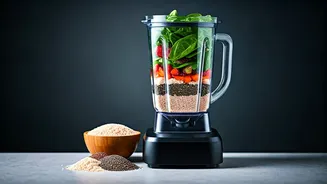
Getting started with sabja seeds is incredibly easy, but there's one non-negotiable rule: you *must* soak them before eating. Consuming them dry is a choking hazard, as they will expand rapidly in your esophagus. To prepare them, simply stir a teaspoon or two into a glass of water, lemonade, or iced tea and wait about 15-20 minutes for them to fully bloom. They'll become soft and gelatinous, ready to drink. From there, the possibilities are endless. Stir them into yogurt or oatmeal for a fiber boost, blend them into smoothies for a thicker texture, or add them to coconut milk with a bit of mango for a simple, dessert-like treat. Their neutral taste means they won’t overpower other flavors, making them an easy and fun ingredient to experiment with.